The best office snack ideas are not simply about filling shelves with as many products as possible. A useful workplace snack setup should make it easy for employees to find something that fits the time of day, the length of their break, and what they need at that moment.
For Norwalk workplaces considering a micro market, product variety can play an important role in how useful the space feels. A thoughtful mix of familiar snacks, refrigerated items, beverages, and grab-and-go choices can give employees more flexibility than relying on one type of refreshment.
The right selection will vary from one workplace to another, so planning should begin with the people who will actually use the break room.
Start With the Way Employees Use the Break Room
Before choosing specific break room snacks, it helps to understand when and why employees visit the space. Some people may stop in for a quick snack between meetings, while others may use the break room during a longer lunch period. Early arrivals, afternoon breaks, and employees working different schedules can also create different refreshment needs.
A Norwalk workplace does not necessarily need the largest possible selection. It needs a practical mix that reflects normal employee routines. Looking at break times, workplace size, available refrigeration, and existing coffee or beverage options can make it easier to determine which products deserve the most space.
Include Familiar Everyday Snack Choices
Familiar products can provide a useful foundation for a workplace snack selection. Employees often want choices they can recognize quickly when they only have a short break. Crackers, chips, pretzels, snack bars, cookies, nuts, and similar packaged items can all fit within a broader micro market assortment depending on workplace preferences and available space.
The goal is not to make every shelf identical. Different product types can provide enough variety for employees who want something savory, something sweet, or simply a quick snack between meals. Product selection can then be adjusted over time according to what works well for the location.
Make Room for Grab-and-Go Snacks
Grab-and-go snacks can be especially practical in workplaces where employees do not always have time for a full meal. Portable items can be easier to pick up during a short break, carry back to another area, or purchase between other parts of the workday.
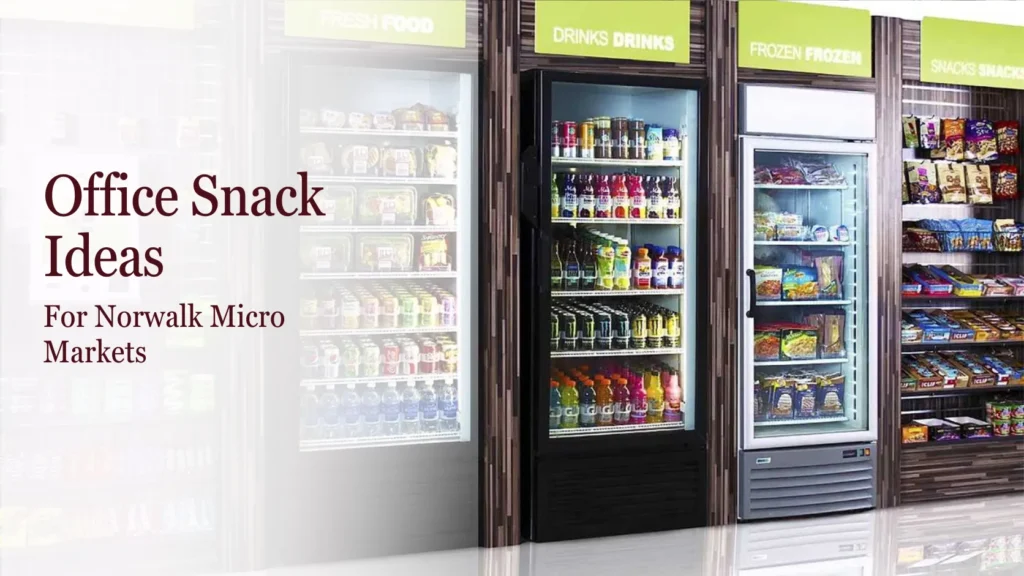
A well-planned office micro market can create more room for these choices by combining shelving and refrigeration within an open self-service environment. Businesses exploring this type of setup can also review our complete guide to office micro markets for Connecticut workplaces. Depending on the setup, that can allow packaged snacks to sit alongside chilled products and beverages rather than limiting the selection to one machine format.
The most useful grab-and-go assortment is one that fits normal workplace routines instead of following a generic product list.
Balance Sweet, Savory, and Lighter Choices
One simple way to improve office snack ideas is to avoid allowing a single product type to dominate the entire break room. If every option is sweet, employees looking for something savory have little choice. The same problem occurs when the assortment is made up almost entirely of salty snacks.
A more balanced setup can include different flavor profiles, portion sizes, and product formats. Some employees may want a small treat, while others may prefer nuts, snack bars, crackers, refrigerated items, or another quick option.
The specific mix should reflect actual workplace use rather than assumptions about what every employee wants.
Think Beyond Snacks Alone
Office food ideas can also include products that serve different parts of the workday. A micro market may have room for more than traditional packaged snacks, depending on its size, refrigeration, and service configuration. Chilled grab-and-go products and beverages can give employees additional choices when they need something more substantial than a small snack.
This broader approach can make the break room more useful across morning, midday, and afternoon periods. Businesses looking to improve the overall employee experience can also consider how workplace amenities support daily convenience. It also allows employers to think about refreshments as one connected offering instead of treating snacks, drinks, and refrigerated food as completely separate workplace features.
Available product categories will depend on the specific market setup.
Pair Snacks With Useful Beverage Choices
Snacks and beverages are often used together, so planning them separately can make a break room feel less coordinated. Cold drinks can complement packaged and refrigerated food, while coffee can serve another part of the employee routine.
A workplace with an existing coffee area may want snack choices positioned so employees can easily move between the two. Other locations may benefit from considering beverage access as part of the overall refreshment plan rather than placing separate stations throughout the room.
The purpose is to make the space intuitive. Employees should be able to see what is available and move through the area without unnecessary clutter.
Use Snack Station Ideas That Keep the Space Organized
Good snack station ideas are not only about products. Shelf organization, product visibility, and the amount of room employees have to browse can all affect how practical the area feels. Businesses planning a complete setup can also review micro market vending considerations related to layout, product selection, and employee access.
Groupings can make the selection easier to understand. Packaged snacks can occupy one part of the area, beverages another, and refrigerated products another when the equipment allows. An overcrowded display can make a large selection feel less convenient, while too much unused space may make the market look incomplete.
Employers should also consider traffic flow. The checkout area, refrigeration, and shelving should work together without making the break room difficult to move through.
Consider Office Pantry Service for Employer-Provided Snacks
Not every workplace wants employees to purchase their own snacks. Some employers prefer to provide selected items as an office perk. In that case, an office pantry service may be worth considering alongside or instead of a traditional retail-style snack setup.
A pantry program can make employer-funded snacks and beverages available in a shared workplace area. The product mix, available space, and budget can help shape the program.
This is a different model from a micro market, so Norwalk employers should first decide whether they want employee-purchased refreshments, employer-provided products, or a combination of workplace refreshment services.
Review Workplace Snack Options Regularly
Workplace snack options do not have to remain the same indefinitely. Employee use can provide useful information about which products fit the location and which ones receive less interest. Seasonal preferences, changes in staffing, and different workplace schedules can also affect how the break room is used.
A refreshment area should therefore be viewed as an ongoing part of the workplace rather than a one-time design decision. Reviewing what employees actually select can help keep the assortment relevant.
This does not mean making constant changes. It means paying attention to real use rather than continuing with a product mix simply because it was part of the original setup.
Avoid Turning Variety Into Clutter
More products do not automatically create a better micro market. When too many similar choices compete for limited shelf and refrigerator space, employees may find the area harder to browse rather than more useful.
Norwalk employers should think about variety in terms of different categories rather than sheer quantity. A smaller but well-rounded mix of sweet snacks, savory items, beverages, refrigerated choices, and grab-and-go products can sometimes make better use of the available footprint.
Space should also be left for clear product presentation and comfortable movement around the market. Thoughtful employee break room ideas can help businesses create a refreshment area that feels organized and easy to use. The strongest setup balances selection with the practical limitations of the break room.
Match the Snack Mix to the Workplace
A small professional office may use refreshments differently from a larger workplace with more employees moving through the break room throughout the day. For that reason, the same snack list should not automatically be copied from one location to another.
Employee schedules, workplace size, available refrigeration, nearby food access, and existing refreshment services can all influence the right mix. A location with a strong coffee program may prioritize complementary snacks, while another workplace may place greater emphasis on refrigerated products and quick midday choices.
These details help turn general office snack ideas into a selection that fits the actual workplace.
Planning Better Break Room Snacks for a Norwalk Team
A useful snack program begins with understanding the workplace rather than choosing products in isolation. Employers can review when employees take breaks, how much room is available, which refreshment services already exist, and whether the team needs quick snacks, chilled food, beverages, or a broader combination of choices.
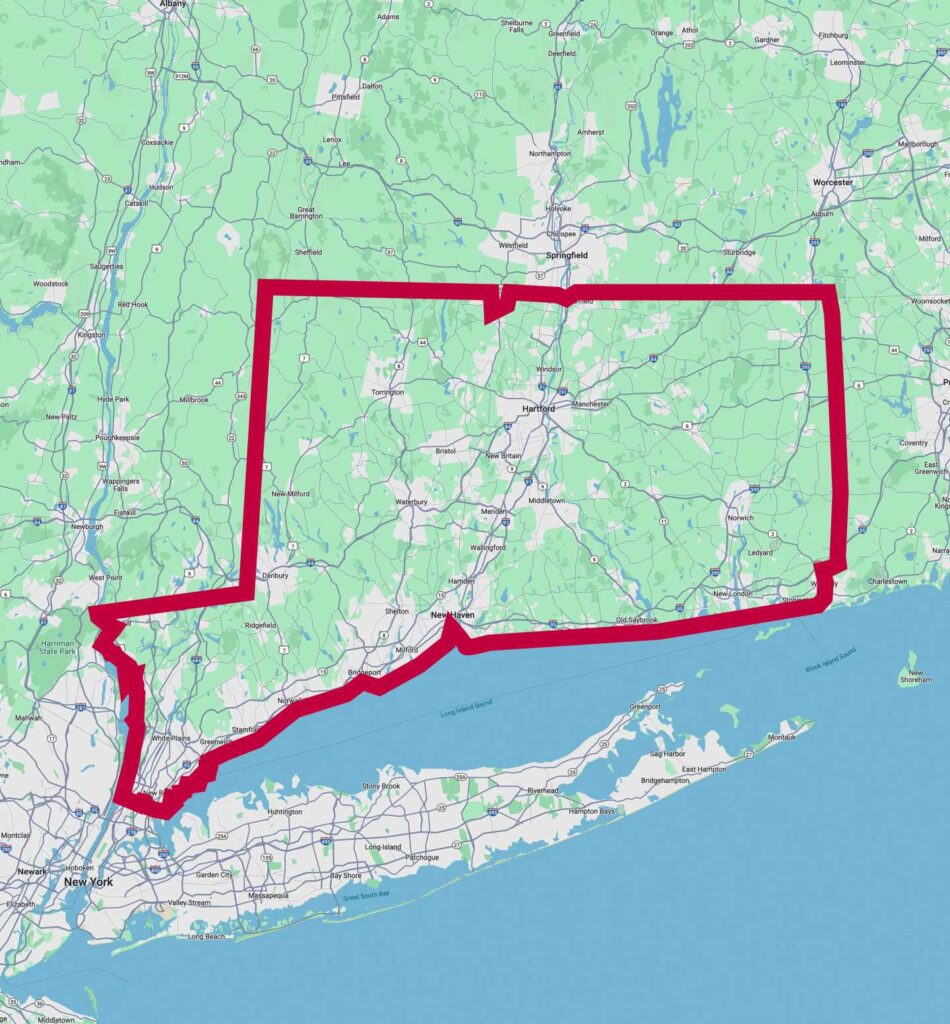
Berkshire Food provides workplace refreshment services across Connecticut and Upper Westchester County, NY, including micro markets, vending, coffee, water, pantry service, and Smart Coolers. Norwalk businesses looking for workplace refreshment services in Norwalk, CT can explore solutions such as micro markets, vending, coffee, water, pantry service, and Smart Coolers based on their workplace needs.
Frequently Asked Questions
A practical selection can include a mix of sweet and savory packaged snacks, snack bars, crackers, nuts, beverages, and refrigerated grab-and-go choices where the setup allows. The best assortment depends on employee preferences, available space, and how the break room is used.
There is no single number that works for every workplace. Enough variety should be available to provide different types of choices without overcrowding shelves or refrigeration. Workplace size, employee traffic, and available market space should help guide the assortment.
Grab-and-go options generally work best when they are easy to select and convenient to use during a normal break. Packaged snacks, snack bars, crackers, nuts, and suitable refrigerated items can all be considered depending on the market setup.
Products can be grouped by type so employees can quickly understand the selection. Packaged snacks, cold beverages, refrigerated food, and checkout areas should be arranged according to the available space and normal employee traffic through the break room.
Offering different product types can give employees more choice. Rather than focusing heavily on one category, workplaces can consider sweet, savory, and other snack formats based on employee preferences and actual product use.
A micro market generally operates as a self-service retail environment where employees select and purchase refreshments. An office pantry is typically an employer-funded program in which selected snacks and beverages are provided for employees.
Yes. Beverages can be planned alongside snacks and other food choices. Depending on the workplace, this may include refrigerated drinks, coffee service, water service, or a combination of refreshment options.
Start with practical information such as employee count, break schedules, available space, refrigeration, existing refreshment services, and the types of products employees are likely to use. The selection can then be reviewed based on actual workplace use.