
Coffee may be the first beverage people think about when planning a workplace break room, but not every employee wants another cup of coffee. Some prefer a traditional black tea in the morning, green tea during an afternoon break, or a caffeine-free herbal infusion after lunch. A workplace that offers only coffee can easily overlook these preferences.
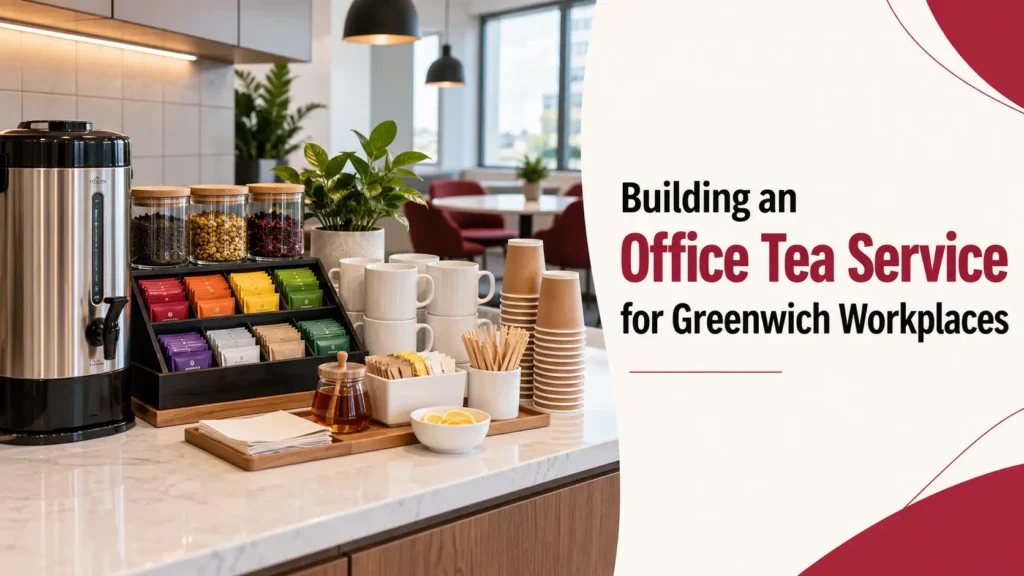
For Greenwich businesses, an organized office tea service is a practical way to offer employees and visitors more beverage choices without creating a complicated refreshment program. A thoughtfully designed tea station can fit inside an existing coffee area, serve employees throughout the day, and make meetings and guest hospitality more convenient.
The challenge is making that station work consistently. Choosing a few tea boxes is easy. Selecting the right equipment, keeping office tea supplies organized, controlling costs, and ensuring products remain available require more planning.
This guide explains how Greenwich workplaces can build a tea service around real employee preferences, available space, and day-to-day break room management.
Why Office Tea Service Deserves a Place in Greenwich Break Rooms
A well-equipped workplace beverage station should reflect the people using it. Employees have different routines, tastes, and caffeine preferences, which makes offering more than one type of hot beverage a practical choice.
For a Greenwich professional office, a tea station might serve employees during morning meetings, provide refreshments for visiting clients, or support an afternoon break. In a healthcare or administrative setting, convenient tea access may be especially useful for teams with limited opportunities to leave the building.
More Beverage Choices Without Complicating the Break Room
A tea station does not need to compete with an existing coffee service. The two can share counter space, hot-water equipment, cups, sweeteners, and storage. Businesses can begin with a small selection and expand once they understand actual employee demand.
This is particularly useful for workplaces with a mixture of regular office staff, hybrid employees, and occasional visitors. A compact setup can serve different needs without requiring a separate beverage area or an extensive inventory.
The key is offering meaningful variety rather than filling the break room with products that employees rarely choose.
A Practical Addition to Employee and Guest Hospitality
Tea can also serve an important hospitality function. Providing a choice between coffee, black tea, green tea, and herbal alternatives allows visitors to select something familiar without making a special request.
For client-facing workplaces, the presentation matters as much as the selection. Clearly labeled tea varieties, clean cups, convenient access to hot water, and an organized counter help create a more welcoming experience.
These details do not require an elaborate beverage bar. A clean, reliable station that people can use independently is usually more valuable than an impressive-looking setup that is difficult to maintain.
What Should an Office Tea Service Include?
An effective office tea service consists of three connected elements: an appropriate selection of teas, dependable hot-water equipment, and the everyday supplies needed to prepare and serve each beverage.
All three should be planned together. Premium tea will not improve the experience if hot water is difficult to access, and a sophisticated dispenser provides little value if cups or tea bags are frequently missing.
A Balanced Selection of Tea Varieties
The right assortment depends on employee preferences, but most offices can begin with familiar options rather than an extensive specialty collection.
Black tea is a useful foundation because employees may prefer it as a morning beverage or a coffee alternative. Green tea adds another traditional option with a different flavor profile. Herbal infusions can accommodate people who want a hot drink without traditional tea’s caffeine.
Some workplaces may also appreciate specialty flavors such as Earl Grey, peppermint, chai, chamomile, or lemon ginger.
Offering multiple options is helpful, but selection should remain manageable. Six well-chosen varieties that employees regularly enjoy are generally more practical than twenty varieties that sit unused.
Essential Office Tea Supplies
A complete tea station needs more than tea bags. Employees should have access to the same basic conveniences they expect from a well-managed coffee area.
An initial office tea supplies checklist can be planned alongside other essential break room supplies and may include:
- Assorted black, green, and herbal tea bags
- Reliable hot-water equipment
- Heat-safe cups or mugs
- Cup lids for employees taking beverages away from the station
- Sweeteners, sugar, and suitable alternatives
- Stir sticks or reusable spoons
- Milk and non-dairy options where appropriate
- Napkins and a convenient waste container
- Tea organizers, labeled containers, or drawer dividers
- Cleaning supplies and a designated restocking area
Not every office needs every item. For example, a workplace using reusable mugs may have very different paper-supply needs from an office that regularly serves visitors. The objective is to make preparation easy without adding unnecessary products or storage requirements.
Dependable Hot-Water Access
Hot-water availability is often the most overlooked part of planning tea for office use. A shared kettle may work for a small team, but it can become inconvenient when several employees want tea at the same time. A larger workplace may benefit from a dedicated hot-water dispenser or suitable office beverage equipment that supports repeated use throughout the day.
Equipment should be selected based on daily demand, counter space, electrical requirements, cleaning needs, and ease of operation. Workplace managers should also consider whether the station will serve occasional tea drinkers or function as a major beverage point.
Choosing the Best Tea Varieties for Your Office
A useful tea menu should balance familiar flavors with enough variety to accommodate different preferences. Rather than choosing products solely because they look premium, consider when employees are most likely to drink them and how they fit into the workday.
| Tea Type | Typical Appeal | Office Planning Consideration |
|---|---|---|
| Black Tea | Familiar, bold morning beverage | Useful core selection with caffeine |
| Green Tea | Lighter flavor and traditional tea option | Some varieties benefit from cooler brewing water |
| Earl Grey | Distinctive citrus-flavored black tea | Popular specialty alternative |
| Chai | Spiced, aromatic flavor | Consider both plain and milk-based serving preferences |
| Peppermint | Refreshing herbal infusion | Typically caffeine-free |
| Chamomile | Mild, floral herbal infusion | Typically caffeine-free |
| Lemon Ginger | Bright, warming herbal flavor | Useful nontraditional option |
Consider Caffeine Preferences
Traditional black, green, white, and oolong teas are produced from the tea plant and naturally contain caffeine, although amounts vary by product and preparation. Many herbal infusions, including common peppermint and chamomile blends, do not contain traditional tea leaves and are typically caffeine-free. However, employees should check packaging because some blended products include caffeinated ingredients.
Clear labeling makes the station easier to use. An employee looking for a caffeine-free drink should not have to guess which option is suitable.
Balance Everyday Favorites With Specialty Choices
Start by giving familiar teas the most space. If employees consistently choose breakfast tea, green tea, and peppermint, those products should be easier to find and available in appropriate quantities.
Specialty options can add interest without dominating the supply budget. Rotating one or two flavors periodically allows employees to try something different while keeping inventory manageable.
A Greenwich workplace with frequent client meetings might prioritize a well-presented variety of traditional and herbal teas. A smaller internal office may discover that employees prefer a simpler selection with larger quantities of their favorites.
The best assortment follows actual use rather than assumptions about what a premium tea station should contain.
Designing a Tea Station That Employees Will Actually Use
A successful tea station should feel like a natural part of the workplace, not an extra project that someone has to manage every day. Before purchasing equipment or supplies, consider where the station will be located and how employees move through the space during breaks.
Choose a Convenient Location
If your office already has a coffee counter, expanding that area may be the simplest approach. Employees are familiar with the location, and shared amenities such as sinks, trash containers, and cup storage may already exist.
In larger workplaces, a second compact station near conference rooms or another frequently used area may reduce unnecessary trips to a central break room.
Location should be based on access and practicality. Avoid placing the station where employees must cross busy work areas, interrupt meetings, or crowd around a narrow counter.
Organize the Station Around Preparation Steps
An efficient layout follows the order in which someone makes tea: choose a cup, select a tea bag, access hot water, add sweeteners or milk, and dispose of packaging. Keeping these items together reduces searching and unnecessary movement. It also makes the station easier for visitors to understand without assistance.
Store frequently used teas at the front, keep accessories within reach, and avoid placing unpackaged items where spills are likely. If dairy products are available, provide suitable refrigeration rather than leaving them on the counter for extended periods.
A small amount of additional counter space is helpful during busy periods, particularly when multiple employees are preparing drinks.
Select Equipment Based on Office Size
Smaller Greenwich offices may only need a suitable electric kettle or compact hot-water appliance, especially when tea consumption is occasional. Teams with steady demand may find that a larger-capacity dispenser reduces waiting and repeated refilling.
For workplaces with frequent meetings, a dedicated hot-water system can also simplify beverage preparation for several people at once. The equipment decision should account for installation requirements, water access, capacity, temperature settings, manufacturer cleaning instructions, and workplace safety procedures.
Tea preparation matters, too. Different products have different recommended brewing temperatures and times. Following the package instructions helps avoid overly bitter green tea or weak black tea.
Make Accessibility and Safety Part of the Layout
Employees should be able to reach supplies comfortably without navigating obstacles, awkward shelving, or crowded equipment. Choose stable counter surfaces, use clear labels, keep electrical cords out of walkways, and position hot-water equipment where it can be operated safely. A drip tray and nearby cleaning materials can help address routine spills.
A tea station that is simple to understand and easy to maintain is more likely to become part of the workplace’s daily routine.
How Much Does an Office Tea Station Cost?
Office tea service costs vary depending on team size, beverage consumption, product selection, equipment, and the amount of service support required. A small office using an existing hot-water source will have different expenses from a larger workplace installing dedicated equipment and offering a broader menu.
Identify One-Time Setup Costs
Initial costs may include hot-water equipment, storage organizers, cup dispensers, shelving, and other accessories. Businesses should also review whether electrical improvements, additional counter space, or plumbing access are necessary. These requirements depend on the equipment selected and should be considered before installation.
There is no need to purchase the most elaborate setup immediately. Starting with an appropriate system and upgrading when demand supports it can prevent unnecessary spending.
Calculate Recurring Supply Costs
Ongoing costs are influenced by tea consumption, product quality, milk, sweeteners, disposable supplies, and delivery or service arrangements. For example, an office with 40 employees where 15 people drink one cup of tea on a typical workday could expect approximately 300 servings over a 20-day work month.
This is a planning illustration, not a prediction. Actual consumption may vary considerably by office schedule, attendance, and employee preferences.
A simple cost-per-serving calculation helps managers understand the budget:
Monthly tea and related supply costs ÷ total servings consumed = estimated cost per serving
Include consumables such as cups and sweeteners if they are part of the company-paid program. Equipment, maintenance, or service charges can be tracked separately or included when estimating the overall program cost.
Decide Who Pays for the Tea
Many offices choose to provide tea as a complimentary employee amenity. This is relatively straightforward when the station uses tea bags, shared hot water, and a modest selection of accessories. Other workplaces may incorporate tea into a broader beverage program with separate policies for complimentary and employee-paid products. The right arrangement depends on company culture, budget, and the type of refreshments already available.
Clear expectations help prevent confusion. Employees should know which products are provided by the business and whether any specialty beverages have a separate cost.
Managing Tea Supplies, Inventory, and Restocking
Launching a station is only the beginning. Keeping it organized and consistently stocked determines whether employees continue using it. Office tea supplies can be relatively simple to manage, but shortages often happen when no one has a clear understanding of usage or ordering responsibilities.
Track Usage Instead of Guessing
During the first month, monitor which teas disappear quickly and which remain mostly untouched. This information can guide the next order and prevent overbuying. Consumption should also be reviewed in the context of office attendance. A hybrid workplace may use considerably more tea on certain weekdays. A client-facing office may experience higher demand during meetings or scheduled events.
Do not assume that every employee will drink tea every day. Use actual consumption patterns to establish realistic minimum quantities.
Create a Simple Restocking Routine
A reliable restocking process should define when supplies are checked, who identifies shortages, and how orders are placed. Tea boxes, cups, sweeteners, and other nonperishable products can usually be stored in a designated cabinet or pantry area. Products with shorter shelf lives, such as milk, need separate handling and appropriate refrigeration.
Rotating older stock forward, checking expiration dates, and keeping opened products in suitable storage can reduce waste.
Where employees regularly use both tea and coffee, it may be more efficient to review beverage supplies together rather than operate two completely separate ordering systems.
Establish Cleaning Responsibilities
Daily use creates small but predictable maintenance needs, making clear office kitchen etiquette useful for keeping shared tea stations clean and organized. Counters become wet, used tea bags accumulate, and shared equipment needs routine attention. Set clear responsibilities for wiping surfaces, emptying waste containers, cleaning drip trays, and maintaining equipment according to manufacturer instructions.
A designated workplace contact or refreshment service provider can help coordinate these tasks, depending on the service arrangement. The goal is to prevent small maintenance issues from making the station unpleasant or inconvenient to use.
Should Greenwich Businesses Manage Tea Service In-House or Use a Provider?
An office can manage a basic tea station internally, particularly when employee count is small and consumption is limited. However, as more people rely on the station, workplace managers may find themselves ordering products, checking inventory, maintaining equipment, and responding to supply shortages more often than expected.
A managed refreshment arrangement can help simplify the process by bringing beverage products and supplies into an established ordering and service routine.
Combine Tea With an Existing Coffee Program
For many workplaces, tea service works best as part of a broader hot beverage setup. Rather than maintaining separate equipment and procurement systems, businesses can discuss tea selections, hot-water needs, cups, and accessories while planning their office coffee service.
Berkshire Food provides workplace coffee programs in Connecticut that can include tea and related beverage supplies, depending on the arrangement.
This approach is especially practical for offices where some employees prefer coffee and others choose tea. Both groups can use the same organized beverage area, while purchasing and service responsibilities remain easier to coordinate.
Add Tea to a Broader Pantry Program
Some businesses prefer to include tea in a larger selection of employer-provided refreshments. A workplace that already offers snacks, bottled beverages, and break room essentials may find it convenient to incorporate tea and accessories into an office pantry service.
Berkshire Food’s pantry programs are designed around individual workplace needs, with product stocking and replenishment support. This option can be useful when an office manager wants to reduce separate supply orders and create a more consistent employee refreshment experience.
Consider Greenwich Workplace Requirements
Not every Greenwich business has the same space, team structure, or refreshment budget. A small professional office may prefer a compact tea station beside its existing coffee machine. A larger workplace may need more capacity, additional storage, and an organized delivery schedule. A medical or customer-facing setting may place greater importance on convenient access and a consistently presentable beverage area.
Businesses evaluating workplace refreshment services in Greenwich should consider how tea fits with their existing coffee, water, pantry, and employee break room arrangements. Choosing a provider is not simply about finding a tea supplier. It is about selecting a practical system that matches the workplace and can be maintained over time.
Building a Tea Station as Part of a Complete Break Room
Tea service is most effective when it complements the refreshments employees already use. For example, an office could pair a tea assortment with regular coffee, filtered water, and light pantry snacks. Employees would then have several convenient choices depending on the time of day, their preferences, and the type of break they want.
This broader approach is consistent with the planning principles behind a well-managed break room refreshment program, where beverage and food options are selected around the actual needs of the workplace rather than added without a clear plan.
Think About the Entire Beverage Experience
A tea station may share supplies and space with coffee service, but it also creates requirements of its own. For example, black and green teas may require different brewing conditions. Herbal infusions should be clearly identified, and hot-water capacity should be sufficient when several employees use the station during the same break.
When reviewing office water dispenser options, businesses should also consider the water source used for tea and other hot beverages. Water quality and equipment maintenance can influence taste and employee satisfaction. The goal is a coordinated beverage area that feels simple for employees, even if several products and systems operate behind the scenes.
Keep the Program Flexible
Workplace preferences change over time. New employees may request different flavors, office attendance may increase, and meeting schedules can affect consumption. Reviewing the tea selection every few months allows businesses to respond without rebuilding the entire station. A flexible program may begin with basic varieties, introduce specialty options when demand supports them, and adjust supply quantities as usage becomes more predictable. That is generally more sustainable than committing to a large assortment from the beginning.
A Practical 30-Day Plan for Launching an Office Tea Service
A gradual rollout can help Greenwich workplaces avoid unnecessary purchases and identify employee preferences before establishing a long-term budget.
Week 1: Assess Employee Preferences
Start with a short employee survey or an informal discussion. Ask whether employees drink tea, which varieties they prefer, and how often they would use an office station. Review the available counter space and existing equipment. Determine whether hot water, cups, and storage can be shared with the coffee area.
At this stage, the most important decision is the size of the initial program.
Week 2: Select Products and Prepare the Station
Choose a manageable tea assortment that includes traditional caffeinated varieties and suitable herbal alternatives. Organize the preparation area, label supplies, establish a cleaning process, and confirm that the hot-water equipment can handle expected usage.
Before launch, make sure employees can find cups, sweeteners, and waste containers without searching through multiple cabinets.
Week 3: Launch and Observe
Introduce the tea station to employees and explain where supplies are located. Monitor demand during morning and afternoon periods. Note whether people have difficulty using the equipment or whether certain products run out faster than expected.
Employee comments during the first week can reveal issues that would be difficult to predict during planning.
Week 4: Adjust the Program
Review actual consumption and compare it with the initial budget. Increase quantities for popular teas, reconsider underused flavors, and identify any supply items that need a more consistent restocking schedule. If the station is receiving regular use, establish an ongoing ordering and maintenance arrangement that does not depend on last-minute shopping trips.
After the first month, the workplace should have a much clearer idea of what the tea station needs to operate efficiently.
Common Office Tea Station Mistakes to Avoid
One common mistake is buying too many tea varieties before understanding employee demand. An extensive menu may look appealing initially, but it can create unnecessary inventory and make popular options harder to identify. Another issue is inadequate hot-water capacity. A kettle that works well for two employees may become frustrating when an entire department takes a break at the same time. Matching equipment to expected traffic is essential.
Businesses also sometimes overlook basic supplies. Missing cups, empty sweetener containers, and poorly organized tea boxes can discourage employees from using the station even when the tea selection itself is excellent. Finally, avoid treating the station as a one-time installation. Regular cleaning, product rotation, feedback, and restocking are what turn a simple collection of tea products into a dependable workplace amenity.
Make Office Tea Service Part of a Better Greenwich Workday
Building an office tea service does not require an elaborate beverage bar or a large initial investment. It requires an understanding of employee preferences, appropriate equipment, useful product variety, and a practical plan for supplies and maintenance.
For Greenwich workplaces, a well-organized tea station can complement existing coffee and pantry services, provide more choices during breaks, and create a welcoming beverage experience for employees and guests.
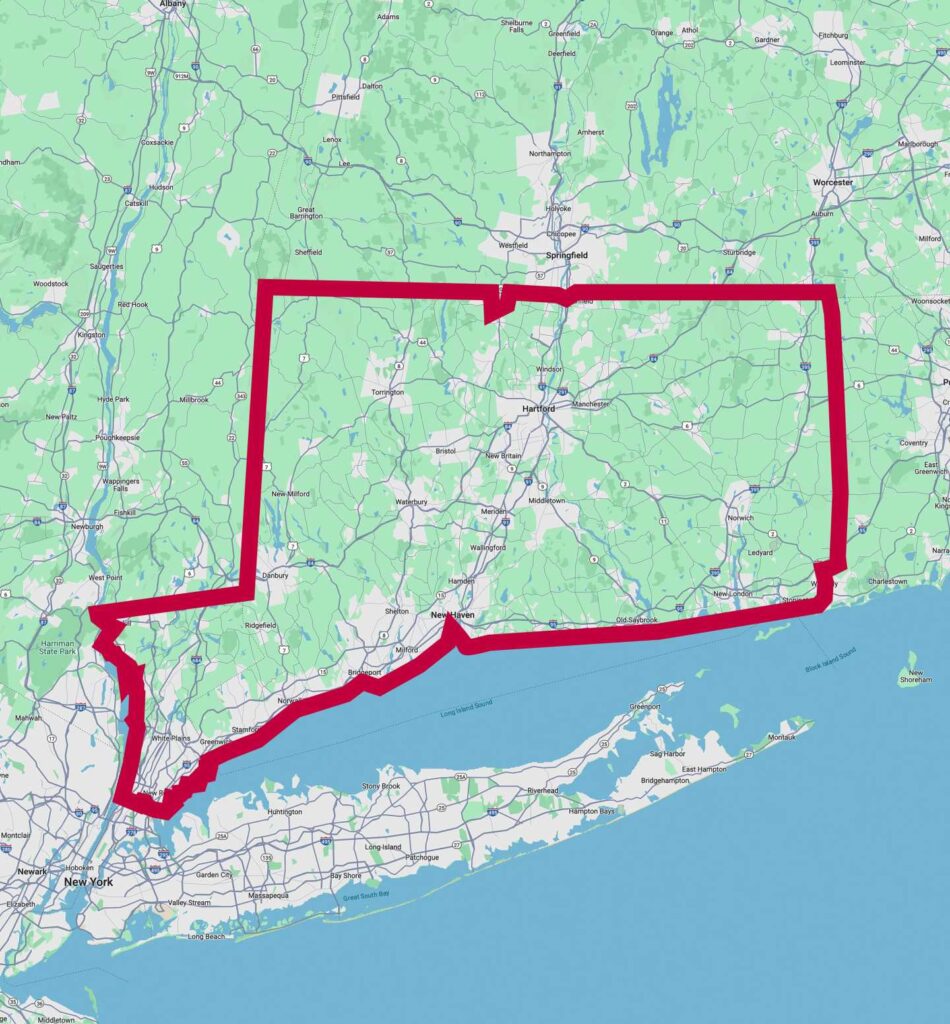
Berkshire Food has supported workplace refreshment needs across Connecticut and Upper Westchester County, NY, since 1964. Businesses looking to improve their beverage setup can discuss how tea selections, coffee service, and related break room supplies might fit into a customized refreshment program.
Ready to improve your workplace beverage station? Contact Berkshire Food to discuss tea, coffee, and refreshment options for your Greenwich business.
Frequently Asked Questions
An office tea service provides tea varieties, hot water, cups, sweeteners, and other essentials for employees and visitors. It can operate independently or as part of a workplace refreshment program.
Offices should offer black tea, green tea, and caffeine-free herbal options like peppermint and chamomile. Specialty blends such as Earl Grey or chai can be added based on employee preferences.
A basic tea station needs a reliable hot-water dispenser or kettle, heat-safe cups, tea organizers, and serving supplies. Larger offices may require higher-capacity equipment to accommodate employee demand.
Yes. Office tea service can complement an existing coffee program by sharing hot-water equipment, cups, and accessories. Businesses should confirm available tea selections and supply arrangements with their provider.
Restocking frequency depends on employee count, daily consumption, and storage capacity. Monitoring tea usage helps businesses maintain consistent availability while avoiding unnecessary inventory and product waste.
Yes. Small Greenwich offices can create a compact tea station using basic hot-water equipment, popular tea varieties, and essential supplies without requiring extensive counter space or additional infrastructure.
Businesses can reduce waste by tracking consumption, ordering appropriate quantities, rotating older inventory, and avoiding unpopular varieties. Reusable mugs can also help reduce disposable cup usage.
Yes. Berkshire Food serves Greenwich workplaces with customized refreshment solutions, including coffee and pantry services. Businesses can contact the team to discuss tea selections, beverage equipment, and available supply arrangements.