
A workplace break room is no longer just a place with a few vending machines, a microwave, and a coffee pot. For many businesses, it has become an important part of the employee experience. People want convenient access to fresh food, snacks, beverages, and better choices during the workday without having to leave the building. That is where an office micro market can make a real difference.
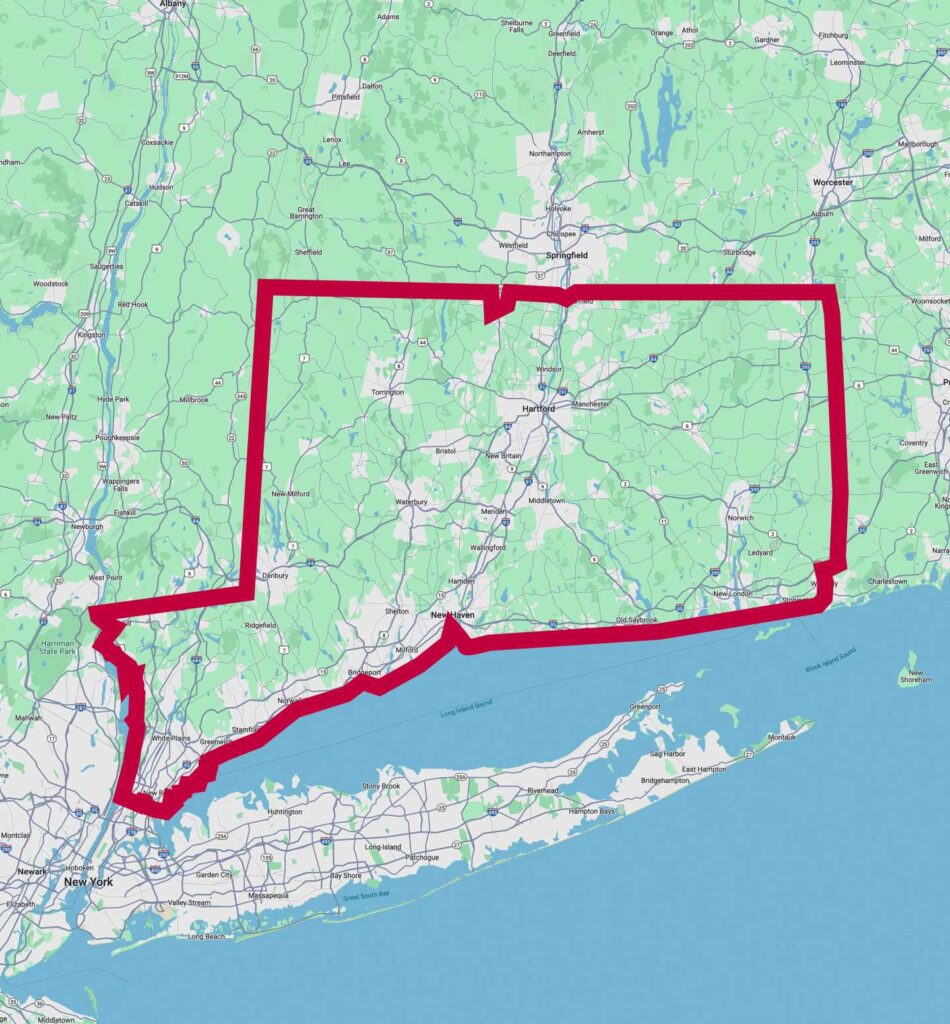
For businesses in Connecticut and Upper Westchester County, an office micro market offers a modern way to upgrade the break room. It gives employees access to fresh meals, cold drinks, healthier snacks, grab-and-go options, and everyday favorites in a self-service setup. Employees can browse open shelves and coolers, choose what they want, and pay through a simple self-checkout system.
This guide explains what an office micro market is, how it works, who it is best for, and what Connecticut employers should know before adding one to their workplace.
What Is an Office Micro Market?
A modern self-service break room market
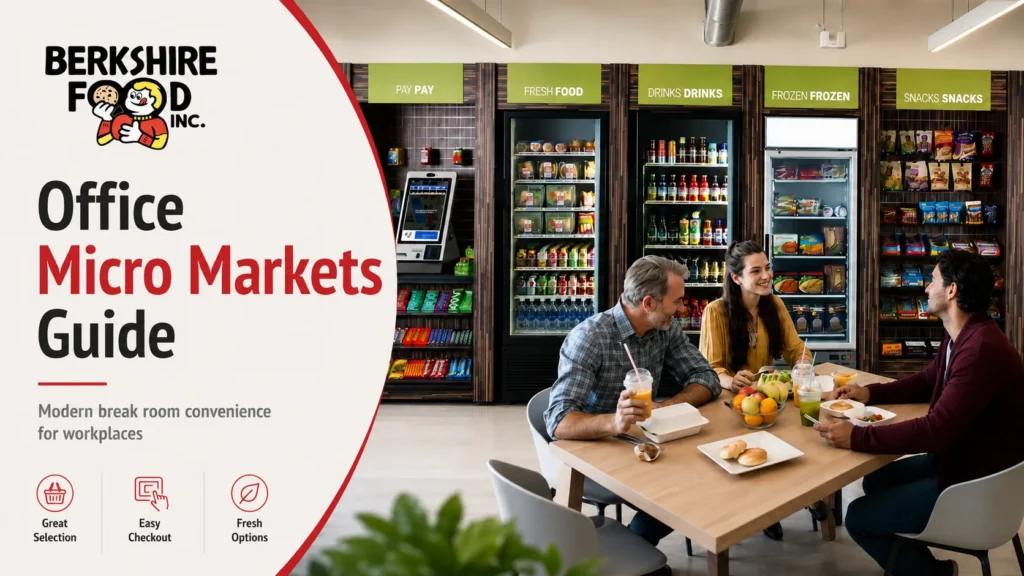
An office micro market is a small, self-service food and beverage market placed inside a workplace. It usually includes open shelving, refrigerated coolers, fresh food displays, snacks, beverages, and a self-checkout kiosk or cashless payment system. Think of it as a small convenience store built directly into your employee break room.
Unlike a traditional vending setup, where products are locked inside machines, a micro market allows employees to browse products openly. They can pick up a sandwich, salad, protein bar, sparkling water, coffee drink, fruit cup, or snack, then scan and pay for the items themselves.
A typical office micro market may include:
- Fresh meals and grab-and-go lunches
- Sandwiches, wraps, salads, and fruit
- Cold beverages, water, juices, and energy drinks
- Healthy snacks and popular favorites
- Protein bars, chips, candy, and packaged snacks
- Open shelves and refrigerated coolers
- Cashless self-checkout technology
- Regular restocking and service support
For employers, this creates a better break room experience without requiring internal staff to manage food and beverage inventory every day.
How Does an Office Micro Market Work?
The basic shop, scan, and pay process
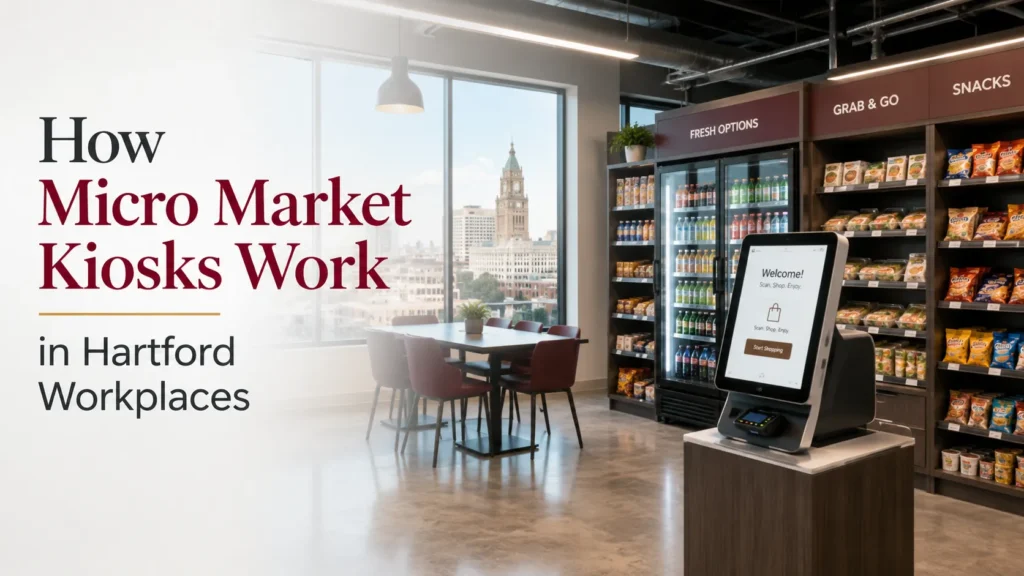
An office micro market works through a simple self-service process. Employees walk into the break room, browse available products, choose what they want, scan the items, and pay using the checkout kiosk or supported payment method.
The process usually looks like this:
- Employees browse open shelves and coolers.
- They select fresh food, snacks, drinks, or other items.
- They scan the product barcode at the checkout station.
- They pay with a card, mobile wallet, or other cashless option.
- They take their items and return to work.
The checkout experience is powered by self-service technology that allows employees to quickly select products and complete purchases. Businesses interested in this technology can explore how micro market kiosks support modern workplace convenience. Behind the scenes, the micro market provider manages product restocking, inventory monitoring, service needs, and product updates. That means your workplace gets the benefit of a stocked break room without assigning your office manager, HR team, or facilities staff to handle constant supply runs. For Berkshire Food customers, the service is designed around the workplace itself. The team reviews your space, employee count, schedule, break room traffic, and product needs before recommending the right setup.
What Can Be Included in an Office Food Market?
Food, beverages, snacks, and popular favorites
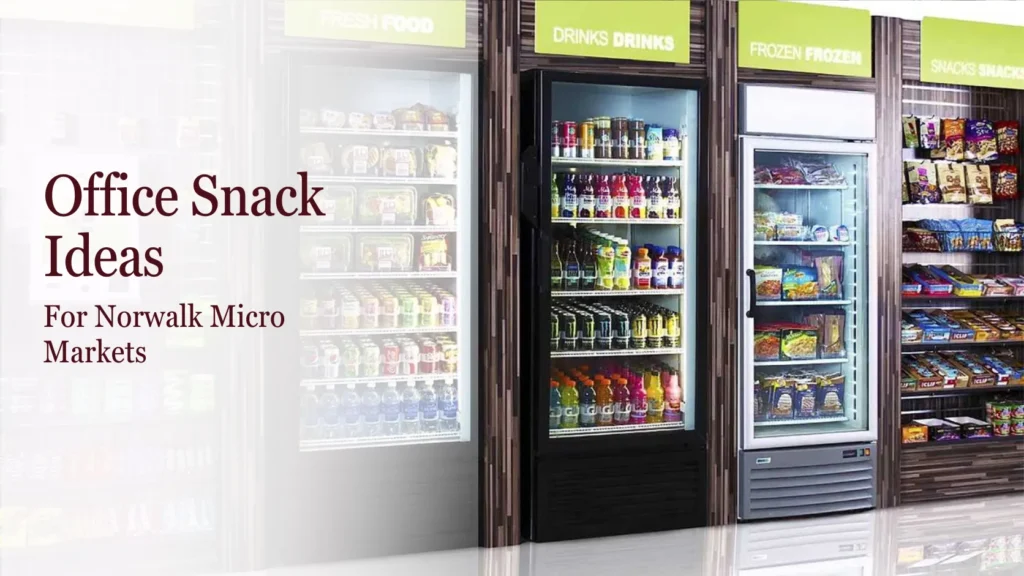
A strong office food market should feel useful every day by offering employees practical choices for breakfast, lunch, quick breaks, and afternoon snacks. Businesses can also explore different office snack ideas to create a refreshment program that matches employee preferences. It should not only offer basic snacks. It should give employees enough variety to support breakfast, lunch, quick breaks, long shifts, and afternoon pick-me-ups.
Common micro market products include:
- Breakfast items such as muffins, yogurt, fruit, and oatmeal cups
- Lunch options such as sandwiches, salads, wraps, and fresh meals
- Cold beverages including water, tea, soda, juice, and sparkling drinks
- Healthier snacks such as nuts, protein bars, granola, and trail mix
- Classic snacks such as chips, cookies, candy, and crackers
- Energy drinks, coffee beverages, and flavored waters
- Fresh fruit and refrigerated grab-and-go items
The best product mix depends on the workplace. A corporate office may want more premium beverages and healthy snacks. A manufacturing facility may need filling grab-and-go meals and cold drinks for shift workers. A medical facility may need quick food options available during long or irregular schedules. That is why customization matters. A micro market should be built around the people who will use it.
Office Micro Market vs. Traditional Vending Machines
Which option is better for your workplace?
Traditional vending machines are still useful for many workplaces. They are compact, familiar, and easy to place in smaller spaces. But a micro market offers a wider, more flexible break room experience.
Here is a simple comparison:
| Feature | Office Micro Market | Traditional Vending Machines |
|---|---|---|
| Shopping style | Open shelves and coolers | Products dispensed from machines |
| Product variety | Fresh food, snacks, meals, drinks, healthy options | Snacks, beverages, and packaged items |
| Payment experience | Self-checkout kiosk or cashless payment | Machine-based payment |
| Fresh food options | Strong fit for fresh meals and refrigerated products | Limited, depending on machine type |
| Best for | Larger teams, high-traffic locations, premium break rooms | Smaller spaces or simple snack and drink access |
| Employee experience | Feels like a small workplace store | Simple and familiar |
A micro market is often a better fit when a company wants to offer more variety, fresh food, and a modern break room experience. Businesses comparing different workplace options can also learn more about how micro market vending solutions differ from traditional vending setups. Vending machines may be better when space is limited or when the workplace only needs basic snack and beverage access. Many businesses use both. For example, a workplace may have a micro market in the main break room and vending machines in other areas of the facility. However, companies looking for more flexible workplace food options can explore vending machine alternatives that provide fresh food, wider selections, and a better employee experience.
Benefits of an Office Micro Market for Connecticut Employers
Better convenience, variety, and employee satisfaction
An office micro market Connecticut businesses can rely on should do more than stock snacks. It should improve the daily experience for employees and reduce hassle for the employer. Here are some of the biggest benefits.
Employees can stay on-site
When employees leave the workplace to buy coffee, lunch, snacks, or drinks, breaks often take longer. A micro market gives them convenient access to food and beverages inside the building.
This is helpful for:
- Busy offices
- Warehouses and distribution centers
- Medical workplaces
- Manufacturing facilities
- Schools and campuses
- Locations without nearby food options
Employees can grab what they need quickly and get back to their day.
More choices than standard vending
A micro market can offer a broader product selection than many traditional vending setups. Employees can choose from fresh meals, refrigerated drinks, healthier snacks, and popular comfort items. That variety matters because not every employee wants the same thing. Some may want a salad or fruit. Others may want chips, a soda, or a protein bar. A good micro market gives people options.
Better support for different work schedules
Many Connecticut workplaces do not operate on a simple 9-to-5 schedule. Warehouses, medical facilities, manufacturing plants, and distribution centers often have early shifts, late shifts, overnight teams, or rotating schedules. A micro market can provide access to food and drinks outside normal cafeteria or restaurant hours. That makes it useful for employees who work when outside food options are limited.
Stronger break room experience
A clean, stocked, modern market can make the break room feel more intentional. It shows employees that the company cares about their convenience and comfort. Businesses looking to create a more functional employee space can also explore better break room design ideas to improve layout, comfort, and everyday workplace usage.
This can support:
- Employee morale
- Workplace culture
- Break room usage
- Daily convenience
- Employee appreciation
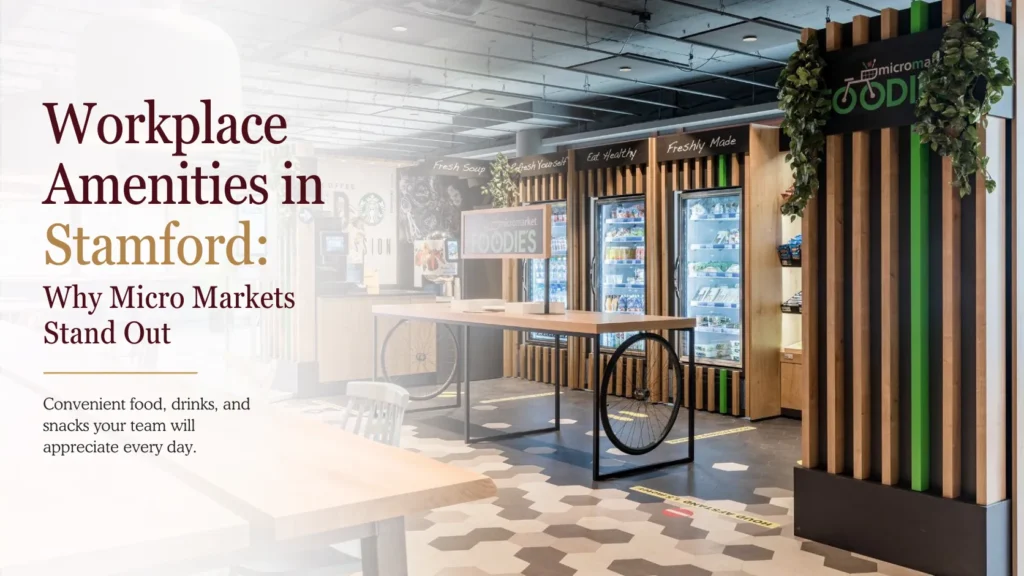
A micro market is not just about food. It is about creating a better workplace environment. Modern workplace amenities such as micro markets can help businesses create spaces that employees value and use regularly throughout the workday.
What Types of Workplaces Are a Good Fit for Micro Markets?
Offices, warehouses, healthcare, schools, and more
A workplace micro market should be flexible enough to support different industries throughout Connecticut. Micro markets can work well in:
Corporate offices
Office teams often need convenient access to breakfast items, coffee beverages, snacks, lunches, and afternoon drinks. A micro market can support employees, meetings, visitors, and hybrid work schedules.
Manufacturing facilities
Manufacturing teams may have limited break windows and physically demanding workdays. A micro market can provide filling snacks, cold drinks, and grab-and-go meals close to the work area.
Warehouses and distribution centers
Employees in warehouses and distribution centers often work early mornings, evenings, or overnight shifts. A micro market can provide 24/7 access to food and beverages without requiring employees to leave the site.
Medical facilities
Healthcare staff often work long shifts and may not have time to leave the building for meals. A micro market can provide quick, reliable food and drink options during busy schedules.
Schools and universities
Educational workplaces may need organized refreshment options for staff, faculty, approved student areas, or administrative teams. A micro market can be customized around the setting and audience.
Multi-tenant buildings
A shared micro market can serve multiple businesses in one building, giving employees from different companies access to a common break room refreshment area.
How Much Space Does an Office Micro Market Need?
The right layout depends on the workplace
One of the most common questions employers ask is whether they have enough room for a micro market. The answer depends on the size of the team, the available break room space, and the type of setup needed.
A micro market can be designed in different sizes. Some are compact and simple. Others include multiple coolers, shelves, displays, and checkout stations.
Important layout factors include:
- Available wall and floor space
- Electrical access
- Cooler placement
- Employee traffic flow
- Checkout kiosk location
- Product shelving
- Seating and break room layout
- Security and visibility
- Number of employees using the space
A provider like Berkshire Food can review the workplace and recommend a layout that makes sense. The purpose is to create a market that feels easy to use, not crowded or confusing.
What to Look for in a Connecticut Micro Market Provider
Local service matters
Choosing the right provider is just as important as choosing the right products. A micro market needs regular service, reliable stocking, clean equipment, and ongoing support.
When comparing providers, look for:
- Local service coverage
- Experience with different workplace types
- Reliable product restocking
- Fresh food and beverage options
- Flexible product selection
- Clean equipment and organized layouts
- Cashless checkout technology
- Responsive maintenance and support
- Ability to adjust products over time
- Related services such as coffee, water, vending, and pantry service
A provider should not simply install equipment and disappear. The best micro market programs are managed, monitored, and adjusted based on real workplace usage.
How Berkshire Food Helps Build Better Break Rooms
Local micro market service for Connecticut workplaces
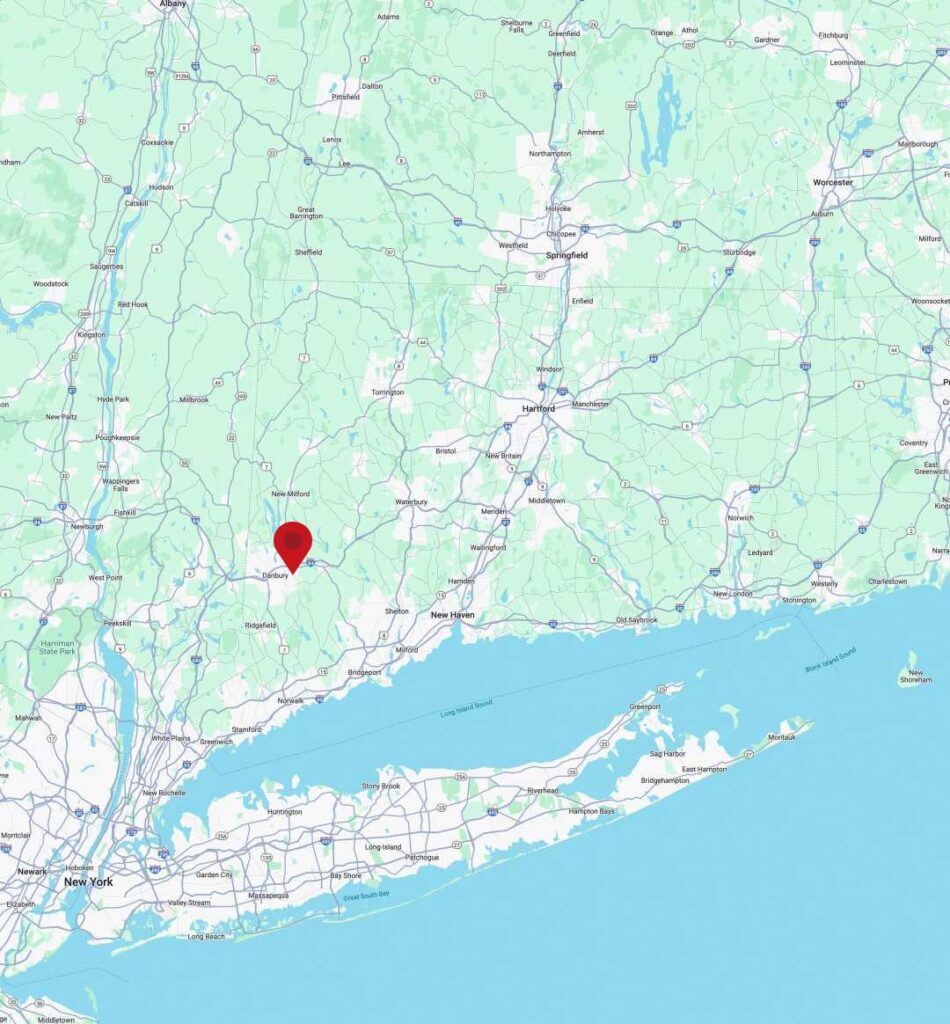
Berkshire Food helps businesses create customized micro markets that fit their space, schedule, and employees. The company serves workplaces across Connecticut and Upper Westchester County, NY, and supports a wide range of break room refreshment services.
Berkshire Food can help with:
- Micro market planning
- Layout and setup recommendations
- Product selection
- Fresh food and beverage stocking
- Snack and drink variety
- Cashless checkout support
- Ongoing restocking
- Service and maintenance support
- Related break room solutions
Because Berkshire Food also provides office coffee service, office vending machines, office water service, and office pantry service, businesses can build a more complete refreshment program from one local provider.
This is valuable for companies that want more than one solution. A workplace may need a micro market, coffee station, filtered water, and vending machines in different areas. Having one provider manage the full refreshment program can make the process easier.
Is a Self-Service Break Room Market Right for Your Workplace?
A simple checklist for employers
A self-service break room market may be a good fit if your workplace needs more convenience, more variety, and a better employee experience.
Consider a micro market if:
- Employees often leave the building for food or drinks.
- Your current vending setup feels limited.
- Your break room is underused or outdated.
- Your team wants healthier options and fresh food.
- You have employees working early, late, or overnight shifts.
- Your workplace has enough traffic to support a broader product mix.
- HR or facilities teams want fewer stocking responsibilities.
- You want a break room perk that employees use every day.
A micro market may not be the right first step for every business. Smaller offices or low-traffic locations may be better served by vending machines, coffee service, pantry service, or water service. The best approach is to review your space, employee count, schedule, and refreshment goals before deciding.
How to Prepare for a Micro Market Installation
What employers should think about first
Before installing a micro market, it helps to answer a few practical questions.
How many employees will use it?
Employee count affects product variety, cooler space, restocking needs, and overall layout.
What products do employees want?
Some teams prefer healthier snacks and fresh food. Others want classic favorites, cold drinks, or filling meal options. Employee feedback can help shape the right mix.
What is the work schedule?
A 9-to-5 office has different needs than a warehouse or medical facility with multiple shifts.
Where should the market be placed?
The best location is usually a high-traffic break room or employee area with enough space for shelving, coolers, and checkout. A well-planned setup should also consider broader employee break room ideas to create a comfortable and useful workplace environment.
Who will manage the program?
With a managed micro market service, the provider handles stocking, service, and product support. That reduces the workload for internal teams.
Common Mistakes to Avoid
What can make a micro market less successful?
A micro market works best when it is planned around the workplace. Avoid these common mistakes:
Choosing products without employee input
A market should reflect what employees actually want to buy. Product selection should be reviewed and adjusted over time.
Placing the market in a low-traffic area
If employees do not naturally pass by or use the space, the market may not reach its full value.
Ignoring healthy and fresh options
Classic snacks are important, but many employees also appreciate healthier choices, fresh food, and better beverage options.
Treating setup as a one-time project
A micro market needs ongoing service, restocking, product rotation, and support.
Not connecting it to the full break room experience
Coffee, water, seating, cleanliness, and layout all affect how employees feel about the break room.
Final Thoughts: Is an Office Micro Market Worth It?
A better break room can support a better workday
An office micro market can be a strong upgrade for Connecticut workplaces that want to improve convenience, food access, and the employee break room experience. It gives employees more choices, supports different work schedules, and creates a modern self-service environment inside the workplace.
For many businesses, the value is simple: employees can get fresh food, snacks, and beverages without leaving the building, while the employer gets a managed refreshment solution that does not require constant internal oversight. If you’re ready to create a better break room for your employees, Berkshire Food can help design, stock, and maintain a micro market tailored to your workplace.
Ready to upgrade your break room? Contact Berkshire Food to explore office micro market options for your Connecticut workplace.