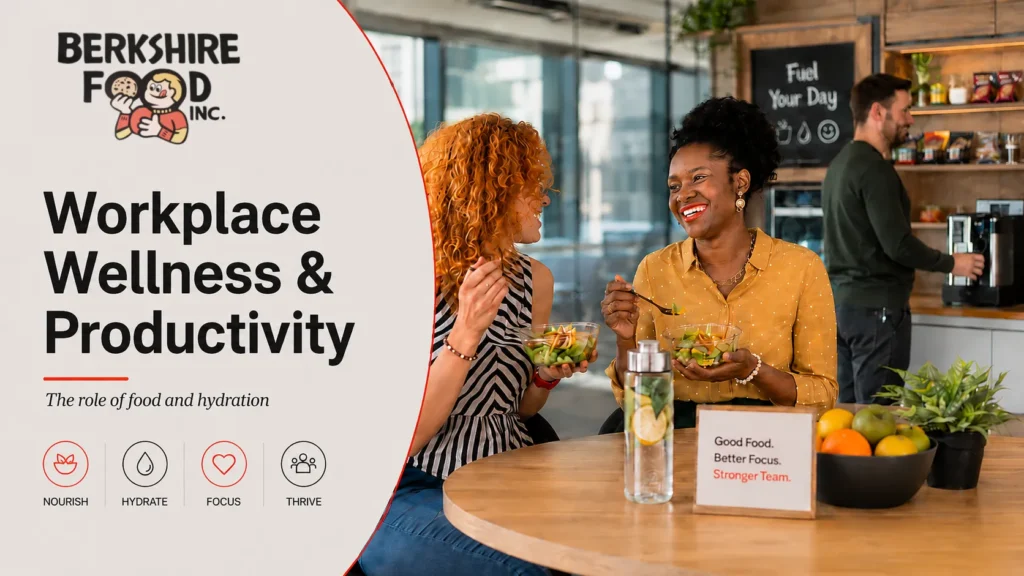
Workplace wellness is often discussed through large programs like health benefits, flexible schedules, fitness incentives, or mental health support. Those areas are important, but wellness also shows up in the small daily details employees experience every day. One of those details is the break room.
Employees spend many hours at work. During that time, they need access to water, coffee, snacks, meals, and short moments to recharge. When these basics are easy to access, the workday feels more convenient and more supportive. When employees have to leave the building for every drink, snack, or lunch option, it can interrupt focus, shorten breaks, and create daily frustration.
Food and hydration do not replace good leadership, fair workloads, or strong workplace culture. But they do support the daily employee experience. A well-planned refreshment program can help employees stay hydrated, take better breaks, access useful food options, and feel more comfortable throughout the day.
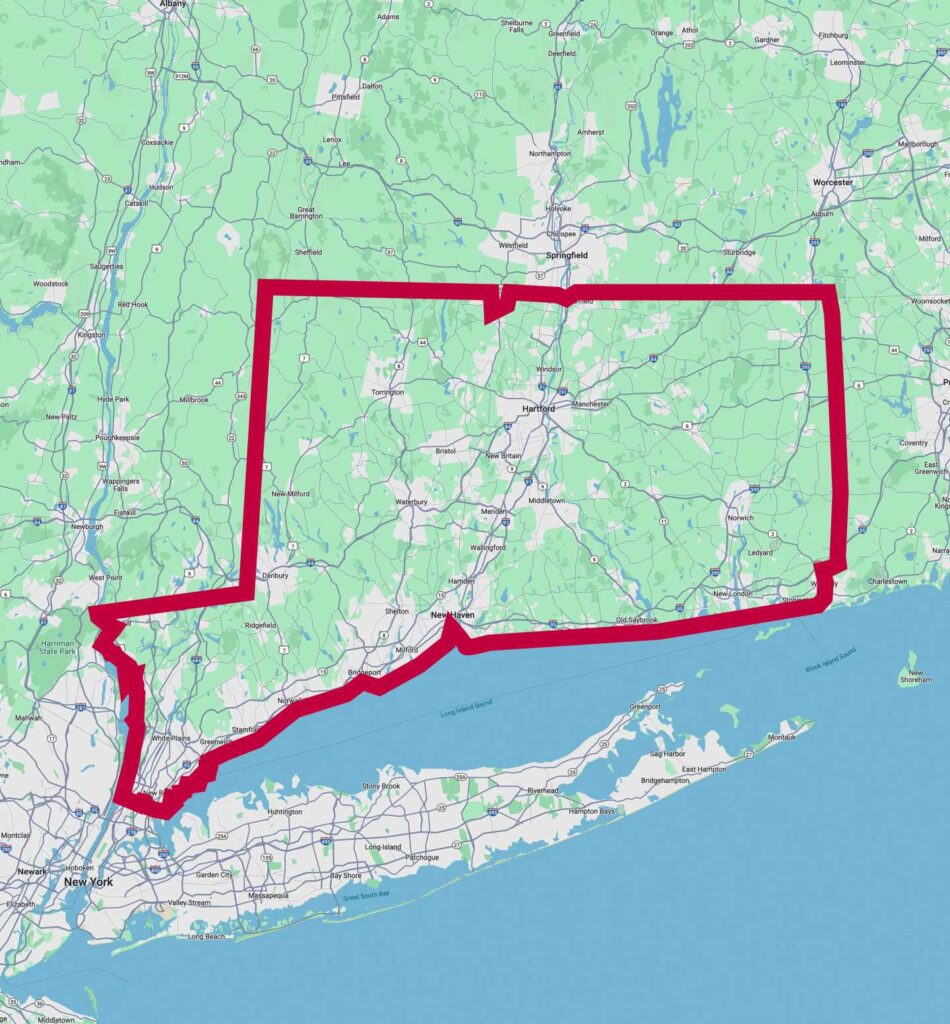
For Connecticut workplaces, including offices, warehouses, schools, medical facilities, manufacturing plants, and distribution centers, the role of food and hydration is practical. It helps create a break room that employees actually use.
Why Food and Hydration Matter at Work
Everyone needs food and water throughout the workday, but many workplaces still treat them as minor break room details. Employees may be working through long meetings, serving customers, managing classrooms, supporting patients, operating equipment, or moving through physically active shifts. If water, coffee, snacks, or food options are hard to access, employees may skip breaks, leave the workplace, or rely on whatever is closest and fastest. A better refreshment setup gives employees more control over their day and helps the workplace feel more organized, practical, and employee-focused.
Convenient refreshments help employees throughout the day
Employees do not only need refreshments at lunch. They may need water during the morning, coffee before a meeting, a snack between tasks, or something quick during an afternoon break. These moments may seem small, but they happen repeatedly throughout the week.
When the break room is stocked and easy to use, employees can take care of simple needs without leaving the building. That convenience can support smoother routines, shorter off-site trips, and a better overall workplace experience. A wellness-focused workplace does not need to overcomplicate food and beverage access. It simply needs to make daily basics easier for employees.
Hydration and Employee Wellness
Hydration is one of the simplest parts of workplace wellness. Employees may not always stop to think about water during a busy day, especially when they are moving between meetings, working with customers, handling warehouse tasks, supporting students, or managing long shifts. If drinking water is not visible or convenient, people are less likely to use it regularly. A workplace that makes water easy to access helps employees build better daily habits without requiring a major wellness program or complicated initiative.
What a good workplace hydration setup can include
A workplace hydration station can be simple or more advanced depending on the facility. Some businesses need filtered water in a break room. Others may benefit from chilled water, sparkling water, flavored water, or ice and water options. The right setup depends on employee count, available space, daily usage, and the type of workplace.
For companies that want a more dependable hydration solution, Berkshire Food’s office water service can help provide convenient water options for Connecticut and Upper Westchester workplaces. This can reduce the hassle of unmanaged bottled water cases and create a cleaner, easier hydration point for employees.
Hydration access is especially important in warehouses, manufacturing plants, medical workplaces, schools, and offices where employees spend long hours on-site.
Coffee, Routine, and Focus
Coffee is one of the most common workplace refreshments because it fits naturally into the workday. Employees often use coffee to start the morning, prepare for meetings, take an afternoon pause, or stay comfortable during long schedules. In many workplaces, coffee also supports hospitality for visitors, clients, vendors, and interview candidates. When coffee is reliable, employees rarely think about it. When it runs out, supplies are missing, or equipment is unreliable, the coffee station quickly becomes a daily frustration.
A dependable coffee station supports daily flow
A well-managed workplace coffee setup should match how the team actually drinks coffee. Some offices need traditional brewed coffee for shared use. Others may prefer single-cup systems, premium blends, tea, hot chocolate, creamers, sweeteners, and related supplies. The goal is not to create an oversized coffee bar. This helps to keep the coffee area stocked, clean, and easy to use.
A managed office coffee service can help businesses reduce common break room problems such as empty supplies, unclear restocking responsibility, inconsistent ordering, and outdated equipment. For HR teams, office managers, and facilities staff, this can remove a repeated task from the weekly workload.
Coffee works best as part of a balanced break room. When paired with water and food options, it supports a more complete employee refreshment experience.
Food Access and Employee Energy
Food access affects how employees manage their day. In many workplaces, employees do not always have time to leave for lunch, buy a snack, or drive to a nearby store. This is especially true in warehouses, manufacturing facilities, medical workplaces, schools, distribution centers, and offices located away from convenient food options. When the break room has practical food choices, employees can refuel without losing valuable break time. This supports comfort, convenience, and a better daily experience.
Balanced snack options make the break room more useful
A strong food and snack program should offer balance. Some employees want fruit, nuts, protein bars, yogurt, granola, or lighter snacks. Others may want chips, crackers, cookies, or familiar break room favorites. The goal is not to remove classic snacks or force only wellness-focused products. The purpose is to provide enough variety so different employees can find something that fits their needs.
For companies that want to provide snacks and beverages as an employee perk, office pantry service can be a strong option. Pantry service works well when employers want to offer snacks, drinks, coffee supplies, and break room essentials in an open, company-provided setup.
A pantry can support employee satisfaction because it gives people access to useful items throughout the day without turning every break into a purchase decision.
How Better Breaks Support Productivity
Productivity is not only about working longer or moving faster. Employees also need moments to pause, reset, and return to work with better focus. A break room supports productivity when it helps people use their breaks well. If employees can quickly get water, coffee, or a snack, they can take a short break without losing unnecessary time. If the break room is empty, messy, or poorly stocked, employees may leave the workplace, skip breaks, or return feeling more frustrated than refreshed.
The break room as a reset point
A well-managed break room gives employees a place to step away from their immediate work area. For office employees, that may mean a few quiet minutes away from a desk. For warehouse or manufacturing teams, it may mean a practical space to sit, drink water, and recharge. For medical staff or school employees, it may mean a short pause during a demanding schedule.
The value of the break room is not only in the products. It is also in the consistency of the space. Employees should know that water is available, coffee is stocked, snacks make sense, and the area is easy to use. When breaks are easier to take, employees are more likely to use them in a productive way.
Fresh Food and On-Site Convenience
Fresh food becomes important when snacks are not enough. Some workplaces have employees who stay on-site for long shifts, work far from restaurants, or do not have enough time to leave during lunch. In those settings, fresh meals, sandwiches, salads, wraps, fruit cups, yogurt, and refrigerated grab-and-go items can make the break room far more useful. Fresh food access is especially valuable for larger teams, high-traffic workplaces, and facilities where employees need real meal options without relying on off-site trips.
When a micro market makes sense
A micro market can be a strong fit when a workplace needs more than basic snacks and beverages. Instead of a few vending machines or a small pantry shelf, a micro market creates a self-service food and beverage area with open shelves, coolers, fresh food, drinks, and a checkout system.
For larger workplaces, Berkshire Food’s office micro markets can help employees access fresh food, beverages, snacks, and meal options without leaving the building. This can support teams with limited break windows, multiple shifts, or fewer nearby food options.
Micro markets are not necessary for every workplace. Smaller offices may be better served by coffee, water, pantry items, or vending. But when the team size and space support it, a micro market can significantly improve the break room experience.
Vending, Quick Access, and Shift-Based Teams
Vending is still one of the most practical workplace refreshment options because it is compact, familiar, and easy to place in different areas of a facility. It works well for employees who need quick access to snacks and beverages during short breaks, shift changes, or busy workdays. Vending can also support workplaces where a full pantry or micro market may not be the right fit. For many businesses, vending provides a simple way to improve refreshment access without requiring a large break room footprint.
Why vending still has a place in wellness planning
Modern vending can include more than candy and chips. Depending on the setup, vending machines can offer water, cold drinks, protein bars, nuts, granola, crackers, and better-for-you options alongside familiar favorites. This makes vending useful for offices, warehouses, schools, medical facilities, and manufacturing plants.
Berkshire Food’s office vending machines can support workplaces that need reliable snack and beverage access in a compact setup. Vending can also work alongside other services. For example, a company may use coffee and water in the main break room while placing vending machines closer to warehouse or production areas.
The best vending programs are planned around employee traffic, product demand, and service consistency.
Matching Refreshment Programs to Workplace Types
Every workplace has different wellness and productivity needs. A corporate office may focus on coffee, filtered water, pantry snacks, and meeting support. A warehouse may need cold beverages, water access, and quick snacks close to shift break areas. A medical facility may need reliable refreshments for long schedules. A school may need staff-focused coffee and water options. A manufacturing plant may need practical refreshment access that supports active teams. Because these environments are different, workplace refreshment programs should not be copied from one business to another.
Choosing services based on the work environment
A strong refreshment program starts with the facility itself. The number of employees, work schedule, break length, available space, and employee movement patterns all affect what makes sense. A small office may only need coffee and water. A larger facility may need vending in one area, a micro market in another, and hydration stations throughout the workplace.
| Workplace Type | Common Refreshment Needs | Practical Fit |
| Corporate office | Coffee, water, pantry snacks, meeting support | Coffee service, water service, pantry |
| Warehouse | Cold drinks, quick snacks, shift access | Vending, water service |
| Manufacturing plant | Hydration, filling snacks, reliable access | Water service, vending, micro market if traffic supports it |
| Medical facility | Coffee, water, quick food for long shifts | Coffee, water, fresh food, vending |
| School or education setting | Staff room coffee, water, approved snacks | Coffee, water, pantry or vending |
The goal is not to add every service. The focus is on choosing the right services for the way employees work.
Building a Wellness-Focused Refreshment Program
A wellness-focused refreshment program should start with employee needs, not product lists. Before choosing equipment, snacks, coffee, water systems, or food options, employers should understand how the break room is currently used. Do employees leave for coffee every morning? Is water access limited? Do staff work long shifts? Are there complaints about snacks or missing supplies? Are employees skipping breaks because there are no useful options nearby? These questions help identify the right starting point.
Start with the biggest daily gaps
Most workplaces do not need to improve everything at once. It is better to solve the most common daily problems first. If coffee is unreliable, start with coffee service. If water access is poor, start with hydration. If employees leave for snacks or lunch, look at pantry, vending, or fresh food options.
A simple planning process may include reviewing employee count, break schedules, current complaints, available space, and product preferences. These details help prevent overbuilding the program or choosing services employees will not use.
A well-managed refreshment program should also be flexible. Employee preferences change, teams grow, and workplace schedules shift. The program should be reviewed and adjusted over time.
Balancing Wellness, Budget, and Employee Preferences
A workplace wellness refreshment program should be useful and sustainable. Employers sometimes assume wellness means offering every possible snack, beverage, meal, and drink option. That is not realistic for most businesses. A better approach is to balance employee needs with budget, space, and service expectations. A smaller program that is consistently stocked is usually better than a large program that becomes unreliable. Employees value consistency, and employers need a program that can be maintained without waste or unnecessary cost.
Use actual employee preferences to refine the program
The best product mix often becomes clearer after the program is running. Some items will move quickly. Others may sit untouched. Some employees may request healthier snacks, while others may continue choosing familiar favorites. Usage patterns should guide future decisions.
This is where ongoing service matters. A provider can help adjust product selection, restocking frequency, and service needs based on real workplace behavior. That keeps the program practical and prevents the break room from becoming cluttered with items employees do not use.
Wellness works best when it gives employees better choices without creating pressure or waste.
Supporting HR, Facilities, and Operations Teams
Break room management often becomes an invisible task for internal teams. Someone has to order coffee, check water supplies, manage snacks, respond to employee complaints, organize storage, contact vendors, and deal with equipment issues. These tasks may seem small, but they can take time away from HR, office management, facilities, and operations work. A managed refreshment program helps reduce that pressure by creating a clearer process for stocking, service, and support.
A better program reduces repeated problems
Many break room issues repeat every week. Coffee runs out. Cups disappear. Water supplies are low. Snacks do not match employee preferences. Machines need service. Employees ask who is responsible. Without a managed process, these problems keep returning.
A good refreshment provider helps make the break room more predictable. That does not mean the employer has no input. It means the employer can focus on goals, preferences, and employee feedback while the provider supports the operational details.
For internal teams, this can make workplace wellness easier to maintain. The break room becomes less reactive and more organized.
Common Mistakes to Avoid
Many companies try to improve workplace wellness but skip the planning stage. They may buy coffee equipment without thinking about service, add snacks employees do not want, place water stations in inconvenient locations, or offer too many products without a clear restocking plan. These mistakes can make the break room harder to manage instead of more useful. A better approach is to make refreshment decisions based on employee routines, facility layout, service needs, and actual usage.
Wellness should stay practical
One common mistake is assuming every workplace needs the same solution. A small office may not need a micro market. A warehouse may need stronger hydration access before pantry snacks. A medical facility may value reliability more than product variety. A school staff room may need simple, dependable supplies.
Another mistake is treating wellness as a one-time project. The break room needs to change over time. Employee preferences shift, team size changes, and products that once worked may become less useful. A refreshment program should be reviewed regularly so it continues to fit the workplace.
The best wellness programs are not the most complicated. They are the ones employees actually use.
Why Local Support Matters for Connecticut Workplaces
Workplace refreshment service is ongoing. Products need restocking, equipment may need attention, employee preferences change, and workplaces grow. For Connecticut and Upper Westchester County businesses, local support can make the program easier to manage. A local provider understands the region, workplace schedules, facility types, and service expectations. This is especially important for businesses with multiple shifts, high-traffic break rooms, or several refreshment areas across one location.
Berkshire Food’s local workplace experience
Berkshire Food is a family-owned and operated refreshment provider serving workplaces across Connecticut and Upper Westchester County, NY. Since 1964, the company has helped local businesses improve break rooms through coffee, water, vending, pantry service, micro markets, and related workplace refreshment solutions.
That experience matters because every workplace is different. Some companies need better hydration. Others need coffee service, snacks, fresh food, or a complete break room refreshment plan. The right provider should help match the solution to the workplace instead of offering the same program to every business.
Local service also supports consistency. When a break room depends on stocking, maintenance, and product adjustments, dependable support matters.
Final Thoughts: Food and Hydration Are Part of a Better Workday
Food and hydration are not small details when employees spend much of their day at work. They affect comfort, breaks, routines, convenience, and the overall workplace experience. A better refreshment program can help employees access water, coffee, snacks, and food without unnecessary disruption. It can also help HR, facilities, and operations teams reduce repeated break room problems. The best workplace wellness programs are practical, consistent, and designed around the people who use the space every day.
A good break room does not need to be complicated. It needs to support the real workday. For some workplaces, that starts with water and coffee. For others, it may include pantry snacks, vending, or fresh food options. What matters most is building a refreshment program that fits the team, facility, schedule, and company goals.
Ready to create a more useful break room for your employees? Contact Berkshire Food to start planning a workplace refreshment program for your Connecticut business.
Frequently Asked Questions
Hydration supports workplace wellness by making it easier for employees to stay refreshed during the day. Convenient water access can help employees build better daily habits and use the break room more consistently.
The best food options usually include a balance of familiar snacks, better-for-you items, fresh food where appropriate, and beverages employees actually use. The right mix depends on the workplace and employee preferences.
Yes. Coffee can be part of a wellness-focused break room when it is reliable, well-stocked, and paired with useful options such as water, snacks, tea, and balanced refreshment choices.
Snacks alone do not guarantee productivity, but convenient food access can help employees take better breaks, reduce off-site trips, and stay more comfortable during busy workdays.
A wellness-focused break room may include water, coffee, snacks, fresh food options, clean organization, comfortable seating where possible, and refreshment services that match employee needs.
Micro markets can support workplace wellness by offering more food and beverage variety, including fresh meals, water, snacks, and better-for-you options in a self-service workplace setup.
Employers should review employee count, break schedules, workplace layout, current complaints, food and beverage preferences, and service needs before choosing a refreshment program.
Yes. Berkshire Food supports Connecticut and Upper Westchester County workplaces with refreshment services that can improve hydration, coffee access, snack availability, fresh food options, and break room convenience.