

A shared office kitchen can be one of the most useful spaces in a workplace. Employees use it to make coffee, grab a snack, eat lunch, refill a drink, or take a short break away from their desks. But because multiple people use the same space throughout the day, small habits can quickly affect everyone else.
A dirty microwave, dishes left in the sink, food taking up refrigerator space, or an overflowing trash can can turn a convenient break room into a source of daily frustration. Clear expectations can prevent many of these problems without making the workplace kitchen feel overly formal.
For Bethel businesses, establishing practical office kitchen etiquette is less about creating a long list of strict rules and more about encouraging employees to treat a shared space with consideration. Simple habits around cleaning, food storage, noise, personal belongings, and supplies can make the kitchen easier for everyone to use.
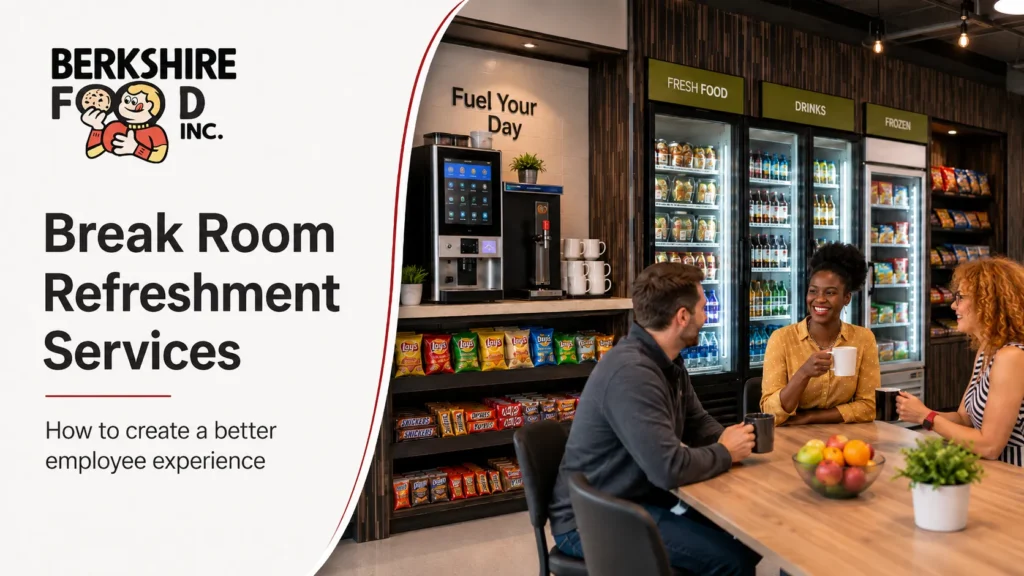
A well-maintained kitchen also works best when the business has the right workplace refreshment setup behind it. Berkshire Food’s break room refreshment services provide additional information about how businesses can support employee break rooms with snacks, beverages, coffee, and other refreshment options.
Why Office Kitchen Etiquette Matters
Shared spaces work differently from private spaces because one person’s actions can affect everyone else. An employee who leaves a coffee cup on the counter may not think it is a significant issue, but several employees doing the same thing can quickly leave the kitchen cluttered.
Good etiquette helps prevent these small issues from becoming recurring workplace problems. It also creates a more predictable environment where employees know what is expected when they use shared facilities.
The goal should not be to monitor every action employees take in the kitchen. Instead, businesses can establish a few straightforward expectations that encourage people to clean up after themselves and respect the space.
Shared Spaces Require Shared Responsibility
A workplace kitchen belongs to everyone who uses it. That means employees should not assume that another person will clean up after them.
If someone spills coffee, leaves food in the microwave, or drops crumbs on the counter, the simplest solution is usually to address the mess immediately. Small cleanup tasks take much less effort when handled at the time they happen.
This shared responsibility also applies to break room supplies and equipment. Employees should avoid unnecessarily wasting shared products and should let the appropriate person know when something needs attention.
Etiquette Should Be Simple to Follow
The most effective expectations are usually the ones employees can remember without referring to a lengthy policy.
Businesses do not need dozens of rules covering every possible situation. A few clear principles, such as cleaning what you use, respecting other people’s food, keeping shared areas organized, and reporting problems, can address most common kitchen issues.
Essential Office Kitchen Rules for Bethel Workplaces
Every workplace can establish its own expectations, but practical office kitchen rules should generally focus on cleanliness, food storage, shared equipment, noise, and consideration for coworkers.
Employees should leave counters, tables, sinks, microwaves, coffee areas, and other shared surfaces in reasonable condition after use. Food should be stored appropriately, spills should be cleaned promptly, and personal belongings should not occupy shared space for longer than necessary.
The rules should also account for the workplace’s specific setup. A small office kitchen may require different storage expectations than a larger break room with refrigerators, microwaves, vending equipment, or a stocked pantry.
Clean Up After Yourself
One of the most basic principles of workplace kitchen etiquette is also one of the most important: employees should clean up what they use.
That includes washing or placing reusable dishes in the designated area, wiping food or beverage spills, removing food from shared appliances after use, and throwing away trash appropriately.
Employees should not leave dirty dishes in the sink with the expectation that someone else will handle them later. If the workplace uses a dishwasher, businesses should clearly communicate where used dishes belong and whether employees are expected to load or unload it.
Leave Appliances Ready for the Next Person
Shared appliances should be left in usable condition. If food splatters inside a microwave, the person who caused the mess should wipe it down rather than leaving it for the next employee.
The same principle applies to coffee equipment, refrigerators, toaster ovens, and other shared appliances. Employees should use equipment according to workplace instructions and report malfunctioning equipment instead of attempting repairs themselves.
Keep Counters and Tables Clear
Counters and tables are shared surfaces, so they should not become permanent storage areas for personal food containers, cups, paperwork, or other belongings.
Employees can help keep the kitchen functional by taking personal items back to their desks or designated storage areas after use. This makes the space easier to clean and leaves room for other employees.
Break Room Etiquette for Shared Meals
Lunch and snack periods can create the most activity in an office kitchen. Several employees may need to use the refrigerator, microwave, sink, or tables at the same time.
Good break room etiquette helps prevent these periods from becoming unnecessarily difficult.
Employees should be mindful of how long they occupy shared equipment and should avoid leaving food unattended in a way that prevents others from using the space. If someone is waiting to use the microwave or another appliance, employees can help by keeping their own use reasonably brief.
Respect Other People’s Food
Food stored in a shared refrigerator or cabinet should be treated as personal property unless the workplace has specifically identified it as communal.
Employees should not take another person’s lunch, snacks, drinks, or other food simply because the item is accessible. This seems obvious, but clear expectations can prevent misunderstandings in busy workplaces.
Businesses can also establish a policy for labeling personal food. Employees may be encouraged to write their name and date on containers, particularly when food is likely to remain in the refrigerator for more than one day.
Follow Refrigerator Storage Expectations
Even a well-chosen break room refrigerator can become difficult to manage when employees leave old food behind or occupy excessive space.
Employees should use designated areas when available and remove personal food regularly. If the business has a scheduled refrigerator cleanout, employees should understand when food needs to be removed.
A clear refrigerator policy can prevent disputes about whether an item belongs to someone and reduce the accumulation of forgotten food.
Shared Kitchen Rules for Food Storage
Good shared kitchen rules should address not only where food is stored but also how long it should remain in shared areas.
Employees should avoid leaving personal food on counters for extended periods, particularly if the item requires refrigeration. Food should be stored according to its needs, and employees should follow any workplace guidance regarding perishable items.
Label Personal Food When Appropriate
Labels can make shared refrigerator storage much easier to manage. A name and date can help employees identify their own food and can make it easier to remove items that have been forgotten.
This is particularly useful in larger workplaces where many employees may use the same refrigerator.
Do Not Treat Shared Storage as Permanent Storage
Office refrigerators and cabinets are shared resources. Employees should not assume they can permanently occupy a shelf, drawer, or cabinet simply because they were the first person to use it.
Businesses can designate specific areas for personal food, communal supplies, or frequently used workplace refreshments. This creates clearer expectations and makes it easier for everyone to find what they need.
Keep the Kitchen Clean Without Creating Conflict
One challenge with workplace kitchen policies is enforcing them without creating unnecessary tension between coworkers.
Businesses can reduce this problem by making expectations visible and consistent. A short kitchen notice can remind employees to clean up after themselves, label food, dispose of trash properly, and keep shared areas available.
The language should remain practical rather than accusatory. Instead of suggesting that employees are careless, explain that everyone shares responsibility for keeping the space comfortable.
Address Recurring Problems at the Source
If the same issue happens repeatedly, management should look at whether the workplace setup is contributing to it.
For example, an overflowing trash can may indicate that the container needs to be emptied more frequently. A constantly cluttered counter may indicate that employees need additional storage. Food accumulating in the refrigerator may indicate that the workplace needs a clearer cleanout policy.
Not every kitchen problem is an employee behavior problem. Sometimes the solution is an adjustment to the physical space or service schedule.
Managing Shared Coffee and Refreshment Areas
Whether the workplace offers coffee or a dedicated office tea service, shared refreshment areas can receive heavy use throughout the day. Employees may stop by for coffee in the morning, refill drinks later, and return for snacks during afternoon breaks.
Businesses should establish simple expectations for using these areas. Employees should clean spills, return supplies to their designated locations, and avoid leaving used cups, stirrers, wrappers, or food packaging on counters.
If the workplace provides managed refreshment services, employees should also understand which products are communal and which items are intended for individual purchase.
For businesses in Bethel looking to improve the overall refreshment experience, Berkshire Food’s office coffee service can support workplace coffee programs with coffee, tea, equipment, supplies, and service.
Make the Kitchen Easy to Use
Good etiquette becomes easier when the physical kitchen supports good habits.
If trash cans are difficult to access, employees may leave packaging on counters. If frequently used supplies have no obvious storage location, they may end up scattered around the kitchen. If cleaning supplies are hidden away, employees may not know how to deal with a small spill.
Businesses can make the space more functional by clearly organizing common supplies and giving frequently used items a consistent home.
Create Designated Areas
Separate areas for food storage, coffee supplies, cleaning materials, dishes, and waste can reduce clutter and make expectations easier to follow.
Employees should not have to guess where something belongs. Simple labels or signs can be useful when the kitchen has multiple storage areas.
Keep Cleaning Supplies Accessible
Basic cleaning supplies should be available where employees can easily find them, subject to workplace safety policies.
A paper towel dispenser, appropriate surface-cleaning supplies, and clearly marked waste and recycling containers can make it easier for employees to deal with small messes immediately.
How Managers Can Communicate Kitchen Expectations
Even sensible kitchen policies can fail if employees do not know they exist. Managers should communicate expectations during onboarding and reinforce them when necessary. A short notice near the refrigerator, microwave, or sink can also serve as a practical reminder.
The goal is to make the rules part of the workplace routine rather than something management only mentions after a problem occurs.
Keep the Policy Visible but Brief
A long list of rules can be difficult to remember. A short set of clearly written expectations is more likely to be noticed.
For example, a workplace can focus its kitchen guidance around cleaning up after use, respecting personal food, labeling stored items, keeping shared equipment available, and reporting problems.
Apply Expectations Consistently
Kitchen policies should apply to everyone. When employees see that expectations are consistent across departments and seniority levels, the rules are easier to accept.
Managers should also distinguish between ordinary mistakes and repeated problems. An employee who accidentally forgets a container one day may simply need a reminder, while recurring issues may require a different conversation.
Supporting a Better Workplace Break Room
Office kitchen etiquette is only one part of creating a functional employee break room. The physical space, available refreshments, equipment, storage, and maintenance all influence how employees experience the area.
A workplace with an organized kitchen but consistently empty coffee supplies may still frustrate employees. Likewise, a well-stocked break room can become difficult to use if refrigerators, microwaves, counters, and trash areas are not maintained.
That is why businesses should look at the break room as a complete workplace environment rather than focusing only on employee behavior.
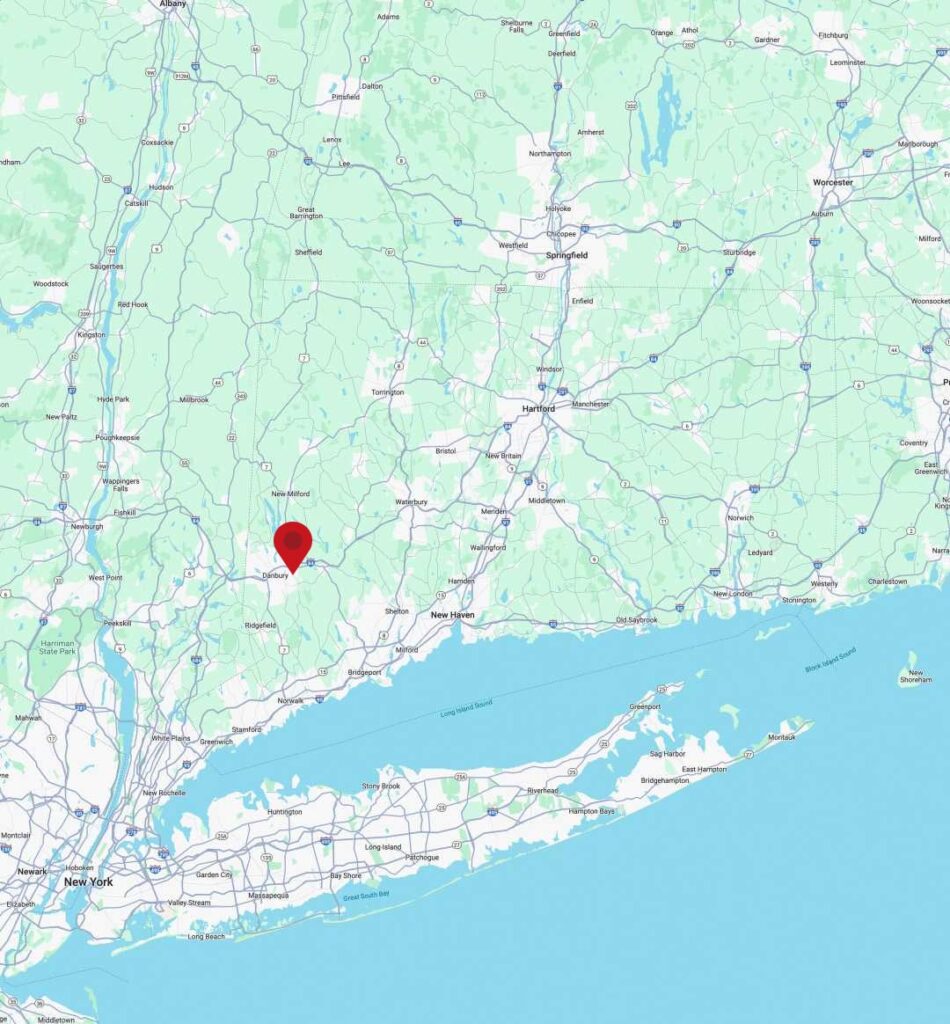
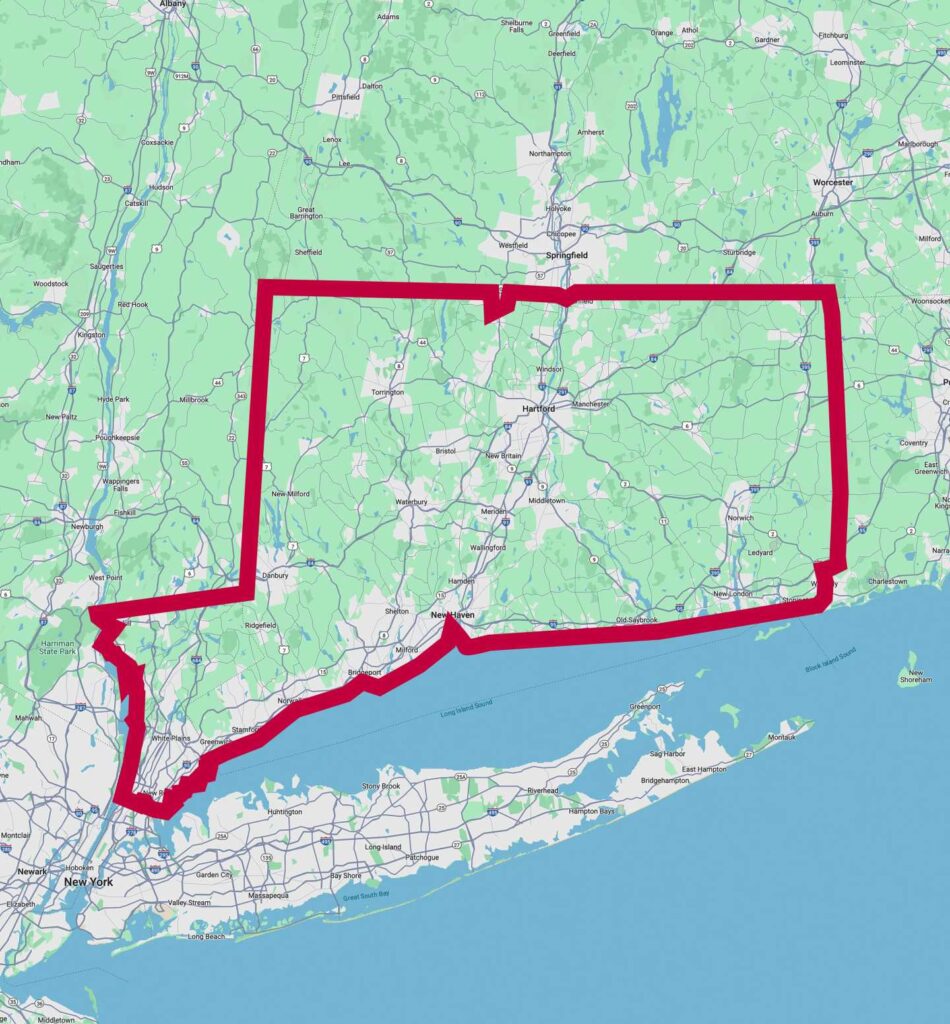
For Bethel businesses, Berkshire Food provides workplace refreshment services designed around the needs of local companies. Businesses can also review the Bethel, CT service area to see how workplace refreshment support can fit into a local office environment.
Building a Simple Kitchen Etiquette Policy
A workplace does not need a complicated policy to establish effective kitchen etiquette. The most useful policy is one that employees can understand quickly and follow consistently.
A practical policy can explain that employees are responsible for cleaning up after themselves, respecting personal food, using shared appliances properly, keeping personal belongings out of common areas, and reporting maintenance or supply issues.
Businesses can then adapt those expectations to their specific kitchen. A workplace with a large refrigerator may need detailed food-storage guidance, while a smaller office may only need a few basic reminders.
The important thing is consistency. When expectations are clear and the kitchen is properly supported, employees are more likely to treat the space as a shared resource rather than someone else’s responsibility.
Frequently Asked Questions
Office kitchen etiquette refers to the basic behaviors employees should follow when using a shared workplace kitchen. It generally includes cleaning up after yourself, respecting other people's food, keeping shared areas organized, using appliances responsibly, and leaving the space ready for the next person.
The most important rules are usually simple: clean up after using the kitchen, do not take another person's food, label personal items when appropriate, keep shared surfaces clear, use appliances responsibly, and dispose of trash properly.
Break room etiquette helps employees share a common space without unnecessary conflict or inconvenience. When people clean up after themselves and respect shared resources, the kitchen remains more comfortable and usable throughout the workday.
Labeling food with a name and date can be helpful, particularly in larger workplaces. It makes personal ownership clearer and can support regular refrigerator cleanouts.
Businesses can establish a regular refrigerator cleanout schedule and communicate it clearly to employees. Employees should also be encouraged to remove their own old or unwanted food rather than leaving it for someone else.
Employees should generally clean up after themselves rather than expecting coworkers or cleaning staff to handle personal messes. Businesses can still arrange regular professional cleaning for the overall space and address maintenance needs separately.
Clear expectations, visible reminders, accessible cleaning supplies, organized storage, and consistent management communication can all help. Businesses should also look at whether recurring problems are caused by the kitchen setup rather than assuming every issue is an employee behavior problem.
Employees should report broken appliances, plumbing problems, damaged equipment, or other maintenance concerns through the workplace's established reporting process. Employees should not attempt repairs themselves unless they are specifically authorized and qualified to do so.