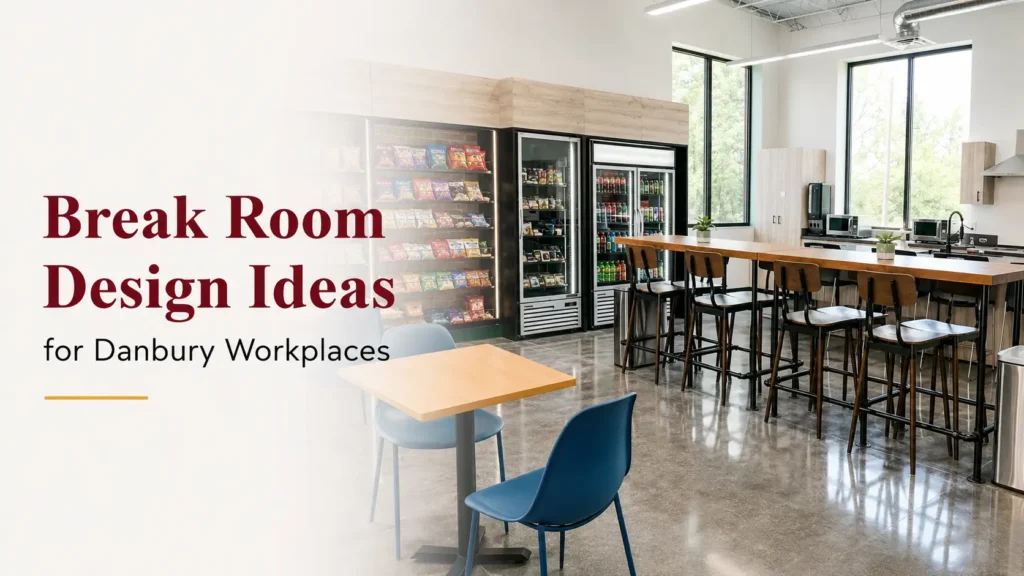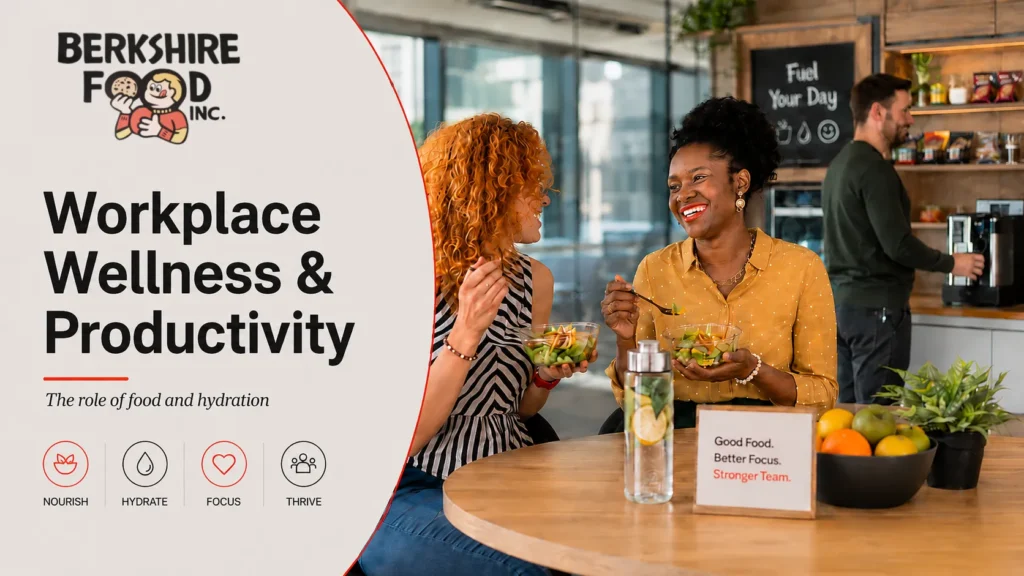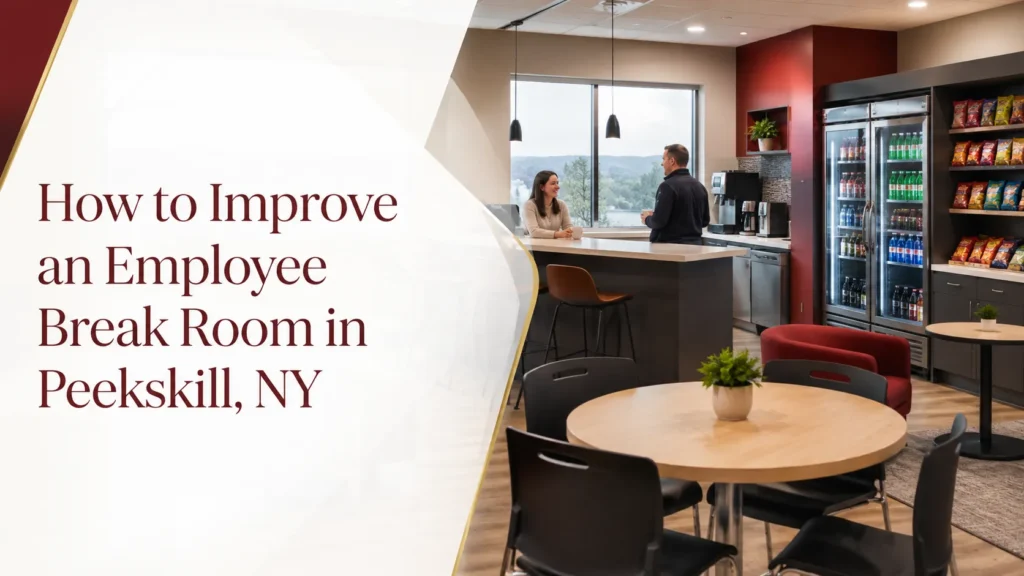

A workplace break room says more about a company than many employers realize. It is where employees pause between tasks, grab coffee before a meeting, eat lunch during a busy day, and reset before returning to work. When the break room feels outdated, empty, or poorly managed, employees notice. When it is stocked, clean, useful, and easy to access, it becomes a small but meaningful part of the workday.
That is where break room refreshment services can help.
A strong refreshment program gives employees convenient access to coffee, water, snacks, beverages, fresh food, pantry items, and vending options inside the workplace. It can reduce off-site trips, support daily routines, improve convenience, and make the workplace feel more thoughtful.
This guide explains how break room refreshment services work, what they can include, and how businesses can build a better employee experience through a well-planned break room.
What Are Break Room Refreshment Services?
Break room refreshment services are managed workplace solutions that provide food, beverages, coffee, water, snacks, vending, pantry items, and related supplies for employee break areas. Instead of asking internal staff to manage every coffee order, snack run, water supply, vending issue, or product shortage, a refreshment provider helps plan, stock, service, and support the break room. The purpose is to create a convenient space employees can use throughout the workday. For offices, warehouses, schools, medical facilities, and manufacturing workplaces, these services can be customized around employee count, schedule, available space, and workplace culture.
A complete approach to workplace convenience
A complete break room refreshment program may combine coffee, filtered water, vending, pantry service, micro markets, and fresh food with the essential break room supplies employees use every day.
Some businesses only need coffee and water. Others need snacks for shift workers, fresh food for larger teams, or pantry items as an employee perk. The best programs are not copied from another workplace. They are designed around how people actually use the space.
Why the Break Room Matters to Employee Experience
The break room is one of the few places in a workplace that employees use for personal comfort during the day. It gives people a place to step away from their desk, take a real pause, drink water, eat something, or connect briefly with coworkers. When the break room is useful, it supports the natural flow of the workday. When it is ignored, employees may leave the building more often, skip breaks, or feel that their daily comfort is not a priority. A better break room does not need to be complicated. It needs to be reliable, accessible, and built around employee needs.
Small improvements can have daily impact
A fresh cup of coffee, cold water, a quick snack, or a convenient lunch option may seem small, but employees use these things every day. That is why break room improvements can feel more visible than occasional perks.
Employees may not use every benefit a company offers, but most employees use the break room. A well-stocked refreshment area can support morning routines, lunch breaks, meetings, long shifts, and afternoon resets. It becomes part of the everyday workplace experience.
Core Elements of a Strong Break Room Refreshment Program
A strong refreshment program should be built around variety, convenience, reliability, and ease of management. It should help employees find what they need without creating extra work for HR, facilities, office managers, or operations teams. The right setup depends on the workplace. A corporate office may need premium coffee and pantry snacks. A warehouse may need vending, cold drinks, and water access for shift workers. A medical facility may need reliable refreshments for long schedules. The most effective programs combine the right services in a way that fits the team, space, and budget.
Coffee service for daily routines
Coffee is often the starting point for break room improvement because employees use it so often. A managed coffee program can include equipment, coffee, cups, creamers, sweeteners, tea, hot chocolate, and ongoing support, while a dedicated office tea service can expand beverage choices.
For businesses that want a more dependable coffee station, Berkshire Food’s office coffee service can help keep the break room stocked and easier to manage. This is especially useful for workplaces where coffee runs out often, supplies go missing, or employees regularly leave the office to buy coffee.
Water service for hydration
Choosing a suitable office water dispenser can help businesses provide convenient drinking water access throughout the workday, particularly in offices, warehouses, manufacturing plants, and medical facilities.
A better water setup may include filtered, sparkling, or bottleless systems, while businesses considering ice access can review an office ice machine buying guide before choosing suitable equipment. When clean quality drinking water is easy to access, people are more likely to stay hydrated. That makes office water service a natural fit for companies that want to improve daily wellness and break room convenience.
Snacks and beverages for quick breaks
Snacks and beverages help employees get through busy workdays without leaving the workplace. Some employees want something light between meetings. Others need a cold drink during a long shift or a quick snack during a short break.
A good snack and beverage program should include a balanced selection. Popular favorites matter, but many workplaces also benefit from better-for-you options such as water, nuts, protein bars, granola, trail mix, and lower-sugar drinks.
Fresh food and meal options
Larger workplaces may need more than snacks. Employees who cannot easily leave the building for lunch may appreciate fresh meals, sandwiches, salads, wraps, fruit, and grab-and-go options.
Fresh food is especially valuable for workplaces with limited nearby dining options, short breaks, or multiple shifts. It can also help reduce long off-site lunch trips and make the break room feel more complete.
Comparing Break Room Refreshment Options
Not every workplace needs the same type of refreshment service. Some businesses need compact vending machines. Others want a more open market-style setup. Some companies want employer-paid pantry items, while others prefer employees to purchase snacks and drinks individually. Comparing the options helps employers choose a program that makes sense instead of adding services randomly. The best solution depends on employee count, available space, traffic, company culture, and how much the employer wants to provide as a direct perk.
Break room service comparison
| Refreshment Option | Best For | How It Works |
| Coffee service | Offices and facilities that need reliable daily coffee | Coffee equipment, products, supplies, and service support |
| Water service | Workplaces focused on hydration and wellness | Filtered, sparkling, flavored, or chilled water options |
| Vending machines | Compact snack and beverage access | Employees purchase items from stocked machines |
| Pantry service | Employer-provided snacks and beverages | Products are stocked openly for employees |
| Micro markets | Larger break rooms and high-traffic workplaces | Open shelves, coolers, fresh food, and self-checkout |
| Combined program | Workplaces with broader refreshment needs | Multiple services managed together |
This comparison is not about choosing the “best” option in general. It is about choosing what fits the workplace. A small office may only need coffee and water. A large facility may need vending machines in one area and a micro market in another.
How to Plan a Better Break Room Refreshment Program
Planning matters because a break room program should solve real workplace problems. If employees leave the building for coffee every morning, coffee service may be the priority. If staff work long shifts, water and quick food access may matter more. If the company wants to improve employee perks, pantry service may be useful. A successful plan starts with understanding the workplace before choosing equipment or products. Employers should think about how many people use the break room, when they use it, what they currently complain about, and what kind of experience the company wants to create.
Start with employee needs
The best way to improve the break room is to understand how employees already use it. Do they bring lunch from home? Do they leave for coffee? Do they complain about limited snack options? Do they need cold drinks during active shifts? Do visitors or clients use the space?
These questions help identify the services that will actually matter. A break room should not be designed only around what looks good. It should be useful during the real workday.
Review space and layout
Available space affects what services are practical. A small office may not have room for a full micro market, but it may have enough space for coffee, water, and a compact snack area. A larger facility may need several refreshment points across different departments or shifts.
Important layout factors include traffic flow, electrical access, counter space, seating, visibility, and cleanliness; businesses adding shared food storage should also consider break room refrigerator sizing and selection.
Set a realistic service plan
A refreshment program should be easy to maintain. That means planning restocking, delivery, product rotation, equipment support, and service communication before problems happen.
The right service plan depends on product usage. A high-traffic workplace may need frequent restocking. A smaller office may need less frequent service. The goal is to avoid empty shelves, missing supplies, outdated products, and unclear responsibility.
Matching Refreshment Services to Different Workplace Types
Different workplaces have different break room needs. A corporate office may care about coffee quality, client hospitality, and employee perks. A manufacturing plant may need practical access to drinks and snacks during short breaks. A warehouse may need refreshments available across multiple shifts. A school may need staff-focused options in approved areas, while a medical facility may need dependable access during long schedules. Because work environments vary so much, break room refreshment services should be flexible. The right program should support the people using the space, not just fill it with products.
Corporate offices
Corporate offices often benefit from coffee, pantry snacks, water service, and occasional fresh food, and comparing bottleless vs bottled water coolers can help them plan for hydration needs. These workplaces may use the break room for employees, meetings, visitors, interviews, and informal collaboration.
For companies that want snacks and beverages to feel more like an employee benefit, office pantry service can be a strong fit. It helps create an open, convenient refreshment area that supports culture and employee appreciation.
Warehouses and distribution centers
Warehouses and distribution centers often need practical refreshment access for active teams and shift workers. Employees may have short breaks, early starts, late shifts, or limited nearby food options.
In these settings, vending machines, cold beverages, water service, and grab-and-go food can be especially useful. Product choices should match the pace of the facility and the needs of employees who may not have time to leave the building.
Manufacturing plants
Manufacturing facilities need reliable and durable refreshment solutions. Employees may work physically demanding jobs and need quick access to water, snacks, and drinks during scheduled breaks.
A refreshment program in this setting should be simple, accessible, and easy to maintain. Placement matters because machines or refreshment stations should be close enough to break areas without interrupting operations.
Medical facilities and schools
Medical facilities often need refreshments for staff working long or irregular shifts. Schools may need staff room coffee, water, or snack options for teachers and administrative teams.
These workplaces benefit from dependable service because employees may not have time to manage supplies themselves. Cleanliness, consistency, and convenient access are especially important in these environments.
The Role of Vending in Break Room Refreshment Services
Vending remains one of the most practical break room solutions because it is compact, familiar, and easy for employees to use. It can work well in offices, warehouses, schools, medical facilities, manufacturing plants, and shared workplace spaces. Vending is often a good starting point for businesses that want snack and beverage access without building a larger market or pantry program. The key is to choose the right machines, product mix, and service schedule. A vending program should feel dependable, not like a forgotten machine in the corner.
Modern office vending machines can support a better break room experience by offering snacks, cold drinks, water, better-for-you options, and convenient payment choices depending on the setup. They are especially useful in workplaces where employees need quick access during short breaks or shift changes.
Vending can also complement other services. For example, an office may use coffee service in the main break room and vending machines in a warehouse area. A larger facility may use vending in multiple departments while keeping pantry service in the office area.
Micro Markets and the Modern Break Room
Micro markets are a more advanced refreshment option for workplaces that need greater variety and a more open shopping experience. Instead of buying snacks and drinks from a machine, employees browse shelves and coolers, choose what they want, and pay through a self-checkout system. This setup can include fresh meals, salads, sandwiches, fruit, snacks, beverages, and healthier options. Micro markets are especially useful for larger teams, high-traffic locations, and workplaces where employees need more than basic vending.
For businesses that want a more complete food and beverage experience, office micro markets can turn a standard break room into a self-service workplace market. This can help employees access lunch, snacks, and beverages without leaving the building.
Micro markets are not right for every workplace. They usually require enough traffic, space, and demand to support a broader product selection. But when the fit is right, they can create a break room experience that feels modern, convenient, and valuable.
How Break Room Refreshment Services Support HR and Facilities Teams
Break room management often falls on people who already have full workloads. Office managers, HR teams, facilities teams, and operations leaders may be expected to handle coffee orders, supply issues, snack complaints, machine problems, and vendor communication. Over time, these small tasks can become frustrating and inefficient. A managed refreshment program helps reduce that burden by creating a clearer process for stocking, service, and support. Instead of reacting to problems every week, internal teams can rely on a provider to help manage the refreshment experience.
Less daily management
A good refreshment provider helps with product selection, delivery, stocking, equipment support, and service needs. This reduces the amount of time internal staff spend tracking supplies, placing emergency orders, or responding to employee complaints.
That does not mean the business has no input. It means the business can focus on preferences and goals while the provider handles the operational details.
Better consistency
Consistency matters in break room service. Employees quickly notice when coffee runs out, vending machines stay empty, or water systems are not working properly. A managed service helps create a more dependable experience.
When the break room is reliable, employees trust it more. That trust makes the space more useful and increases the value of the refreshment program.
Common Break Room Mistakes to Avoid
Many companies try to improve the break room but miss important planning details. They may buy equipment without thinking about service, stock products employees do not want, place machines in low-traffic areas, or forget to assign responsibility for restocking. These mistakes can make the break room feel inconsistent even when the company has invested money into it. A better approach is to plan the refreshment program around real employee use, then adjust it over time. The goal is not to create the most expensive break room. This helps to create one that employees actually use.
Choosing products without employee feedback
Employee preferences matter. A break room filled with products people do not want will not perform well. Even informal feedback can help shape better choices.
Employers should pay attention to what employees buy, what runs out quickly, and what sits untouched. Over time, this information helps create a stronger product mix.
Ignoring maintenance and service
Equipment is only useful when it works. Coffee machines, water systems, vending machines, coolers, and kiosks need support. If service is slow or unclear, employees may lose confidence in the break room.
A good refreshment program should include ongoing maintenance expectations from the beginning.
Overbuilding or underbuilding the program
Some companies add too much too soon. Others choose a very limited setup that does not meet employee needs. Both can create problems.
The right program should match the workplace. A small office may need a simple coffee and water setup. A larger facility may need a combination of vending, fresh food, and multiple beverage stations.
How to Measure Whether a Break Room Program Is Working
A break room program should be reviewed after it is launched. Employers do not need complicated reporting to understand whether the program is working, but they should pay attention to usage, employee feedback, product demand, and service reliability. If employees use the space more often, complaints decrease, products move consistently, and internal teams spend less time managing supplies, the program is likely helping. If machines are ignored, products sit too long, or employees still leave the building for basic refreshments, the setup may need adjustment.
Signs of a successful refreshment program
A successful program usually has a few clear signs. Employees are more likely to find the break room useful when supplies are restocked, service issues are addressed, and clear office kitchen etiquette helps keep shared spaces clean and organized.
It is also a good sign when the break room supports more than one use case. For example, coffee may support morning routines, water may support hydration, vending may support quick breaks, and pantry items may support employee appreciation.
Why Local Service Matters for Connecticut Workplaces
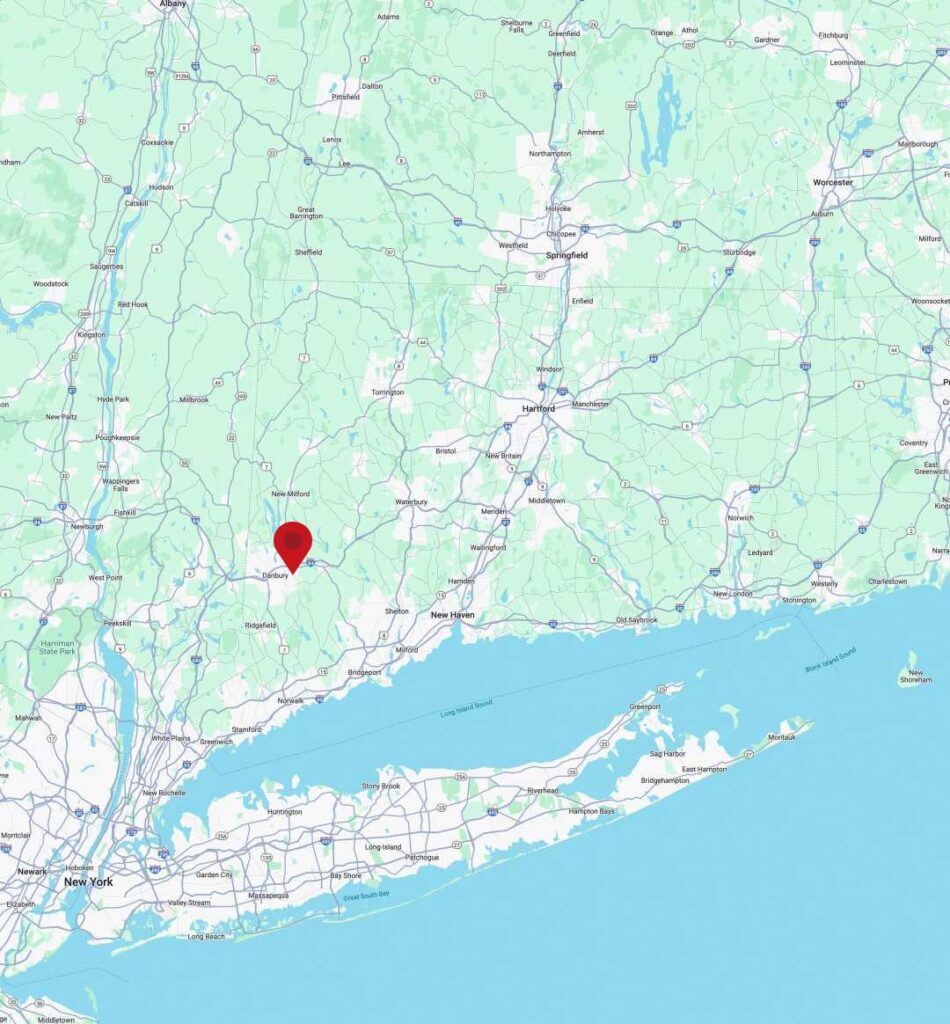
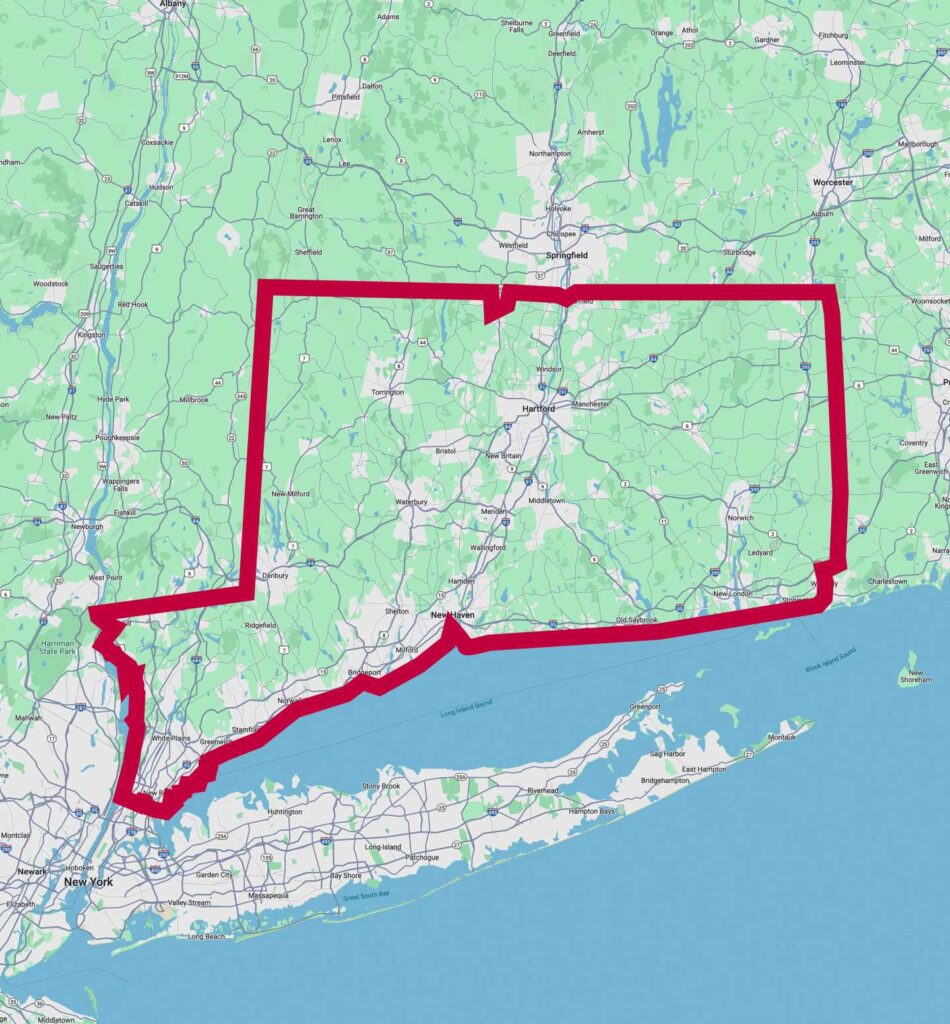
Local service matters because break room refreshment is ongoing. It is not a one-time purchase. Products need restocking, equipment may need attention, employee preferences change, and workplaces grow. A local provider understands the region, travel routes, service expectations, and common workplace settings in the area. For Connecticut and Upper Westchester County businesses, working with a local refreshment provider can make communication easier and service more dependable. That is especially important for facilities with multiple shifts, high traffic, or several refreshment areas.
Berkshire Food’s local approach
Berkshire Food is a family-owned and operated company serving workplaces across Connecticut and Upper Westchester County, NY. Since 1964, the company has supported local businesses with refreshment services that help improve employee break rooms. That experience matters because each workplace is different. Berkshire Food can help businesses review their space, understand employee needs, choose the right mix of services, and support the program over time.
Final Thoughts: A Better Break Room Creates a Better Workday
Break room refreshment services can make the workplace more convenient, more organized, and more employee-friendly. The best programs are not built around random products or one-size-fits-all packages. They are planned around the people who use the space every day. Coffee, water, snacks, vending, pantry items, and micro markets can all play a role, but the right mix depends on the workplace. When refreshment services are managed well, employees get easier access to the food and beverages they need, while internal teams spend less time handling break room problems.
Ready to improve your workplace break room? Contact Berkshire Food to start planning a refreshment program that fits your team.