
Traditional vending machines remain a practical workplace refreshment option, especially when businesses need packaged snacks and beverages in a compact footprint. However, they are not the only format available to New Haven employers. Some workplaces want a broader food selection, more refrigerated choices, employer-provided refreshments, or a more open shopping experience. These improvements can become valuable workplace amenities that support employee satisfaction and daily convenience. Others have limited room and need a compact workplace food option that can provide chilled meals and drinks without requiring a full market setup.
Micro markets, Smart Coolers, pantry programs, and grab-and-go food stations can each serve different needs. The right choice depends on available space, employee schedules, preferred products, and how employees use the break room throughout the day.
This guide explains the main vending machine alternatives available to New Haven workplaces and how employers can compare them without overcrowding the shared space.
Why Consider Alternatives to Traditional Vending?
Traditional vending works well for many workplaces because the products, payment point, and storage remain contained within one machine. However, some employers may want to offer more than packaged snacks and bottled drinks. Employees may also be looking for refrigerated meals, open product displays, pantry items, or refreshments that feel more integrated into the break room.
Vending machine alternatives can provide different levels of variety, convenience, and employer involvement. The goal is not to replace vending in every workplace. It is to identify whether another format, or a combination of formats, would better support the available space and daily employee routines.
Office Micro Markets Provide a More Open Shopping Experience
An office micro market creates a small self-service retail area inside the workplace. Instead of selecting products from behind a machine window, employees can browse open shelves, refrigerated cases, and other displays before completing checkout at a central kiosk.
This format can support a wider range of food options, including packaged snacks, cold beverages, sandwiches, salads, and other grab-and-go products. Businesses planning a workplace market can also explore micro market vending solutions to understand setup, space, and employee access considerations. It usually requires more dedicated space than traditional vending because employees need room to browse, open cooler doors, and reach the checkout point comfortably. New Haven employers considering this option can learn more about office micro markets and how they fit into workplace break rooms.
When a Micro Market May Fit
A micro market may suit a workplace with enough space for shelving, refrigeration, checkout equipment, and employee movement. It can also work well when employees use the break room at different times and want access to a broader product selection.
What Employers Should Review
Before planning a market, review wall space, floor space, electrical access, entrances, seating, and existing appliances. The market should not interfere with microwaves, coffee areas, sinks, or major walkways.
Smart Coolers Offer Refrigerated Food in a Compact Format
A Smart Cooler can provide chilled food and beverages through a smaller refrigerated self-service unit. This can be useful for workplaces that want more than shelf-stable vending items but do not have enough room for a complete micro market.
The product range may include drinks, sandwiches, salads, snacks, or other refrigerated grab-and-go choices, depending on the proposed setup. Because the products remain inside one cooler, the format can be easier to place in a smaller break room or shared employee area. New Haven businesses should still review electrical access, door clearance, employee traffic, and the payment process connected to the specific equipment being considered.
Grab-and-Go Meals Can Expand Workplace Food Choices
Grab-and-go meals give employees access to food that requires little preparation during the workday. These options may include sandwiches, wraps, salads, breakfast items, or other refrigerated selections that employees can take to a table or prepare using available break room equipment.
The appropriate product mix depends on employee schedules and workplace routines. A traditional daytime office may see the most demand around lunch, while a facility with varied shifts may need food available across a wider range of hours. Employers should avoid adding more products than the available refrigeration can support. A focused, well-organized selection is often more useful than a crowded display with too many similar choices. Businesses can also review different office snack ideas when planning a workplace refreshment program that matches employee preferences.
An Office Pantry Program Can Provide Employer-Supported Refreshments
An office pantry program allows the employer to provide selected snacks, beverages, coffee-related items, or other everyday refreshments directly to employees. Unlike vending or a self-checkout market, employees generally do not purchase each item individually at the point of use.
This can be a suitable option for workplaces that want to make specific products available as part of the employee experience. The program should be planned around workplace size, expected use, storage capacity, and the items employees are most likely to need. New Haven employers can review office pantry service when considering an employer-supported alternative to individually purchased vending products.
Self-Service Retail Options Can Combine Convenience and Variety
Self-service retail options cover several workplace formats, including micro markets, kiosk-based food areas, and refrigerated coolers. What they share is the ability for employees to select refreshments without waiting for a cashier or leaving the workplace.
The shopping and payment experience can vary depending on the equipment installed. Some setups use a central self-service kiosk, while others connect checkout directly to a refrigerated unit. Businesses evaluating these formats can learn more about how micro market kiosks support self-service workplace shopping experiences. Employers should confirm available payment methods, product identification, equipment requirements, and employee instructions before installation. The checkout process should feel simple, but the surrounding layout is equally important. Employees need enough room to browse, pay, and move away without blocking others.
Office Cafeteria Alternatives Can Work Without a Full Kitchen
A traditional office cafeteria may require dedicated space, food preparation areas, seating, staffing, and ongoing operational management. Many workplaces do not have the room or need for that type of setup, but they may still want to provide more substantial food choices than standard vending.
Micro markets, Smart Coolers, pantry programs, and refrigerated grab-and-go displays can serve as office cafeteria alternatives without recreating a full-service dining operation. These options can provide varying levels of food access while using an existing break room or shared employee space. The best approach depends on workforce size, operating schedule, room layout, and the amount of food variety the employer wants to offer.
Comparing Workplace Food Options
Each refreshment format offers a different balance of space, product access, and employer involvement. Traditional office vending machines can remain a strong option where businesses need a compact and familiar setup. A micro market may provide greater variety, while a Smart Cooler can focus on refrigerated items within a smaller footprint. Pantry service creates an employer-supported program rather than an employee-purchase model.
New Haven employers should compare the complete experience rather than choosing based only on equipment appearance. Consider how employees find products, whether payment is required, how much room the format needs, and which foods or beverages the workplace wants to make available.
| Option | Typical Format | Space Consideration | Employee Experience |
| Traditional vending | Enclosed machines | Compact footprint | Select and pay at each machine |
| Micro market | Open shelves, coolers, and kiosk | Requires browsing and checkout space | Browse products before paying |
| Smart Cooler | Refrigerated self-service unit | More compact than a full market | Select chilled products from one unit |
| Office pantry | Employer-provided products | Needs organized storage and display space | Employees access selected items directly |
| Grab-and-go station | Refrigerated food display | Depends on cooler and product range | Quick access to meals and snacks |
How to Select the Right Option for a New Haven Workplace
The right workplace food option should fit both the physical room and the way employees use it. Begin by reviewing how many people use the break room, when traffic is highest, and which refreshments are currently unavailable. Employers should also consider whether they want employees to purchase products, receive employer-provided items, or use a combination of both.
Space is another important factor. Open markets need room for browsing and checkout, while compact vending or refrigerated equipment may fit more easily into a smaller area. The selected format should leave entrances, seating, countertops, appliances, and main walkways clear during busy periods.
Workplace Size and Schedule
Larger teams or varied shifts may need greater product capacity and more flexible access. Smaller offices may benefit from a focused selection rather than a large setup.
Available Break Room Space
Measure usable floor, wall, and counter space. Do not include areas required for walking, opening doors, reaching appliances, or using seating.
Food and Beverage Priorities
Identify whether the workplace mainly needs snacks and drinks, refrigerated meals, employer-supported pantry items, or a broader combination.
Purchasing Model
Decide whether employees will purchase items themselves, the employer will provide them, or different services will use different models.
Combining Vending With Other Refreshment Services
Choosing a vending alternative does not always mean removing existing vending machines. A workplace may use different formats together when they support separate needs. For example, traditional vending could provide packaged snacks and drinks in one area, while a Smart Cooler offers refrigerated food elsewhere.
A larger New Haven workplace might combine a micro market with coffee or drinking water service. A smaller office may pair a pantry program with one compact refrigerated unit. The key is to avoid unnecessary duplication and keep the break room easy to use. Each service should have a clear purpose and fit comfortably within the available space.
Planning Better Food Access for a New Haven Team
A workplace refreshment program should make food and beverages easier to access without making the break room harder to navigate. Employers can begin by reviewing the room, employee schedules, current refreshments, and the type of purchasing experience they want to provide. Businesses looking for workplace refreshment services in New Haven, CT can explore solutions designed around their break room space, employee needs, and preferred food access options.
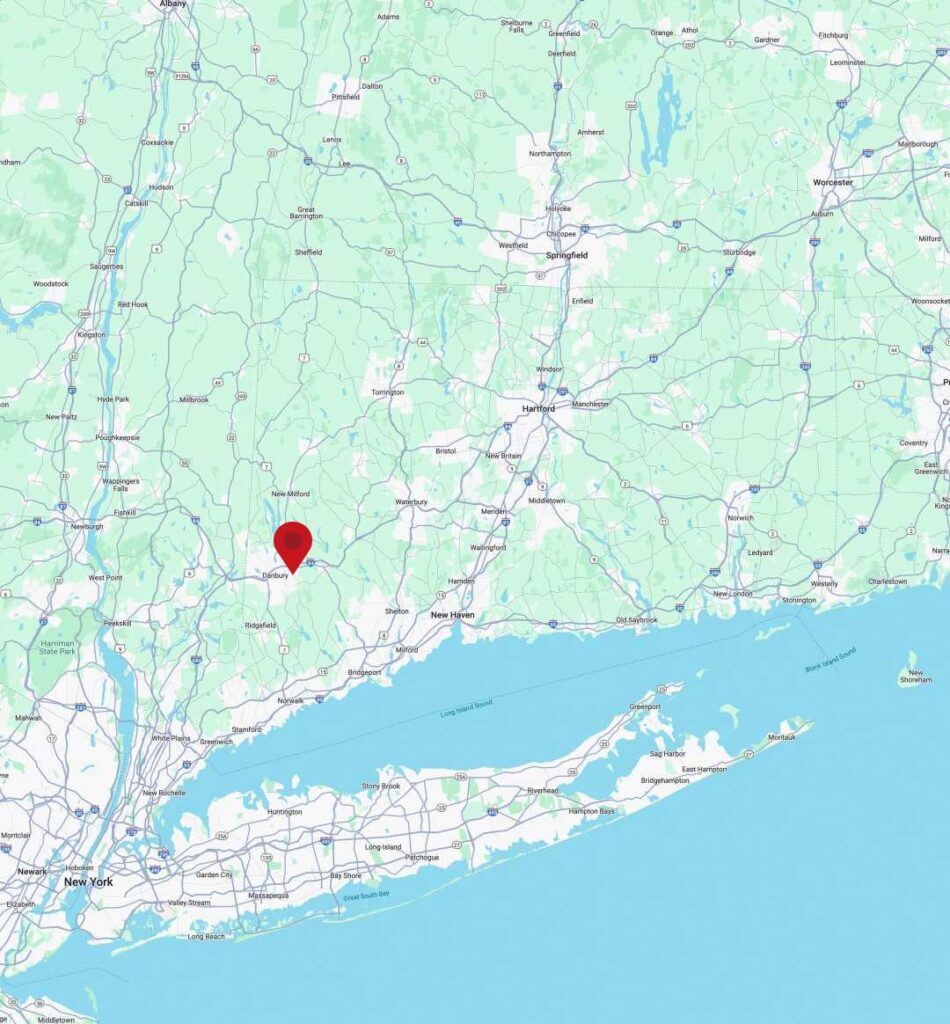
Berkshire Food offers coffee, vending, micro markets, Smart Coolers, water, and pantry services for workplaces across Connecticut and Upper Westchester County, NY. New Haven businesses can contact the team to discuss their current break room and compare practical vending machine alternatives based on available space and employee needs.
Frequently Asked Questions
There is no single best alternative for every workplace. A micro market may suit a larger break room that needs more product variety, while a Smart Cooler can provide refrigerated food in a more compact format. Pantry service may work when an employer wants to provide selected refreshments directly. The right option depends on space, workforce schedules, and the preferred food and beverage program.
A smaller office may be able to offer grab-and-go meals if there is suitable refrigerated space and enough room for employees to access products safely. A Smart Cooler or compact refrigerated display may be more practical than a full micro market. Employers should also consider expected demand so the product selection remains appropriate for the size of the team.
A micro market is a self-service retail area with shelves, refrigerated displays, and checkout equipment. It does not operate like a staffed cafeteria with a kitchen and prepared-food counter. A micro market can provide snacks, beverages, and grab-and-go meals without requiring the space or operational structure of a traditional cafeteria.
Yes. The two formats may be used together when they provide different products and the room has enough space. Vending machines can offer packaged snacks and beverages, while a Smart Cooler focuses on refrigerated food and drinks. Employers should ensure the combined equipment does not block seating, walkways, or other shared break room features.
No. Self-service retail formats allow employees to select products and complete checkout without a cashier stationed in the break room. The exact process depends on the equipment installed. Employers should confirm how products are identified, which payment options are supported, and what instructions employees will receive.
No. An office pantry generally provides employer-funded snacks, beverages, or other selected items that employees can access directly. A micro market usually follows an employee-purchase model with open product displays and self-service checkout. A workplace may choose either format or combine elements of both depending on its goals.
Employers should review cooler capacity, available space, employee schedules, likely demand, and the types of meals or snacks employees may use. The refrigerated selection should fit the equipment and remain easy to browse. Businesses should also avoid overcrowding the cooler with more products than the workplace is likely to need.
Start by documenting employee numbers, work schedules, break room dimensions, current equipment, and the food and beverages employees currently access off-site. The business should also decide whether products will be employer-provided, employee-purchased, or offered through a combination. These details can support a more focused discussion with a workplace refreshment provider.