
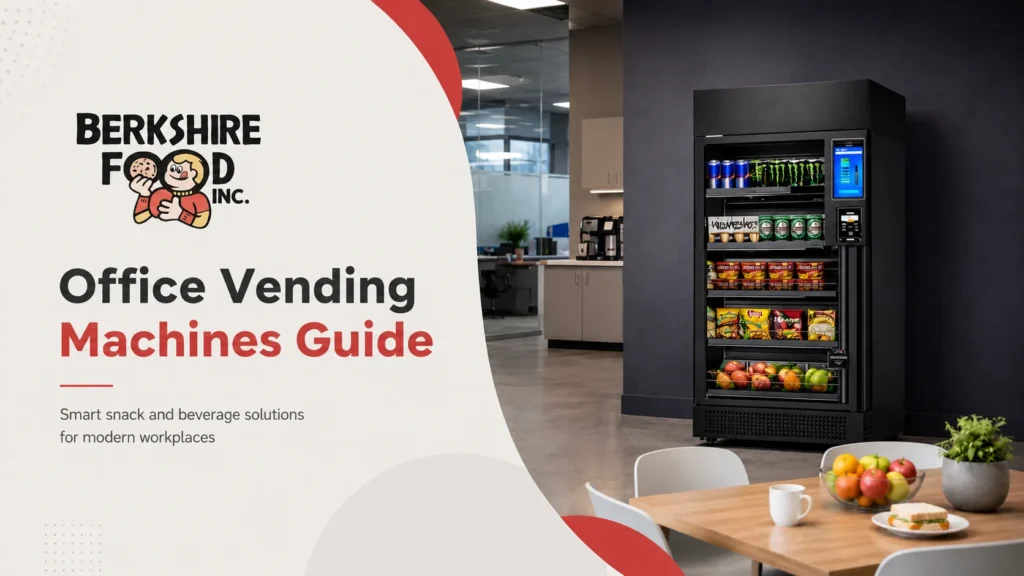
Office vending machines have changed a lot over the years. They are no longer just basic snack machines sitting in the corner of a break room. Modern workplace vending setups can include snacks, cold beverages, better-for-you options, cashless payments, reliable stocking, and service support that helps employees get the nourishment they need during the workday.
For many businesses, break room vending upgrade is one of the simplest ways to improve workplace convenience. Employees can grab a drink before a meeting, pick up a snack during a short break, or access refreshments during early, late, or overnight shifts without leaving the building.
This guide explains how office vending machines work, what types of workplaces use them, how they compare with other break room services, and what employers should consider before choosing a vending machine service.
What Are Office Vending Machines?
Office vending machines are workplace refreshment machines that provide employees, visitors, and staff with convenient access to snacks, beverages, and quick food options. They are usually placed in break rooms, employee lounges, lobbies, warehouses, production areas, or shared facility spaces where people need easy access during the day. A managed vending program typically includes equipment placement, product stocking, payment technology, maintenance support, and product updates based on usage. For businesses that want a practical and familiar refreshment solution, vending is often one of the easiest services to introduce.
A simple workplace refreshment solution
The main value of vending is convenience. Employees do not need to leave the workplace for a quick snack or drink, and staff do not have to manage snack and beverage inventory. A vending provider helps keep the machines stocked and operating, which makes the program easier for HR teams, office managers, and facilities teams to manage.
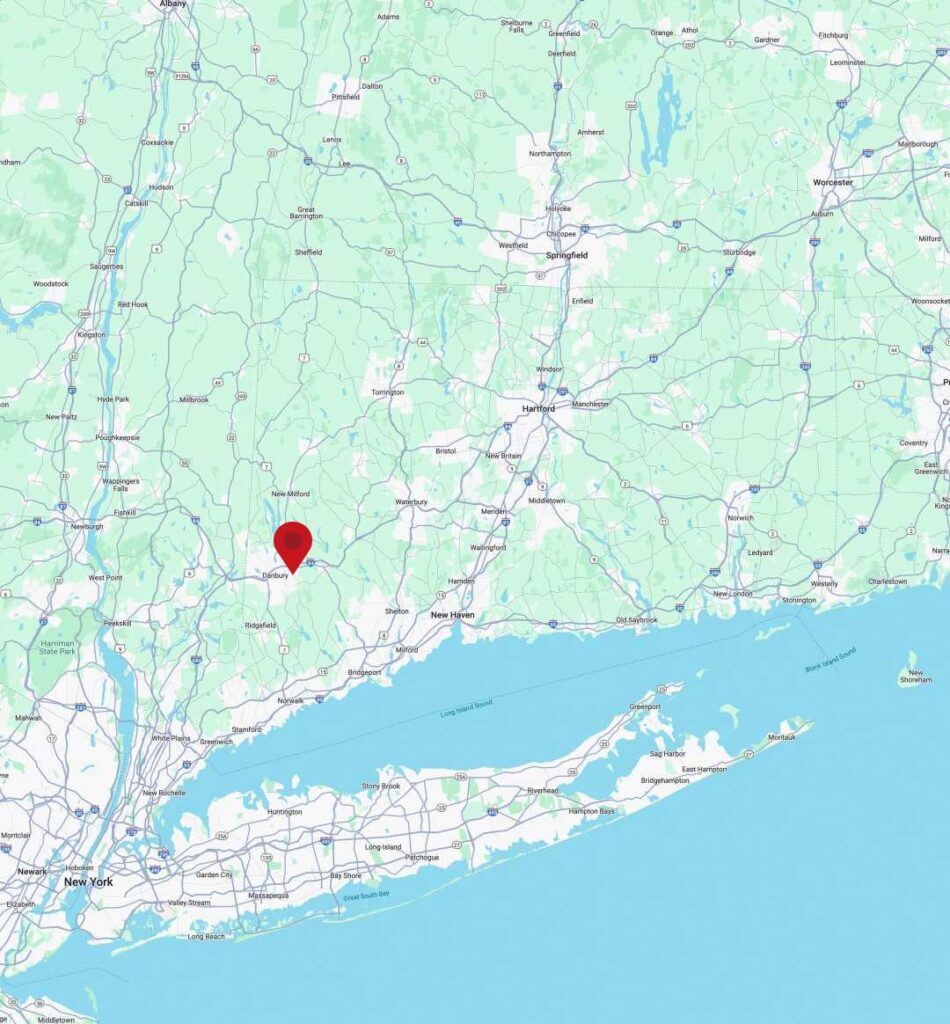
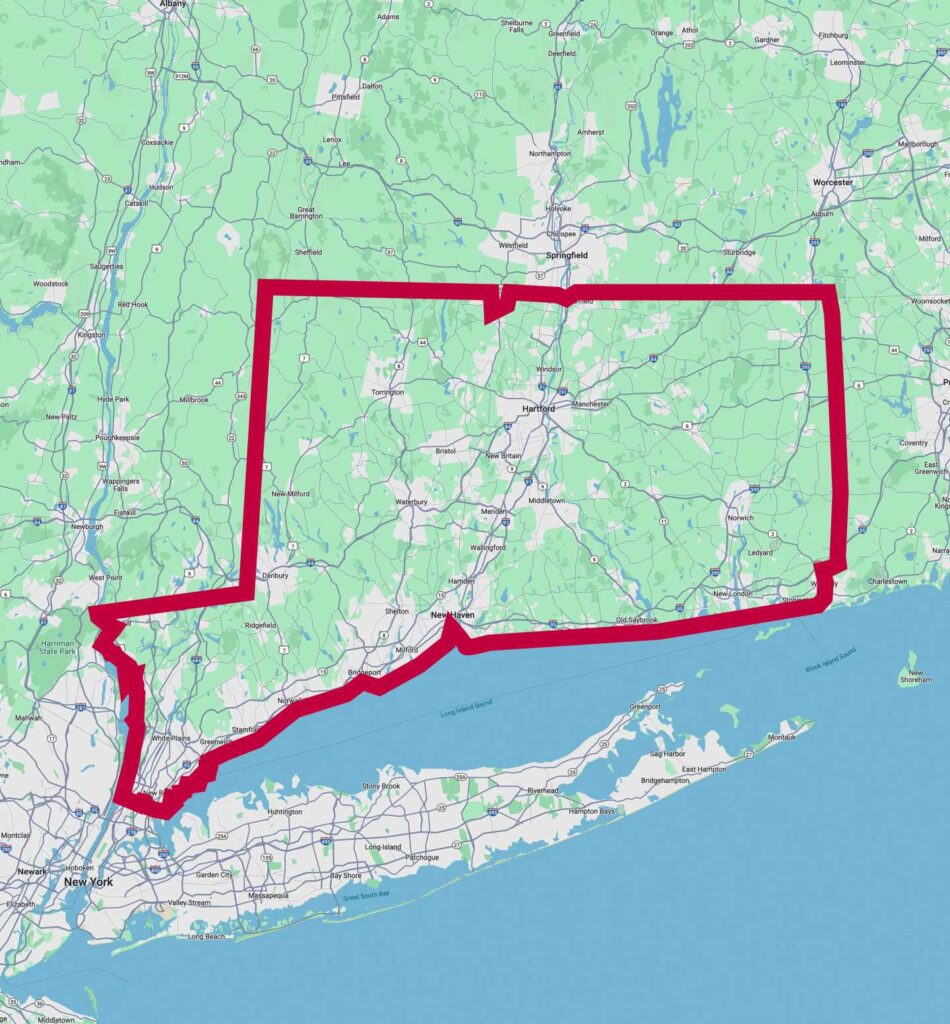
Berkshire Food provides office vending machines for workplaces that want reliable snack and beverage access with local service support across Connecticut and Upper Westchester County, NY.
How Office Vending Machine Service Works
A vending machine service is more than placing a machine in a hallway. A good program starts by reviewing the workplace, understanding employee needs, choosing the right equipment, selecting the right product mix, and setting a service plan that keeps the machines stocked. This process matters because the workplace has different refreshment needs. A small office may need one snack machine and one beverage machine, while a warehouse or manufacturing site may need multiple machines serving different shifts. The goal is to make vending easy for employees and low-maintenance for the business.
The basic vending service process
A typical vending program usually follows a simple path. First, the provider reviews the space, employee count, break schedule, and refreshment goals. Then they recommend the right machines and product mix. Once the machines are installed, the provider stocks them and monitors service needs over time.
The most important parts of a strong vending program are reliable restocking, clean equipment, product variety, and responsive service. If machines are frequently empty or products do not match employee preferences, the program will not feel useful for long.
Why Businesses Use Office Vending Machines
Businesses use vending machines because they solve a practical workplace problem: employees need quick access to snacks and drinks. In many locations, nearby food options are limited, breaks are short, or employees work schedules that do not match restaurant hours. Vending gives people access to refreshments directly inside the workplace. These office vending machine benefits include reducing off-site trips, improving break room convenience, and making refreshments easier to access during the day. For employers, vending is a familiar, space-efficient way to improve the break room without creating a full cafeteria or foodservice operation.
Convenience during the workday
One of the biggest reasons vending machines work so well is that it fits naturally into the workday. Employees can use the machines before a meeting, during a short break, between shifts, or when they need a quick drink. This is especially helpful in workplaces where leaving the property takes too much time.
Vending also supports visitors, contractors, delivery drivers, and staff who may not have easy access to food or drinks during their time on-site.
Support for different schedules
Many workplaces do not operate on a simple 9-to-5 schedule. Warehouses, distribution centers, healthcare settings, manufacturing plants, and schools often have early mornings, long shifts, or staggered breaks. In these settings, vending machines can provide access when outside options are closed or inconvenient. That makes vending a practical solution not only for office workers, but also for active teams, shift workers, and employees who need quick access during limited break times.
Types of Office Vending Machines
Choosing between the different types of office vending machines starts with understanding what employees need most.Some workplaces need snacks. Others need cold drinks, water, energy drinks, or a mix of products. Larger facilities may need more than one machine in different areas. A good provider should recommend equipment based on workplace layout, usage, employee count, and product demand. The purpose is to install the right equipment for the workplace. Snack vending machines
Snack vending machines are commonly used in offices, schools, warehouses, medical facilities, and shared employee areas. They can include chips, crackers, cookies, protein bars, candy, nuts, granola bars, and better-for-you snacks.
The best snack vending machines offer a mix of familiar favorites and more balanced options. Employees have different preferences, so variety matters. A machine that only carries one type of snack may not serve the full team well.
Beverage vending machines
Beverage vending machines provide cold drinks such as bottled water, sparkling water, soda, iced tea, sports drinks, juices, and energy drinks. These machines are especially useful in workplaces where employees are active, on their feet, or working long shifts.
Beverage vending can also support hydration goals when water and lower-sugar options are included. For workplaces that want a stronger hydration program beyond vending, office water service can be a helpful addition.
Combination vending machines
Combination vending machines include both snacks and drinks in one unit. They can be useful for smaller offices or locations where space is limited. While they may not offer as much variety as separate snack and beverage machines, they can still provide a practical refreshment option for lower-traffic workplaces.
The right choice depends on available space, employee count, and how often people are likely to use the machine.
What Products Should Go in Office Vending Machines?
Product selection plays a major role in the success of a vending program. A machine may look modern and work well, but if employees do not like the products, usage will stay low. Reviewing the available office vending machine products can help employers balance popular snacks, cold beverages, healthier items, and workplace favorites. It should also be reviewed over time. What works in a corporate office may not work in a manufacturing facility. What works for day-shift employees may not work for overnight teams. A good vending service should be flexible enough to adjust based on real demand.
Balancing popular and better-for-you options
Most workplaces need a mix of products. Employees may want chips, candy, and soda, but they may also appreciate water, protein bars, nuts, trail mix, granola, baked snacks, and lower-sugar drinks. The goal is not to remove classic vending items , but to include healthy office vending options that give employees more choices without eliminating familiar favorites. This helps to provide enough variety so different employees can find something that fits their preferences.
A vending machine with a balanced product selection supports everyday convenience without feeling limited or outdated.
Office Vending Machines vs. Micro Markets
Office vending machines and micro markets both improve workplace refreshment access, but they serve slightly different needs. Vending machines are compact, secure, familiar, and easy to place in many workplace settings. Micro markets offer a larger self-service shopping experience with open shelves, coolers, fresh food, and a kiosk checkout system. The right option depends on employee count, available space, budget, product variety, and the type of break room experience the business wants to create. Some workplaces use vending only, while others use vending alongside a micro market.
Simple comparison for employers
| Feature | Office Vending Machines | Office Micro Markets |
| Space needed | Smaller footprint | Larger break room space |
| Product access | Items dispensed from machines | Open shelves and coolers |
| Product variety | Snacks and beverages | Snacks, drinks, fresh food, meals |
| Best for | Compact refreshment access | More complete food market experience |
| User experience | Quick and familiar | More like a small convenience store |
For businesses that need fresh food, open shelving, and a broader product selection, office micro markets may be a better fit. For workplaces that need a compact, reliable snack and beverage option, vending machines are often the easier starting point.
Office Vending Machines vs. Office Pantry Service
Vending and pantry service can both improve the break room, but they work differently. Vending machines allow employees to purchase snacks and drinks on their own. Office pantry service usually provides employer-paid snacks, beverages, and supplies that employees can access as a workplace perk. One is more purchase-based, while the other is more benefit-based. When comparing office vending with other workplace refreshment solutions, a company should consider its budget, workplace culture, employee expectations, and preferred level of control over product selection.
When pantry service makes more sense
Office pantry service may be a better fit when a company wants to offer snacks and beverages as part of its employee benefits or workplace culture strategy. This can be useful for companies focused on recruitment, retention, or employee appreciation.
For workplaces that want to provide snacks directly rather than sell them through machines, office pantry service can support a more open and perk-driven break room experience. Vending is still a strong choice when the business wants employees to purchase items individually.
Where Office Vending Machines Work Best
Office vending machines work well in many business settings because they are flexible, compact, and familiar to employees. They can support workplaces with traditional office schedules, high-traffic facilities, shift-based teams, or limited food access nearby. The key is choosing the right setup for the environment. A corporate office may need a polished snack and beverage area near meeting rooms. A warehouse may need machines near employee entrances or shift break areas, while industrial vending solutions can help facilities plan around the demands of different work schedules. A medical facility may need options available for long days and irregular staff schedules.
Common workplace settings
Vending machines are often a good fit for corporate offices, warehouses, manufacturing plants, schools, medical facilities, distribution centers, hospitality locations, and multi-tenant buildings. They can also work well in smaller businesses that do not have enough space for a larger break room program.
The best placement is usually where employees naturally gather or pass through during breaks. If machines are hidden in low-traffic areas, employees may not use them as often. Visibility, access, and convenience all matter.
Modern Payment Options and User Experience
The vending experience should feel easy for employees. Older machines that only accept limited payment methods can frustrate users, especially in workplaces where employees do not carry cash. Modern vending machines can support more convenient payment options depending on equipment and setup. Because employees often use vending machines during short breaks, the payment experience should be fast and effortless If checkout is slow or inconvenient, the machine becomes less useful. A good vending program should make product selection and payment simple, clear, and quick.
Why ease of use matters
Vending machines are meant to save time. Employees should be able to choose a product, pay, and return to their day without confusion. Clear product displays, reliable machine function, easy payment, and properly stocked shelves all affect the user experience.
Modern vending services should also consider machine cleanliness, product visibility, and how easy it is for employees to report problems. These small details shape whether people actually trust and use the machines.
Stocking, Maintenance, and Service Support
A vending program is only as good as the service behind it. Empty machines, expired products, payment issues, and slow maintenance can quickly make employees lose confidence in the break room. That is why stocking and maintenance are central to a successful vending machine service. When evaluating managed vending services, businesses should ask how often machines are restocked, how product demand is tracked, how equipment issues are handled, and whether product selections can be adjusted. The purpose is to keep vending reliable without adding more work to internal staff.
What good service should include
Good vending service should include regular restocking, product rotation, machine cleaning, payment support where available, and responsive maintenance. It should also include communication with the business so product needs and usage patterns can be reviewed over time.
A provider should not treat vending as a one-time installation. As workplaces evolve and employee preferences change, vending programs should evolve as well. A useful vending program should be managed and adjusted, not ignored after setup.
How to Choose the Best Office Vending Machine Service
Choosing a vending provider should not be based only on machine appearance or product list. The right provider should understand your workplace, recommend the right equipment, stock products employees will use, and provide dependable local service. Employers should also think about how vending fits into the larger break room experience. Some workplaces only need vending. Others may need vending plus coffee, water, or a larger market-style refreshment program. The best provider helps you choose what makes sense instead of pushing the same setup for every location.
Questions to ask before getting started
Before choosing a vending service, it helps to ask a few practical questions: How many people will use the machines? Where will the machines be placed? Do employees need snacks, drinks, or both? Are there multiple shifts? Do employees want healthier options? Who will handle service issues? How often will machines be stocked?
These questions help match the service to the workplace. They also prevent common problems, such as installing too few machines, choosing the wrong products, or placing machines where employees rarely go.
How Vending Fits Into a Complete Break Room Program
Vending machines can work on their own, but they can also be part of a larger break room strategy. A workplace may start with vending and later add coffee, water, pantry items, or a micro market as the team grows. The right mix depends on employee needs and company goals. A business with short breaks may value vending most. A company focused on employee perks may want pantry service. A larger facility may need vending in one area and a micro market in another. The focus is on to build a refreshment setup that fits the actual workplace.
For many companies, coffee is another natural part of the break room. A vending setup can cover snacks and drinks, while office coffee service supports morning routines, meetings, and daily beverage needs. Together, these services can create a more useful employee space without turning the break room into a complex operation.
Why Choose Berkshire Food for Office Vending Machines?
Berkshire Food is a family-owned and operated workplace refreshment provider serving businesses across Connecticut and Upper Westchester County, NY. Since 1964, Berkshire Food has helped workplaces improve break rooms through vending machines, micro markets, office coffee service, office water service, and pantry service. That local experience matters because successful vending is about much more than the equipment. It depends on reliable stocking, product selection, responsive service, and understanding how different workplaces operate. A warehouse, office, school, and medical facility may all need different vending solutions.
Local service for Connecticut workplaces
Berkshire Food helps businesses choose vending solutions based on space, employee count, break schedules, and product preferences. The goal is to keep workplace refreshments easy to access and simple to manage.
For employers, this means fewer internal break room tasks and a more dependable experience for employees. Instead of dealing with empty machines or product complaints alone, businesses can work with a local provider that understands workplace refreshment service.
Final Thoughts: Are Office Vending Machines Worth It?
Office vending machines are worth considering for businesses that want a practical, familiar, and space-efficient way to improve workplace refreshments. They give employees quick access to snacks and beverages, support different schedules, reduce off-site trips, and make break rooms more useful. The best vending programs are not random machines filled with random products. They are planned around employee needs, workplace traffic, product demand, and dependable service. When vending is managed well, it becomes a simple but valuable part of the employee experience.
Ready to improve workplace snack and beverage access? Contact Berkshire Food to start planning a vending solution for your Connecticut workplace.
Frequently Asked Questions
Office vending machines are workplace machines that provide employees and visitors with convenient access to snacks, beverages, and quick refreshment options inside the office or facility.
Vending machine service may include equipment placement, product stocking, payment support, product rotation, machine maintenance, and ongoing service based on workplace needs.
Yes. Office vending machines can work well for small businesses because they are compact, familiar, and easier to manage than larger foodservice options.
Office vending machines can include snacks, candy, chips, crackers, protein bars, bottled water, soda, tea, juices, sports drinks, and better-for-you options.
Restocking frequency depends on employee count, machine usage, product demand, and workplace schedule. A provider can adjust service based on how quickly products sell.
Vending machines dispense products from secure machines, while micro markets use open shelves, coolers, and a self-checkout kiosk. Micro markets usually offer more variety and fresh food options.
Yes. Many office vending programs can include healthier snacks, water, lower-sugar beverages, protein bars, nuts, granola, and other better-for-you options.
Yes. Berkshire Food provides office vending machines and workplace refreshment solutions for businesses across Connecticut and Upper Westchester County, NY.