
Choosing an office vending machine involves more than finding an available corner in the break room. The right equipment should fit the number of employees using it, the products they want, the space available, and the way breaks are scheduled throughout the day. A machine that works well in a small professional office may not provide enough capacity for a busy warehouse, medical facility, or workplace with multiple shifts.
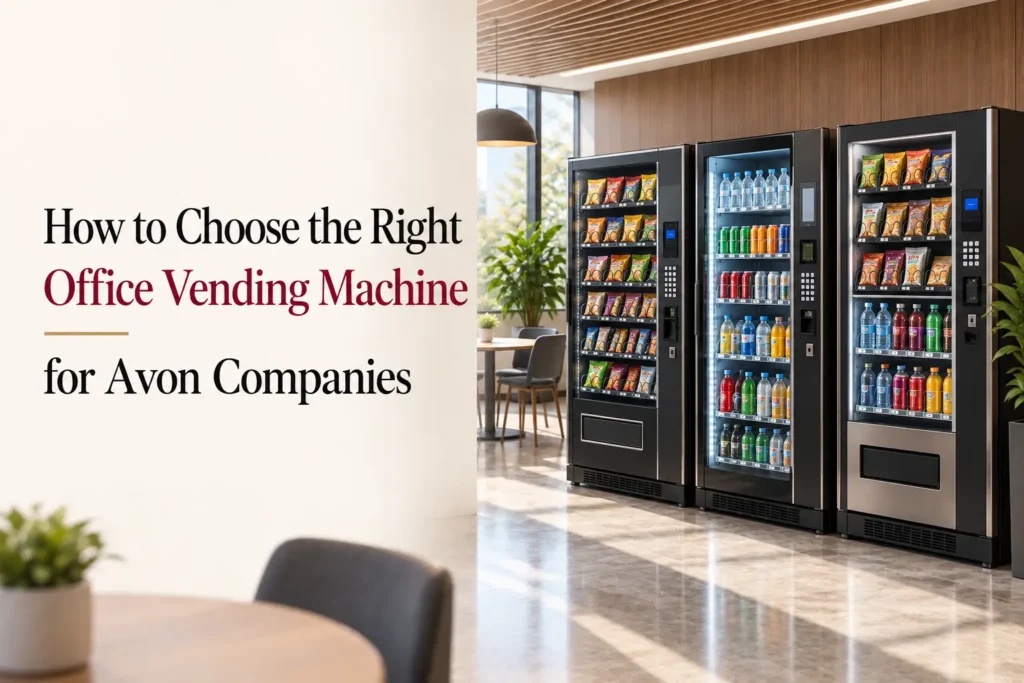
Avon companies can choose from several types of vending machines, including snack, beverage, and combination units. Each option serves a different purpose. Employers should consider employee needs, available space, and expected demand before choosing equipment that may be too large, too limited, or poorly suited to the workplace.
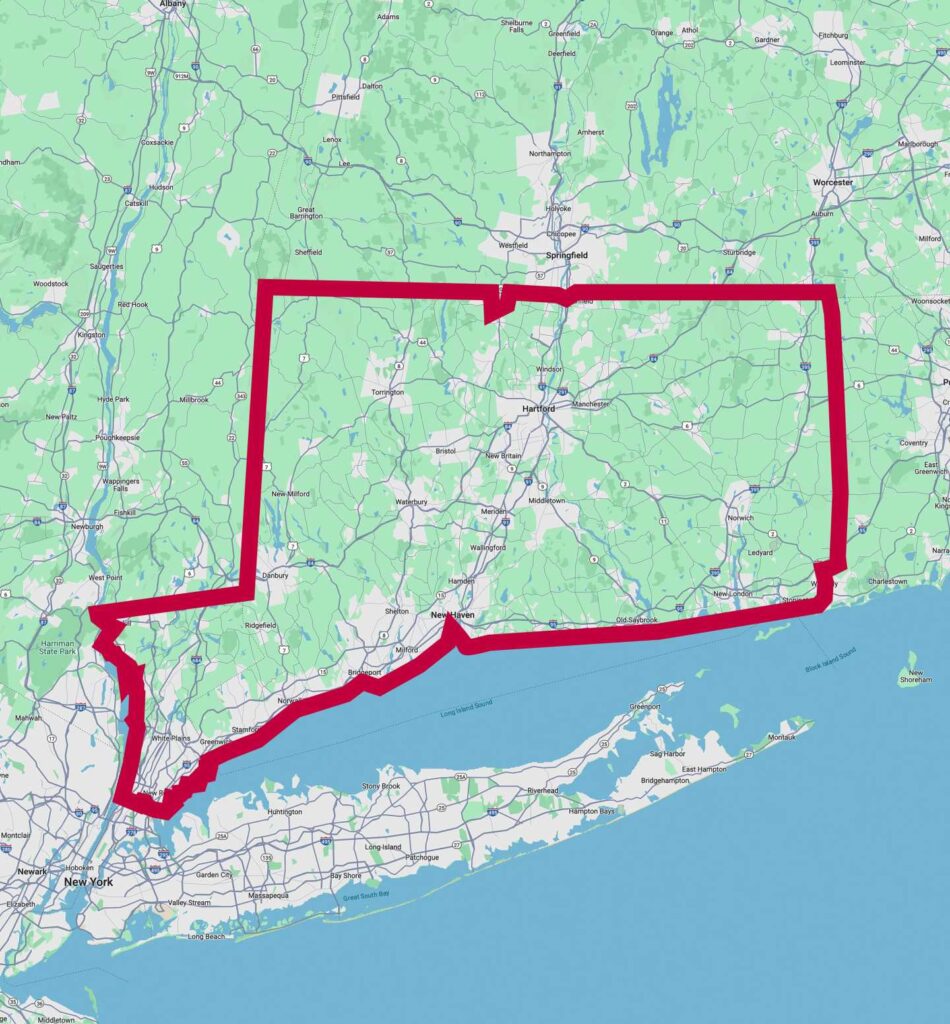
Businesses considering workplace refreshment services in Avon, CT should begin by reviewing employee needs, available space, daily traffic, and the refreshment options already provided.
Understanding the Main Types of Office Vending Machines
The most common types of office vending machines are snack machines, beverage machines, and combination machines. Some workplaces use one machine, while others need separate units for food and drinks. The right choice depends on how many people use the machine, what they want to buy, the size of the break room, and how often it can be restocked.
The right vending setup gives employees useful choices without taking up more space than necessary. Employers should consider current needs as well as future changes, such as team growth, additional shifts, or increased use of the break room.
Snack Vending Machines
A snack vending machine is designed primarily for packaged foods that can be stored at room temperature. Typical selections may include chips, crackers, cookies, candy, granola bars, nuts, trail mix, protein bars, and other individually packaged items. Product selection can be adjusted to include familiar favorites alongside more balanced choices.
Snack machines are useful in offices where employees want quick access to something between meals or during a short break. They can also serve facilities where nearby food choices are limited or employees do not have enough time to leave the property.
When a Snack Vending Machine Makes Sense
A dedicated snack machine can work well when employees already have access to water, coffee, or beverages elsewhere in the workplace. It also works well when employees want more snack choices than a combination machine can provide.
Businesses with larger teams may prefer a full-size snack machine because it holds more individual products and offers greater variety. This helps keep popular items in stock between service visits.
What to Consider When Selecting Snacks
Product variety can affect how often employees use the machine. A useful selection should account for different tastes rather than relying entirely on candy and chips. A balanced selection of office vending machine products can include nuts, granola, protein bars, baked snacks, and lower-sugar choices alongside traditional favorites.
Employee preferences change, and the selection should be reviewed over time. If certain products sell quickly while others remain untouched, the mix can be adjusted to use the available space more effectively. A managed vending provider can use purchasing patterns and employee feedback to refine the selection.
Beverage Vending Machines
A beverage vending machine keeps bottled or canned drinks cold and available throughout the workday. Depending on the workplace, selections may include bottled water, sparkling water, soda, iced tea, juice, sports drinks, energy drinks, and lower-sugar beverages.
Drink vending machines are especially useful in workplaces where employees are active, work long hours, or need refreshment access across several shifts. They can also give visitors, contractors, and staff another convenient option when nearby stores are not easily accessible.
When a Beverage Vending Machine Is the Better Choice
A separate beverage machine makes sense when cold drinks are in steady demand or when a combination unit would not hold enough inventory. Warehouses, manufacturing facilities, distribution centers, medical settings, and larger offices may need more beverage capacity because drinks are purchased frequently throughout the day.
A dedicated unit also gives the provider more room to offer different package sizes and beverage categories. Employers can create a balanced selection that includes water and lower-sugar drinks alongside popular traditional choices.
Beverage Demand and Workplace Hydration
A beverage machine may not meet every hydration need on its own. Workplaces with active teams or high water consumption may benefit from pairing vending with a dedicated water station.
An office water service can provide regular access to filtered drinking water, while vending gives employees additional cold beverage choices. The two services can work together without filling the machine entirely with bottled water.
Combination Vending Machines
A combination vending machine provides snacks and drinks in a single unit. The machine usually includes shelves for packaged snacks and a refrigerated section for bottled or canned beverages. This option works well for smaller workplaces that want both snacks and drinks but have limited floor space.
Combination machines can also work well for companies introducing workplace vending for the first time. They require less space than two separate machines and place snacks and beverages in one easy-to-find location.
When a Combination Machine Works Best
A combination vending machine can work well in a small or moderately sized office with steady but limited traffic. It may also work well in a secondary break area where employees need convenient access, but demand does not justify two full-size machines.
The main limitation is capacity. Because one cabinet must hold both snacks and beverages, it usually offers fewer choices in each category than separate machines. Employers should consider whether saving space is more important than providing maximum variety.
When Separate Machines May Be More Practical
Separate snack and beverage machines can work better when many employees use the break room, popular products sell quickly, or the workplace operates across multiple shifts.
Greater capacity allows the provider to stock a wider range and reduces the risk of products selling out between visits. A workplace can also start with a combination unit and review usage after a few months.
If demand grows, the setup can be expanded with additional equipment rather than making assumptions at the beginning.
Comparing Office Vending Machine Types
The following comparison can help Avon businesses identify the type of equipment that best matches their workplace.
| Machine Type | Best Suited For | Main Advantage | Key Consideration |
| Snack vending machine | Offices with strong demand for packaged snacks | More snack variety and capacity | Beverages require another solution |
| Beverage vending machine | Workplaces with high beverage demand | Greater cold beverage selection | Requires suitable electrical access and floor space |
| Combination vending machine | Smaller offices and limited break room spaces | Snacks and drinks in one unit | Lower capacity in each category |
| Separate snack and beverage machines | Larger teams and high-traffic workplaces | More products and greater inventory | Requires more room than a single unit |
This comparison provides a starting point, but workplace traffic and employee preferences should guide the final decision. The complete office vending machine guide offers additional information about product selection, service support, payment methods, and the role of vending in a complete break room program.
Match the Machine to Your Employee Count and Schedule
Employee count is an important factor, but the number of people on payroll does not show how many will use the vending machine at a given time. Employers should consider how many people are present at the same time, when they take breaks, and whether the workplace has evening, overnight, or weekend shifts.
A small office with one daytime schedule may be served well by a combination machine. A larger company with staggered breaks may need separate snack and beverage units. A facility with several departments may need machines in more than one location so employees do not spend most of their break walking across the building.
Vending usage can also vary during the week. Hybrid offices may experience higher demand on certain days, while manufacturing and distribution facilities may have consistent traffic across several shifts may benefit from industrial vending solutions. These patterns should influence machine size, product capacity, and restocking frequency.
Review the Available Break Room Space
Before selecting equipment, businesses should review the intended location carefully. The area needs enough floor space for the machine, comfortable access for employees, suitable electrical access, and clear pathways around the equipment.
The machine should also be placed where employees can easily see and access it rather than hidden in a remote hallway. Break rooms, employee lounges, shared kitchens, and areas near time clocks may be appropriate depending on the facility.
The area should also allow for regular stocking, cleaning, and maintenance. Service personnel should be able to access the machine without disrupting normal workplace activity.
Consider Product Variety and Employee Preferences
The equipment determines how much can be stocked, while employee preferences should guide what goes into the machine. Before finalizing a program, employers can ask employees which snacks and drinks they would use most often. A short survey can reveal demand for classic snacks, healthy office vending options, lower-sugar drinks, sparkling water, energy products, and choices that suit specific dietary preferences.
The initial product selection should be a starting point. Sales patterns will show which products are popular and which should be replaced. Regular adjustments keep the selection useful and prevent valuable machine space from being occupied by items employees do not want.
Berkshire Food’s office vending machine service includes customizable product selection, allowing the mix to reflect the needs of different workplace settings.
Evaluate Payment Convenience
The purchasing process should be quick and straightforward for employees. Businesses should ask which payment methods are supported by the recommended machines and confirm that the setup fits how employees prefer to pay.
Payment reliability is also important. A modern machine can still create frustration if transactions regularly fail or problems are not addressed quickly. Employers should ask how payment concerns are reported and how the vending provider handles service issues.
Clear product displays, visible prices, reliable dispensing, and an easy payment process all contribute to a better user experience. These details are especially important when employees have limited break time.
Look Beyond the Equipment
Choosing the machine is only one part of the decision. The service behind the machine determines whether the program remains dependable after installation. Machines need consistent stocking, product rotation, cleaning, maintenance, and adjustments based on actual use.
Employers should ask how often the location will be serviced, how inventory needs are monitored, and who handles equipment problems. They should also confirm whether the product selection can change as employee preferences become clearer.
A vending program should reduce the workload for office managers and facilities teams. If internal employees must repeatedly report empty selections, expired products, or equipment problems, the service arrangement may need to be reviewed.
Think About Future Break Room Needs
A company’s refreshment needs may change as it grows. A combination machine may be enough initially, but additional employees or new shifts can increase demand. Choosing a provider that offers several workplace refreshment services can make it easier to add services as the company grows.
Some Avon companies may eventually add coffee, filtered water, pantry products, or a micro market. Others may continue using vending because it remains the most practical solution for their available space and workforce. Planning for possible growth helps prevent the break room from becoming overcrowded or undersupplied.
Common Mistakes to Avoid
A modern-looking machine may be appealing, but capacity, product fit, reliable payment, and ongoing service matter more for daily use. A polished machine filled with unwanted products will not improve the break room.
Another mistake is underestimating beverage demand. Drinks often require more capacity than employers expect, particularly in workplaces with long shifts or high employee traffic. A combination machine may look efficient but could need frequent restocking if cold beverages are especially popular.
Businesses should also avoid treating the first product selection as permanent. Employee preferences change, and actual sales data can show which products employees use most. Reviewing the program regularly helps keep it relevant.
Choosing the Right Vending Setup for an Avon Workplace
The right office vending setup should reflect the workplace rather than follow a standard formula. A small professional office may benefit from one combination vending machine. A larger company may need separate snack and beverage machines. A facility with several shifts or departments may need multiple refreshment points.
Berkshire Food can review employee count, break schedules, available space, product preferences, and expected usage before recommending equipment. This helps Avon companies choose a setup that provides useful variety while remaining practical to stock and maintain.
Plan Your Avon Office Vending Program
A reliable vending program can give employees convenient access to snacks and cold drinks without adding daily inventory tasks for the business. The process begins with choosing equipment that fits the workforce, available space, schedule, and expected demand.
Contact Berkshire Food to discuss snack, beverage, or combination vending machines for your Avon workplace and request a customized vending consultation.
Frequently Asked Questions
The main types are snack vending machines, beverage vending machines, and combination vending machines. Snack units focus on packaged foods, beverage units hold cold drinks, and combination machines provide both categories in one cabinet.
A combination machine can be a practical choice for a small office because it provides snacks and drinks while using less floor space than two separate machines. The company should still consider employee count, how often the machine will be used, and whether the unit offers enough capacity.
Beverage vending machines and drink vending machines generally refer to the same type of equipment. Both are designed to keep bottled or canned drinks cold and available for purchase.
Separate machines are usually more suitable when the workplace has a larger team, high daily traffic, several shifts, or strong demand for both snacks and drinks. They offer more capacity and product variety than a combination unit.
Product selection can be planned around employee preferences, workplace needs, and actual purchasing patterns. The mix can include traditional snacks, better-for-you choices, bottled water, soda, juices, energy drinks, and other suitable products.
Space requirements depend on the machine model. The selected area should provide sufficient room for the equipment, employee access, stocking and maintenance, electrical access, and safe movement around the machine.
The appropriate service schedule depends on employee count, product capacity, and purchasing volume. A managed provider should monitor demand and establish a restocking schedule that reduces empty selections and keeps products properly rotated.
The company should review employee count, shift schedules, available space, desired product variety, beverage demand, and future growth. A local workplace refreshment provider can assess these factors and recommend an appropriate machine or combination of machines.