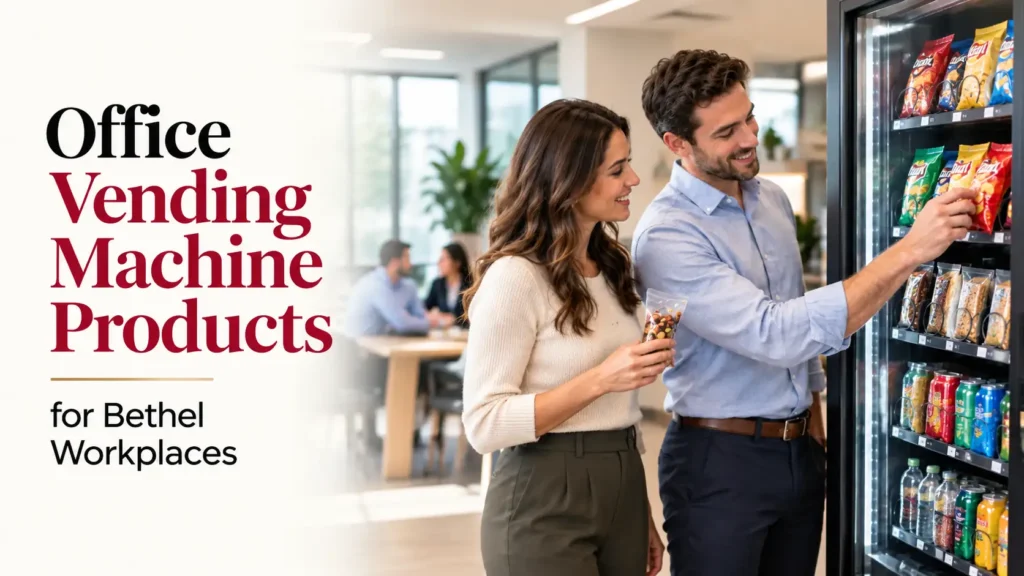
An office vending machine can be much more useful than a machine filled with the same chips, candy bars, and soda found everywhere else. For businesses in Bethel, Connecticut, the right product mix can give employees convenient access to snacks and drinks while helping the break room better reflect the needs of the people who use it. The challenge is deciding what belongs inside the machine and how to create a selection that works for different employees, schedules, and workplace routines.
Employees have different tastes, dietary preferences, schedules, and reasons for using workplace vending. Someone may want a quick snack between meetings, while another employee may need a cold drink during a busy shift. A team working in a warehouse or manufacturing facility may have different needs from a professional office with employees spending most of the day at desks. That is why vending product selection should start with the workplace rather than with a generic list of popular products.
For a broader look at how workplace vending programs work, see Berkshire Food’s Office Vending Machine Services Guide. It provides additional context on how vending can support workplace convenience and give employees access to snacks and beverages during the workday.
Why Office Vending Machine Product Selection Matters
The products inside a vending machine directly affect whether employees continue using it. A machine can be clean, convenient, and well maintained, but if the selection does not match employee preferences, people may simply stop checking it. Good office vending machine products should provide a useful mix of familiar favorites and alternatives so different employees can find something they actually want.
A balanced selection can also make the break room more convenient. Employees may be able to grab a snack or drink without leaving the workplace, which is particularly useful when meetings, deadlines, customer responsibilities, or shift schedules make off-site trips inconvenient. Rather than trying to predict every individual preference, businesses should focus on creating enough variety to serve the most common needs within their workplace.
Convenience Should Guide the Product Mix
Think about what employees are likely to need during a normal workday. A morning employee may want coffee or a breakfast-oriented snack, while someone taking an afternoon break may prefer something salty, sweet, or more substantial. An employee working later in the day may want an energy drink or another convenient beverage.
The machine should support these everyday routines without trying to become a full cafeteria. The objective is to give employees practical choices at the moments when they are most likely to need them.
Variety Matters More Than Simply Adding More Products
A vending machine does not necessarily become better because it contains dozens of similar products. Ten different varieties of candy, for example, may not be as useful as a selection that includes salty snacks, sweet snacks, nuts, protein or granola bars, bottled water, soft drinks, flavored beverages, and other workplace favorites.
A broader category mix gives employees meaningful choices, and understanding the different types of office vending machines helps businesses plan that variety around actual machine capacity. This is especially important when machine space is limited and every product slot needs to serve a purpose.
Understand Employee Preferences Before Choosing Products
One of the most important parts of vending product selection happens before anything is stocked. Businesses should understand what employees actually want instead of relying entirely on assumptions about what people will purchase.
This does not need to become a complicated research project. A short employee survey, informal feedback, purchasing data, or conversations with office managers can reveal useful patterns. Over time, these insights can help a business build a vending selection that is more closely connected to actual demand.
Consider Employee Demographics and Preferences
Different teams can have very different purchasing habits. For example, one workplace may have strong demand for energy drinks, protein snacks, flavored beverages, and newer packaged products, while another may have greater demand for bottled water, coffee, traditional chips, crackers, and familiar soft drinks.
These are only starting points. Employee behavior should ultimately determine what stays in the machine. A product that sells quickly in one Bethel workplace may receive very little interest in another, even when the businesses are located only a short distance apart.
Look at Workplace Routines
Consider when employees use the break room and what happens during those periods. A standard office with one daytime shift may have concentrated demand around morning arrival, lunch, and afternoon breaks. A manufacturing operation, distribution facility, or other workplace with multiple shifts may require a different product mix and replenishment approach.
The machine should support those routines rather than simply replicate a retail shelf. Understanding when employees take breaks and what they need during those breaks can make the product selection much more practical.
Ask Employees What They Want
A simple feedback process can answer questions that assumptions cannot. Businesses can ask employees which snacks they would purchase regularly, which drinks they would like to see, whether healthier options would be useful, and which products are frequently unavailable when they want them.
Employee feedback can also reveal opportunities to introduce products that might otherwise be overlooked. Rather than making a large change to the entire machine, businesses can test a few requested products and see whether employees continue purchasing them.
Essential Snack Products for Bethel Office Vending Machines
Snacks are usually one of the most visible parts of an office vending program. A strong selection should provide variety without filling every slot with the same type of item.
When considering vending machine snack ideas, it helps to think in broad categories rather than focusing only on individual brands. A practical mix can include familiar products employees already recognize, healthier alternatives, and a smaller selection of premium or specialty snacks.
Classic Snacks Employees Already Recognize
Familiar products can give employees reliable choices when they want something quick. Chips, pretzels, crackers, cookies, chocolate, popcorn, nuts, and granola bars can all serve as starting points depending on the workplace.
Popular familiar items can be useful anchors for the machine because employees do not have to guess whether they will enjoy them. However, the goal should not be to fill the entire machine with traditional snack foods. A few dependable favorites can provide a foundation while leaving room for other categories.
Health-Conscious and Better-for-You Options
A vending machine does not need to become exclusively health-focused to include healthy office vending options alongside familiar favorites. Businesses can add products such as trail mix, nuts and seeds, protein bars, granola bars, fruit-based snacks, or other packaged options that appeal to employees looking for something different.
The purpose is to give employees another choice rather than eliminating traditional snacks altogether. A mixed selection can accommodate employees who want a classic vending snack as well as those who prefer a different type of product.
Premium and Specialty Snacks
Some workplaces may benefit from adding a small number of premium products. Higher-end chocolate, specialty snack mixes, premium crackers, or newer packaged products can provide variety without taking over the machine.
These products can be particularly useful when employee feedback shows interest in something beyond standard vending fare. If a specialty item performs well, it can remain in rotation; if employees rarely purchase it, the space can be used for something else.
Choosing the Right Office Drink Options
Beverages can make up a significant part of vending purchases, which means office drink options deserve the same attention as snacks. A good beverage selection should address hydration, refreshment, caffeine preferences, and different tastes without allowing one category to dominate the machine.
Water Should Be a Core Option
Bottled water is one of the most practical choices for almost any workplace vending program. Employees may choose it throughout the day, particularly when they want a straightforward beverage without sugar or caffeine.
Depending on the workplace, businesses may also consider flavored water, sparkling water, or other hydration-focused products. The exact combination should be based on employee preferences and purchasing patterns rather than assumptions.
Include Familiar Soft Drinks
Traditional soft drinks remain a recognizable vending category. Rather than stocking every available variety, businesses can start with commonly requested options and adjust the selection based on actual sales.
Offering both regular and zero-sugar choices can also give employees more flexibility. A broader beverage mix does not require dozens of products; it simply needs to provide meaningful alternatives.
Add Tea and Other Cold Beverages
Iced tea, flavored beverages, juice, sparkling beverages, and similar products can broaden the selection for employees who do not regularly drink soda or coffee. These alternatives can be particularly useful in workplaces where employees have different beverage habits.
Consider Energy and Caffeinated Beverages
Energy drinks and other caffeinated beverages may be relevant for certain workplaces, especially where employees work early, late, or rotating shifts. However, they should remain one category within the broader beverage mix rather than becoming the entire focus.
The goal is to provide variety and monitor what employees actually purchase. If certain beverages consistently sell while others remain untouched, the product mix can be adjusted accordingly.
Build a Balanced Product Selection
A strong vending machine is not simply a collection of individually popular items. The products need to work together as a practical workplace convenience solution.
Businesses can think about the machine as a small workplace convenience store. Employees should be able to find something familiar, something different, and something that fits their particular preferences without having to leave the workplace.
A balanced selection might include classic salty and sweet snacks alongside nuts, trail mix, protein bars, bottled water, soft drinks, flavored beverages, and a limited number of specialty or seasonal products. Where the equipment and service program support it, more substantial packaged food options can also be considered.
Berkshire Food notes that its vending program can include fresh sandwiches, healthy items, name-brand beverages, and snack foods, with inventory and special-order options available based on workplace needs.
Balance Popular Products With New Options
Do not remove a reliable seller simply because you want to introduce something new. Instead, maintain popular products while reserving some space for testing.
If a new snack performs well, it can remain in rotation. If employees rarely purchase it, replace it with another requested option. This approach keeps the machine responsive without disrupting the products employees already depend on.
Consider Dietary Needs Without Overcomplicating the Machine
Employees may have different dietary preferences or restrictions. Depending on the workplace, it can be useful to include products that address some common needs while keeping the overall selection manageable.
Businesses should avoid making unsupported health claims about individual products. Instead, the focus should be on providing variety and allowing employees to review product labels and make their own choices. If a workplace has specific dietary requirements, those should be discussed with the vending provider before the product plan is finalized.
Product Recommendations by Workplace Type
The ideal product mix can change considerably depending on the type of Bethel business. A professional office, manufacturing facility, warehouse, healthcare workplace, and educational environment may have very different schedules and employee expectations.
Corporate and Professional Offices
Professional offices may benefit from a balanced mix of bottled water, coffee-related beverages, sparkling or flavored water, soft drinks, granola and protein bars, nuts and trail mix, chips, pretzels, cookies, chocolate, and a few premium snack choices.
These workplaces often benefit from a selection that works for short breaks, meetings, and afternoon snacks. The goal is to provide convenience while keeping enough variety for employees with different preferences.
Manufacturing and Industrial Workplaces
Manufacturing environments may have employees working on their feet, operating equipment, or working multiple shifts. The product mix may therefore place more emphasis on convenient, substantial snacks and beverages.
Water, sports or electrolyte-style beverages where appropriate, energy drinks, protein bars, nuts, chips, crackers, and packaged meal options can all be considered based on employee demand. The service schedule is also important because a strong product selection is not useful if frequently purchased products are regularly unavailable.
Warehouses and Distribution Facilities
Warehouse employees may have different break patterns from traditional office workers. Shift schedules can also make on-site access particularly valuable.
Businesses may want to emphasize portable snacks and beverages that are easy to purchase during scheduled breaks. Water, cold beverages, protein-oriented snacks, packaged snacks, and convenient meal options can all be considered based on employee demand.
Healthcare and Medical Facilities
Healthcare workplaces can have extended shifts and employees who need convenient food and beverage access without leaving the facility. A balanced selection can include hydration choices, coffee or caffeinated beverages, healthier snacks, traditional snacks, and more substantial packaged food options.
The exact mix should be adjusted according to staff feedback and purchasing patterns. A workplace with long shifts may also benefit from reviewing the selection more frequently because employee demand can differ throughout the day.
Schools and Educational Workplaces
For educational settings, the product mix should be based on the specific facility, permitted product categories, and the people who will have access to the machine.
Staff-oriented vending may focus on coffee, water, snacks, and convenient beverages, while other environments may have additional nutritional or administrative considerations. Product decisions should therefore reflect the specific setting rather than relying on a standard vending list.
Seasonal Vending Machine Snack Ideas
Product selection should not necessarily remain unchanged throughout the year. Seasonal rotation can keep the machine interesting and give employees a reason to check for new products while maintaining dependable favorites.
During warmer months, businesses may see greater interest in cold water, flavored water, iced tea, sparkling beverages, and lighter snack options. During cooler months, demand may shift toward coffee, hot beverage options where available, granola bars, nuts, chocolate, and more substantial snacks.
Seasonal rotation does not mean replacing the entire machine. A few targeted changes can provide variety while keeping products employees already purchase available.
Common Office Vending Product Selection Mistakes
Even businesses with an established vending program can run into problems if the product mix is not reviewed regularly. One common mistake is stocking only traditional snack foods and beverages. While chips, candy, and soda may remain popular, relying entirely on those categories can leave employees with limited alternatives.
Another issue is offering too many similar products. Several versions of the same snack category may take up valuable machine space without giving employees meaningful choice. A broader category mix can make each product slot more useful.
Businesses can also run into problems when they choose products based entirely on assumptions. What sells in one workplace may not sell in another, even when the businesses are similar. Employee feedback and purchasing patterns provide a better basis for product decisions.
Finally, some businesses focus heavily on snack machine products and treat beverages as an afterthought. Water, soft drinks, flavored beverages, coffee-based drinks, and other workplace beverage options should be considered as part of the complete vending program.
How Berkshire Food Can Help Bethel Businesses Choose Vending Products
Product selection becomes easier when businesses have a vending provider that can help manage the program over time. Berkshire Food serves Bethel and other Connecticut communities with workplace vending solutions.
For businesses looking for office vending machines, the product strategy can be built around the workplace rather than a fixed list of items. Employee preferences, workplace size, shift schedules, available machine space, product categories, existing break room services, frequently requested items, and products that are not selling can all help shape the selection.
Berkshire Food’s vending service covers Bethel as part of its Connecticut service area. For businesses that want a broader workplace refreshment program, office coffee service can complement vending by providing coffee, tea, equipment, supplies, and ongoing service support.
If employees need access to a wider selection of fresh food, snacks, and beverages, an office micro market can provide an open self-service format with more room for product variety than a traditional vending machine. Businesses that want a more comprehensive stocked break room can also consider office pantry service for snacks, beverages, fresh fruit, healthier alternatives, and break room supplies.
How to Review Your Vending Product Mix
Businesses do not need to wait for major complaints before evaluating their vending selection. A simple review process can identify which products are consistently purchased, which ones remain untouched, and what employees are requesting.
Start by looking at sales patterns and employee feedback together. If certain products consistently sell while others remain in the machine, that provides a clear signal about where adjustments may be useful. If employees are requesting a product that is not currently available, it may also be worth testing.
Small changes are generally easier to evaluate than a complete replacement of the product mix. A business can introduce a few new products, observe employee response, and then decide whether those items should remain in rotation.
The objective is not to create the biggest possible vending menu. It is to create a useful selection that fits the machine, the workplace, and employee demand.
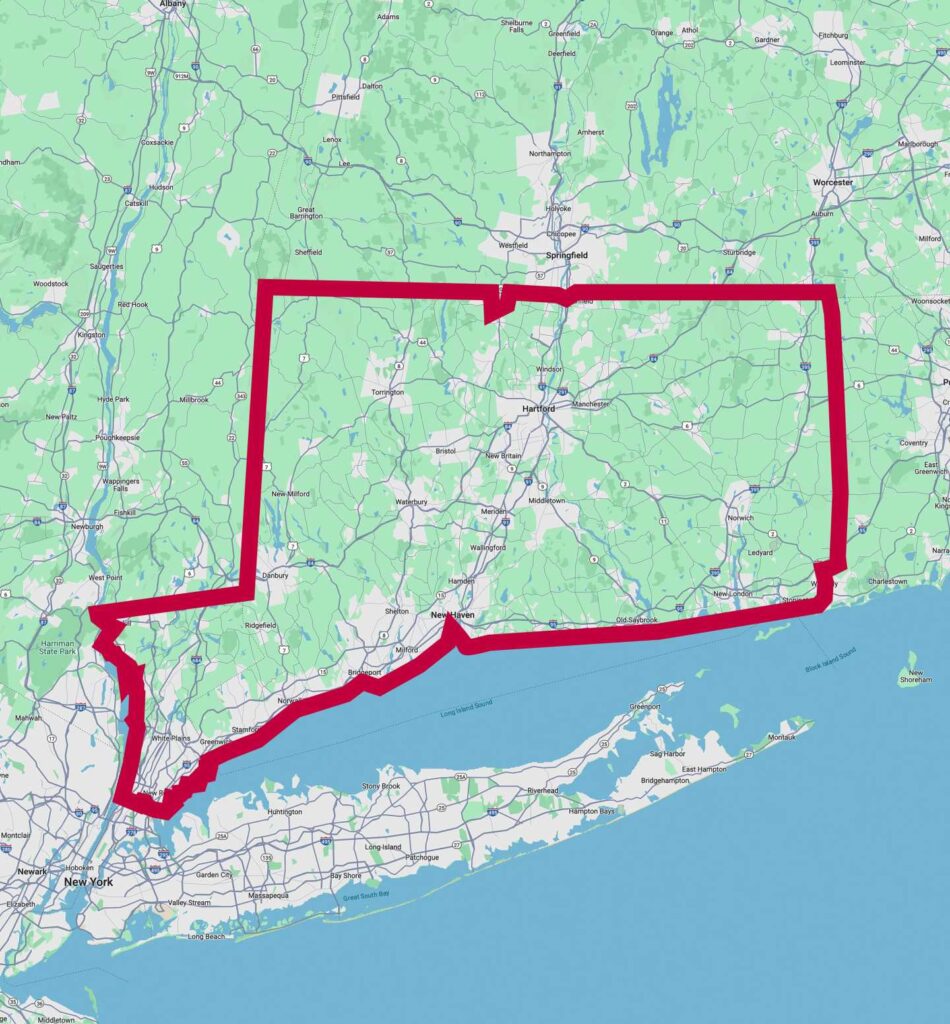
For workplaces that want local refreshment support and a vending program tailored to their needs, Berkshire Food provides workplace vending and broader break room services throughout Connecticut and Upper Westchester County, NY. The family-owned and operated provider has served the region since 1964.
Frequently Asked Questions
The right products depend on employee preferences and workplace routines. A balanced machine commonly includes familiar snacks, healthier alternatives, bottled water, soft drinks, flavored beverages, coffee or caffeinated options, and other products that employees regularly request.
Useful options can include chips, pretzels, crackers, cookies, chocolate, nuts, trail mix, granola bars, protein bars, popcorn, and other packaged snacks. A combination of familiar favorites and better-for-you choices provides more variety without making the selection unnecessarily large.
A workplace beverage mix can include bottled water, flavored or sparkling water, soft drinks, zero-sugar beverages, iced tea, juice, energy drinks, and coffee-based beverages where appropriate. The final selection should reflect what employees actually purchase and request.
Businesses can start by considering employee preferences, workplace schedules, available machine space, and purchasing patterns. Employee surveys and sales data can help identify which beverages should receive more or less space.
Offering healthier options can give employees more choice. Nuts, trail mix, protein bars, granola bars, fruit-based snacks, and other packaged options can be added alongside traditional snacks rather than replacing every familiar choice.
There is no single schedule that works for every workplace. Businesses should review sales and employee feedback regularly and make changes when products consistently underperform or employees request different choices.
Yes. Berkshire Food states that businesses can choose the items sold in their machines and can receive product guidance based on its vending experience.
Yes. A vending program can be part of a broader break room strategy that includes coffee, micro markets, pantry service, water, and other workplace refreshment solutions. The right combination depends on workplace size, layout, employee needs, and the desired level of variety.