
Cold water is a basic workplace convenience, but the experience changes when employees have easy access to fresh ice. Whether someone is filling a reusable bottle before a shift, preparing drinks for a meeting, or taking a quick break between tasks, a dependable source of ice can make the refreshment area more useful. Yet many businesses rely on refrigerator ice trays, purchased ice bags, or small appliances that struggle to keep up with daily demand.
For Waterbury workplaces, choosing the right office ice machine involves more than finding equipment that produces enough ice. Businesses need to evaluate employee usage, ice preferences, available space, water connections, cleaning requirements, and long-term operating costs. The right machine should work with the workplace’s routine rather than create another responsibility for an already busy office manager.
This guide explains how to compare office ice makers, estimate capacity, and plan an ice station that remains practical long after installation.
Why Is an Office Ice Machine Worth Considering?
An ice machine is not a necessity for every office, but it can be a useful addition when employees frequently request cold beverages. Without a dedicated machine, ice may come from a shared refrigerator, manual trays, or outside purchases. These arrangements may be manageable for small teams but become less convenient when usage increases.
In a Waterbury professional office, employees might use ice throughout the day for drinking water and other beverages. A manufacturing facility could experience concentrated demand during shift changes, while an administrative or healthcare workplace may need a convenient beverage station for staff working different schedules. Understanding these usage patterns helps determine whether an ice maker is justified and what type would fit best.
How an Ice Station Complements Workplace Water Service?
A dependable ice supply works best alongside convenient drinking water, so businesses should consider their office water dispenser options when planning an ice station. Employees should be able to fill a cup or bottle without moving between multiple appliances or relying on a refrigerator used for food storage. For offices planning a broader hydration upgrade, office water service provides a useful starting point for evaluating filtered, chilled, and other workplace drinking-water options.
Berkshire Food’s refreshment programs can help businesses think about water access as part of the overall break room experience. Companies interested in integrated ice-making equipment should confirm the specific equipment and service options available for their location before making a selection. The priority is a practical setup that fits the workplace’s daily demand.
Types of Office Ice Machines: Which Setup Makes Sense?
Not all commercial ice machines work the same way. Some produce ice and store it internally, while others dispense ice directly into a cup or provide both ice and drinking water from one unit. The best choice depends on how employees will use the equipment and how much room is available.
Countertop Ice and Water Dispensers
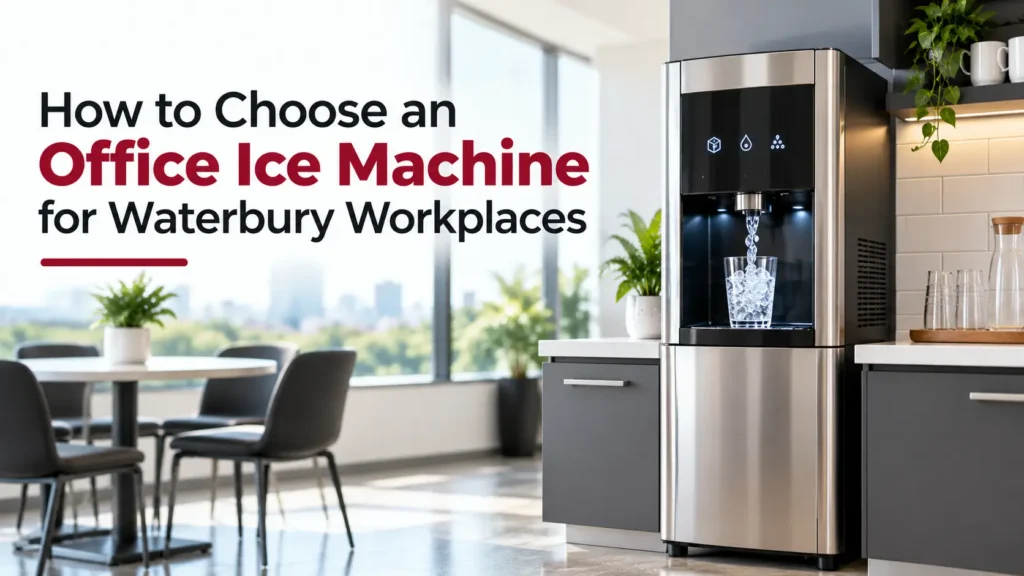
A countertop ice and water dispenser combines two frequently used break room functions in one location. Depending on the model, employees may be able to dispense ice, chilled water, or both without handling an open ice-storage bin. These systems can be especially convenient for offices where employees regularly fill reusable bottles or prepare drinks.
Countertop equipment still requires planning. Some models need dedicated water connections, drainage, and electrical access, while others have different installation requirements. Businesses should also check the machine’s actual dimensions and the clearance needed above or behind it for operation and servicing.
Undercounter Office Ice Makers
An undercounter ice maker is designed to fit beneath an appropriate counter or within a designated equipment area. It can be a useful solution when the office wants ice production without placing another large appliance on the countertop. Many models include an internal storage bin, although ice retrieval methods and ventilation requirements vary.
Before choosing an undercounter unit, review the available cabinet opening, airflow, water supply, and drainage arrangements. Some appliances require clearances that prevent them from being installed inside a tightly enclosed space. A machine that technically fits beneath the counter may still be unsuitable if employees cannot use or maintain it comfortably.
Freestanding and Larger-Capacity Ice Machines
Larger workplaces may require a freestanding machine or a commercial ice-making system with a separate storage bin. These setups are designed for higher production requirements and may be more appropriate where multiple departments or shifts rely on a shared ice supply. They generally require more floor space and a clearly defined cleaning and maintenance process.
More capacity is not automatically better. An oversized machine can create unnecessary equipment, utility, and maintenance costs when actual demand is modest. The goal is to match the machine to peak usage without selecting a system that is excessive for the workplace.
Comparing Office Ice Machine Options
| Machine Type | Potentially Suitable For | Main Consideration |
| Countertop ice and water dispenser | Offices seeking convenient water and ice access | Water connection, drainage, and dispensing capacity |
| Undercounter ice maker | Break rooms with limited counter space | Ventilation, storage, and maintenance access |
| Freestanding commercial ice maker | Larger teams or concentrated daily demand | Floor space, production rate, and storage capacity |
| Compact portable ice maker | Occasional or temporary ice needs | Manual water filling, cleaning, and limited storage |
Portable ice makers can be useful for occasional needs, but they should not automatically be treated as replacements for commercial equipment. Many require regular water refilling, manual cleaning, and separate arrangements for storing ice. A workplace that depends on ice every day may benefit from a more consistent system.
How Much Ice Does Your Workplace Actually Need?
Capacity is one of the most important decisions when selecting an ice maker for office use. Businesses often focus on the maximum amount of ice a machine can produce, but that number tells only part of the story. A suitable machine must also provide enough usable ice during the periods when employees need it most.
Calculate Demand Based on Actual Employees
Begin with the number of employees who regularly use the workplace, not simply the total number on the payroll. Hybrid schedules, offsite employees, visitors, and shift arrangements can affect daily consumption significantly. An office with 80 employees may have fewer simultaneous users than a 40-person facility where nearly everyone takes a break at the same time.
A basic planning estimate can be developed by multiplying the number of expected users by the average amount of ice they are likely to consume each day. Because usage varies by workplace, the per-person figure should be treated as an estimate and validated against actual demand. Offices that already purchase bagged ice can use their purchasing history as a useful starting point.
For example, consider a workplace with 50 regular onsite employees. If a planning assumption is that 30 employees use an average of half a pound of ice during the day, estimated demand would be 15 pounds daily. That figure is only an illustration; the actual requirement could be higher or lower depending on drink sizes, employee preferences, visitors, and working conditions.
Understand Daily Production Versus Storage Capacity
Commercial ice makers often advertise production in pounds per 24 hours. That figure indicates how much ice the equipment can produce under specified testing conditions, not how much is immediately available at one time. The storage bin has its own capacity, and those two specifications should be reviewed separately.
A machine might have enough total daily production but an insufficient storage reserve for a busy morning or shift change. Similarly, a large storage bin cannot make up for a production rate that consistently falls behind daily consumption. The most practical choice balances production, storage, and the timing of workplace demand.
Plan for Peak Usage and Growth
Ice demand is rarely distributed evenly across the workday. Employees may use the machine heavily at the beginning of a shift, during lunch, or before leaving the building. Meetings, events, warmer weather, and changes in staffing can also create temporary increases.
When evaluating the equipment, discuss these peaks rather than relying only on an average daily estimate. It is also sensible to consider whether the workplace expects to expand or add another shift. A modest capacity buffer may help, but the appropriate amount should be based on actual usage and the manufacturer’s equipment specifications.
Choosing the Right Ice Type for Employees
The ice itself can influence which machine works best. Commercial equipment may produce cubes, nuggets, flakes, or other shapes, and each type has different characteristics. For most employee beverage stations, cube or nugget ice will be the main options worth comparing.
Cube Ice
Cube ice is a familiar choice for drinking water, iced coffee, and everyday cold beverages. It is available in different sizes and shapes depending on the machine, and larger, denser cubes may melt more slowly than smaller pieces under comparable conditions. Cube ice can work well in offices that want a straightforward beverage station without emphasizing a specialty drinking experience.
The main consideration is compatibility with employees’ usual containers. Very large cubes may be inconvenient for some narrow reusable bottles, while smaller cubes may be easier to dispense into different cup sizes. Reviewing the intended use helps narrow the available equipment choices.
Nugget Ice
Nugget ice is made of small, compressed pieces and is popular in beverages because of its softer, chewable texture. An office that frequently serves iced drinks may find this format appealing, particularly when employees prefer a machine that dispenses ice directly. However, nugget machines can differ from cube machines in production capacity, maintenance requirements, and purchase cost.
Employee preference is worth checking before selecting this feature. A machine that produces a specialty ice type is not necessarily the best investment if most people simply want cold water. Choosing familiar, easy-to-maintain equipment may provide more value than paying for an ice format that few employees care about.
Flake and Specialty Ice
Flake ice is generally associated with applications such as food displays and specialized commercial operations rather than everyday office drinks. Most standard break rooms will not need this type of equipment. Unless a workplace has a specific operational requirement, businesses can typically focus their comparison on cube and nugget systems.
Installation Requirements to Check Before Buying
An ice machine should be selected with the installation location in mind from the beginning. Even a compact office ice maker may need dedicated water connections, proper drainage, sufficient ventilation, and electrical capacity. Discovering these requirements after ordering equipment can cause delays or additional costs.
The best equipment decision is therefore connected to the broader break room refreshment planning process. A workplace should evaluate how water, coffee, ice, beverages, and other amenities will share the space before finalizing equipment placement. This reduces the risk of creating a crowded station that looks efficient on paper but is frustrating to use.
Water Supply and Drainage
Many commercial ice machines require a reliable potable-water connection, and businesses choosing between bottleless and bottled water coolers should consider how those water systems will be installed alongside the ice station. Depending on the model, the installation may also need a gravity drain, a drain pump, or other manufacturer-specified plumbing arrangements. The location and condition of the existing water supply should be reviewed before selecting equipment.
Drainage deserves particular attention because not every break room has a suitable drain nearby. A model that requires a gravity drain may not be practical in a location where the drain cannot be positioned correctly. Confirming plumbing requirements with the equipment provider and a qualified installer can prevent expensive changes later.
Electrical and Ventilation Needs
Commercial ice-making equipment generates heat during operation, so airflow and ventilation can affect performance. Air-cooled models in particular require adequate clearance around the ventilation openings specified by the manufacturer. Placing a machine in an enclosed, poorly ventilated cabinet may reduce its ability to produce ice efficiently.
Electrical needs also vary, and some larger machines may require dedicated circuits. Businesses should confirm the unit’s voltage, amperage, outlet requirements, and other installation specifications before purchasing. The location should also allow technicians to reach the equipment without dismantling the surrounding cabinetry.
Space, Noise, and Employee Access
The physical location should support the way people use the room. A countertop unit may be convenient but could occupy space needed for food preparation, coffee equipment, or other supplies. An undercounter model may preserve counter space but require employees to bend down or use a scoop.
Noise is another factor worth reviewing, particularly in smaller offices where the break room is close to conference rooms or workstations. Machines may produce sound during ice-making cycles, dispensing, and cleaning. A demonstration, equipment specification review, or discussion with the supplier can help businesses understand what to expect.
Why Water Quality and Filtration Matter?
Ice is made from drinking water, so the quality of that water matters to the final result. Taste, odor, mineral content, and particles can affect the beverage experience and may contribute to equipment maintenance needs. A workplace should evaluate its incoming water conditions and the manufacturer’s treatment recommendations before choosing filtration.
A suitable filter may help address particular water-quality concerns, but no single system is appropriate for every building. The correct treatment depends on the water supply, the equipment manufacturer’s requirements, and the specific contaminants or characteristics being addressed. Filtration also does not eliminate the need to clean and sanitize an ice machine.
Check Water Compatibility Before Installation
Waterbury businesses may operate in newer office spaces, older commercial buildings, or facilities with more complex plumbing arrangements. Rather than assuming every building has the same water conditions, confirm the supply characteristics for the specific installation site. This is especially important when equipment performance depends on water pressure, temperature, or mineral levels.
Businesses should also review filter replacement frequency and who will be responsible for monitoring it. An appropriate filtration system needs routine maintenance to remain useful. The machine provider should explain which filters are compatible and how replacement responsibilities are handled.
Cleaning and Maintenance: A Critical Buying Factor
An office ice machine is food-contact equipment, not simply another refrigerator accessory. Ice can become contaminated through poor handling, dirty internal surfaces, or neglected storage components. Choosing equipment that employees can use hygienically and that staff can clean correctly is a major part of selecting the right system.
The CDC’s guidance for healthcare facilities favors machines that dispense ice directly rather than requiring employees to remove it from shared storage bins with a scoop. Although these recommendations were developed for healthcare environments, they illustrate a broader hygiene consideration for shared workplace ice stations. Whatever equipment is selected, cleaning and sanitizing must follow the manufacturer’s instructions and applicable requirements.
Touch-Free Dispensing Versus Shared Scoops
Direct-dispensing machines may reduce the need for multiple people to handle shared ice scoops or open storage bins. This can be useful in high-traffic break rooms where employees fill cups and bottles throughout the day. The design should still allow dispensing surfaces and contact areas to be cleaned easily.
A machine that uses a scoop can also be managed appropriately, but the workplace needs a designated scoop-storage method and clear handling procedures. Employees should not place hands directly into ice intended for consumption or leave the scoop buried in the ice. Access controls and sensible cleaning routines become especially important in shared environments.
Establish a Routine Maintenance Plan
Before installation, ask who will clean and sanitize the machine, how frequently the work is required, and which tasks need a trained technician. Cleaning frequency depends on the model, manufacturer instructions, local conditions, and usage. Avoid relying on a universal cleaning schedule without confirming the requirements of the selected equipment.
A practical maintenance plan should include inspections, replacement of relevant filters, cleaning of dispensing areas, and periodic service of internal components. The business should also know how to report unusual noises, poor ice quality, leaks, or changes in production. A clear service process is often more valuable than purchasing a machine with additional features that are difficult to maintain.
Look for Appropriate Equipment Certification
When comparing commercial ice machines, businesses can check whether specific models have relevant sanitation certifications, such as NSF/ANSI 12 for automatic ice-making equipment. Certification should be verified for the exact model rather than assumed from the manufacturer name. Equipment documentation should also explain its intended use and maintenance requirements.
Healthcare facilities and other specialized workplaces may have additional infection-control or operational requirements. Those businesses should involve their appropriate facilities or safety personnel before selecting equipment. A general office buying guide is not a substitute for facility-specific compliance review.
Matching Ice Equipment to Waterbury Workplace Needs
Different Waterbury workplaces may need different ice capacities and dispensing arrangements. A corporate office typically has different patterns of use from a warehouse, manufacturing facility, or medical workplace. The decision should reflect actual employees, shift schedules, visitor traffic, and the location of existing beverage stations.
Berkshire Food serves local businesses through its workplace refreshment services in Waterbury, including office water, coffee, vending, pantry, and micro market solutions. Businesses considering an ice station can use that broader service context to discuss their beverage needs and determine which equipment options should be evaluated. Availability of any particular ice machine or combined dispenser should be confirmed directly.
Corporate Offices and Administrative Teams
Corporate offices may benefit from compact ice and water dispensers located near the main break room or meeting area. These workplaces often need convenient access throughout the day rather than very high ice production during a single period. A machine with simple controls and an easy-to-clean dispensing area may be more important than extensive storage capacity.
Client-facing offices should also consider the presentation of the station. Employees and visitors should be able to fill a cup easily, understand the controls, and find nearby waste disposal. A clean beverage area can be useful without requiring a separate hospitality station.
Manufacturing and Warehouse Facilities
Manufacturing and warehouse teams may have concentrated beverage demand around scheduled breaks and shift changes. Facilities with larger onsite teams should pay particular attention to production capacity, storage, and the distance employees must travel to reach the machine. Placing one small ice maker in a remote administrative break room may not serve employees working elsewhere in the building.
The right solution may include a higher-capacity unit or a more carefully planned refreshment area. Building access, maintenance requirements, and the environment around the equipment also matter. Each facility should evaluate expected use rather than automatically selecting a machine intended for a standard office.
Healthcare and Professional Facilities
Healthcare workplaces may require a more controlled approach to ice handling, cleaning, and dispensing. Equipment intended for staff refreshments should be evaluated separately from any ice used in patient care. Facility-specific infection-control policies may determine what equipment and handling methods are acceptable.
For professional offices with frequent meetings or visitors, reliability and straightforward operation may be the primary considerations. An ice maker should support beverage service without creating extra work for reception or administrative staff. Clear responsibilities for maintenance and daily cleaning help keep the station ready for regular use.
What Does an Office Ice Machine Cost?
The total cost of an ice machine includes more than the purchase price. Businesses should evaluate equipment, installation, filtration, utilities, supplies, maintenance, and repairs over the expected service life. Two machines with similar advertised features may have very different operating requirements.
Equipment and Installation Expenses
A compact portable ice maker may have a lower initial price than an installed commercial dispenser, but it can also require more manual attention. Larger equipment may involve plumbing work, electrical preparation, drainage modifications, or additional space. These expenses should be reviewed together rather than comparing equipment prices alone.
Businesses should request a clear breakdown of what is included in a purchase, rental, or service agreement. Delivery, installation, filter replacements, scheduled maintenance, and repairs may be handled differently by different providers. Understanding these details makes long-term comparisons more meaningful.
Water, Electricity, and Efficiency
Ice machines use electricity and water to produce ice, and the amount consumed depends on the equipment design and usage. When comparing eligible commercial models, ENERGY STAR certification can be a useful indicator of efficiency. However, combined ice-and-water dispensing systems are excluded from the current ENERGY STAR commercial ice-maker product category, so businesses should not assume every type of machine can carry that label.
Operating efficiency should be considered alongside actual workplace demand. Oversizing equipment may increase unnecessary capital or operating costs, while undersizing can create shortages. Reviewing the manufacturer’s published energy and water consumption figures helps make a more informed decision.
Maintenance and Ownership Responsibilities
A lower purchase price may be less attractive if the equipment requires frequent attention, specialized replacement parts, or difficult cleaning procedures. Before deciding, ask what the manufacturer recommends for maintenance and what support is available locally. Filter costs, technician visits, cleaning materials, and equipment downtime can all affect the total ownership cost.
For a managed service arrangement, confirm which responsibilities belong to the provider and which remain with the workplace. A clear agreement can help prevent confusion when equipment needs attention. Businesses should compare both the expected costs and the amount of internal management involved.
Integrating Ice With the Rest of Your Break Room
An ice station is most useful when it fits naturally into the refreshment area. Employees may use the same space for drinking water, coffee, tea, snacks, and lunch. Placing equipment without considering these activities can create congestion, spills, and maintenance difficulties.
For example, a Waterbury office with an existing office coffee service may want to position cold-water and ice equipment nearby without crowding the hot beverage station. Employees could then access hot and cold drinks within one organized area. The layout should provide enough space for cups, reusable bottles, waste disposal, and safe movement between machines.
Plan for Everyday Use, Not Just Installation
An ice machine that fits into an empty room may become inconvenient once cabinets, a break room refrigerator, and other supplies are added. Before installation, observe how employees currently use the break room during busy periods. Consider whether people will need to wait, move around one another, or carry drinks across crowded surfaces.
A practical layout should make daily cleaning straightforward and allow maintenance staff to reach the equipment. Avoid placing an ice dispenser where spilled water could create a recurring walking hazard. Small design choices can make the station more convenient and easier to maintain.
Choosing a Better Ice and Water Setup for Your Waterbury Workplace
A reliable office ice machine should fit the workplace’s actual needs rather than simply offer the largest capacity or longest list of features. Businesses should pay particular attention to daily and peak demand, ice type, available space, plumbing, water quality, cleaning, and ongoing support. A thoughtfully selected machine can become a useful part of the break room without adding unnecessary complexity.
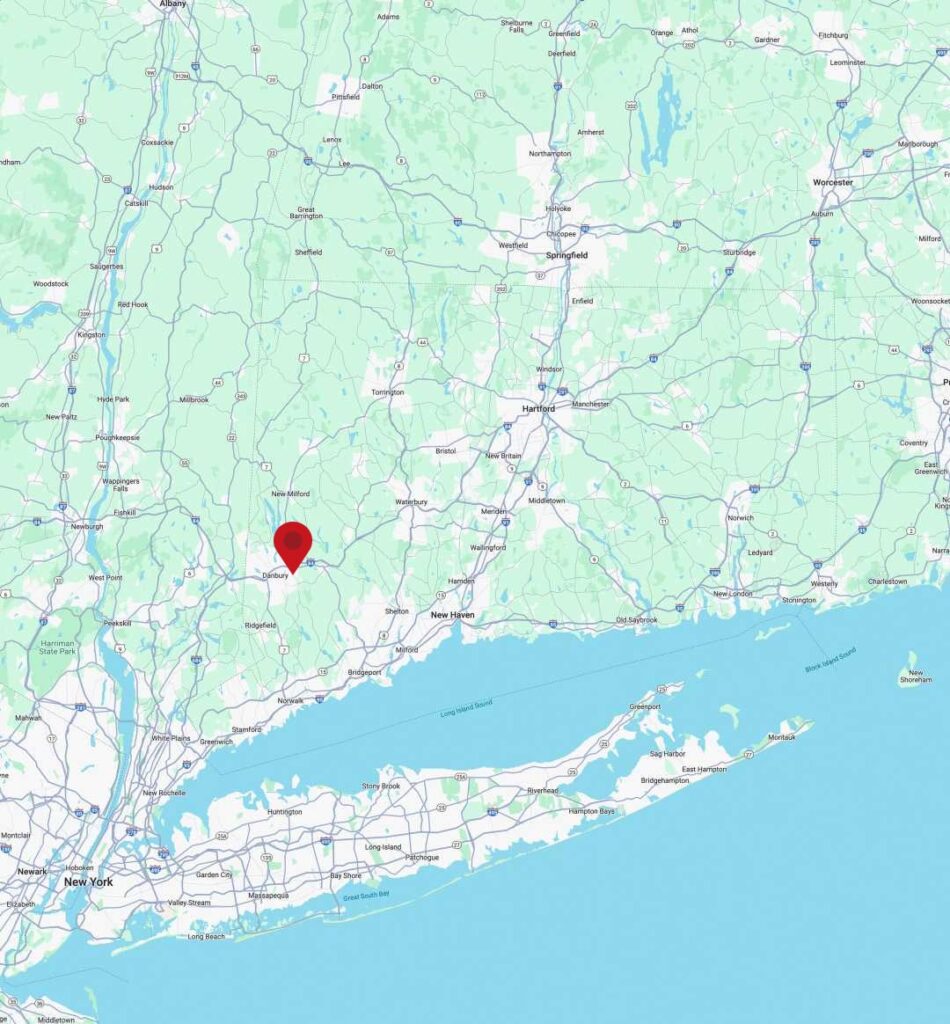
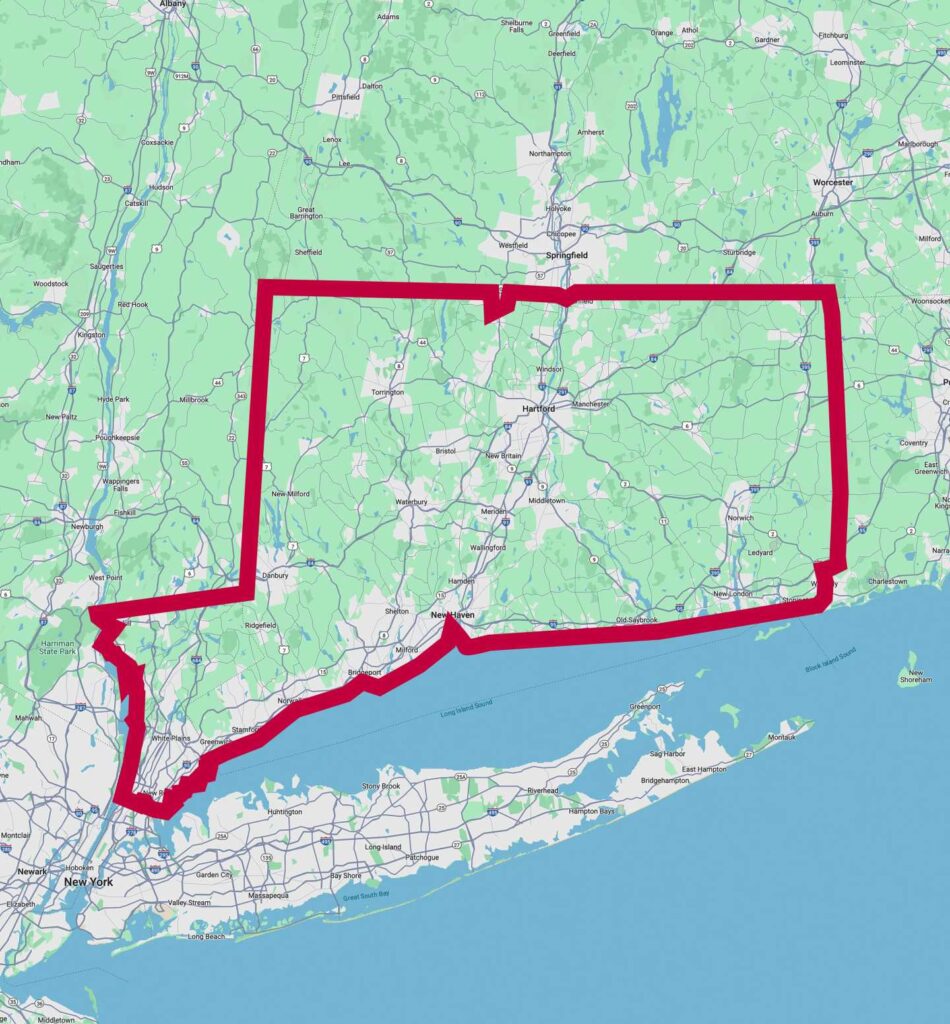
For Waterbury employers, the best approach is to review ice requirements alongside the company’s wider beverage program. Berkshire Food has supported workplace refreshment needs across Connecticut and Upper Westchester County, NY, since 1964, and can help businesses discuss water service and related break room options. The availability and suitability of specific ice-making equipment should be confirmed as part of that discussion.
Ready to improve your workplace beverage station? Contact Berkshire Food to discuss office water service, refreshment planning, and available equipment options for your Waterbury business.
Frequently Asked Questions
The right size depends on employee count, daily ice usage, and peak demand. Compare the machine's 24-hour production rating with its storage capacity before selecting a model.
An ice and water dispenser can save space and simplify drink preparation. A separate ice maker may be preferable when the workplace needs higher ice capacity or already has suitable water equipment.
Cube ice works well for everyday beverages, while nugget ice offers a softer, chewable texture. The best choice depends on employee preferences, equipment capacity, and maintenance requirements.
Many commercial office ice makers require a dedicated water connection, while some portable models use manually filled reservoirs. Installation and drainage requirements depend on the equipment.
Cleaning frequency depends on the machine, water conditions, and usage. Follow the manufacturer's cleaning and sanitizing instructions, and establish clear maintenance responsibilities before installation.
Some machines benefit from filtration to address specific water-quality concerns or manufacturer requirements. The appropriate filter depends on incoming water conditions and equipment specifications.
Yes. A compact countertop machine may suit a smaller office with modest demand and sufficient installation space. Check daily production, ventilation, cleaning, and water requirements first.
Yes. Berkshire Food provides office water and other break room refreshment services in Waterbury. Businesses can contact the team to discuss beverage needs and confirm available equipment options.