
Choosing an office coffee provider involves more than comparing coffee brands or selecting an attractive brewing machine. The company you choose will influence how coffee is delivered, how equipment is maintained, how supplies are replenished, and how much attention your office staff must give the program.
For Connecticut businesses, comparing office coffee service providers is especially important because workplaces have different schedules, employee preferences, and equipment requirements. A small professional office in Fairfield may need a compact single-cup brewer, while a manufacturing facility in Waterbury may require higher brewing capacity and coffee access across multiple shifts.
The best way to compare coffee vendors for offices is to ask each provider the same practical questions and review the answers alongside their proposed services and costs. This guide covers 12 important questions to help Connecticut employers identify a provider that fits their workplace, avoid unclear service arrangements, and make a more informed decision.
What Should You Look for in an Office Coffee Service Provider?
A suitable office coffee service provider should offer equipment appropriate for your workplace, a useful selection of coffee and supplies, clear delivery arrangements, defined maintenance responsibilities, and transparent pricing. The provider should also explain how the program can adapt when employee demand changes.
Businesses exploring office coffee service in Connecticut should begin by reviewing their actual workplace requirements rather than choosing a company based only on advertised coffee selections or equipment features.
Before contacting potential providers, prepare a short description of your workplace. Sharing the same information with each company makes their recommendations easier to compare and reduces the possibility of receiving proposals based on different assumptions.
Information to Prepare Before Requesting Quotes
- Employee Count: Total staff and typical daily attendance.
- Work Schedules: Standard hours, hybrid attendance, or multiple shifts.
- Coffee Preferences: Popular roasts, decaf, tea, and specialty beverages.
- Break Room Space: Available counters, storage, water, and electrical access.
- Service Expectations: Equipment, delivery, replenishment, and maintenance needs.
These details help office coffee companies recommend arrangements based on expected use instead of presenting the same standard package to every business.
1. Does the Provider Serve Your Connecticut Location?
The first question is whether the company provides coffee delivery and equipment support at your specific workplace address. A vendor may advertise Connecticut coverage while offering different service arrangements depending on the city, route, or facility.
Ask whether the provider regularly serves businesses in your area and how deliveries and equipment-support requests are coordinated. If your company operates in Stamford, Hartford, New Haven, Norwalk, or another Connecticut community, confirm the arrangements available for that location rather than assuming every service is identical statewide.
Businesses with several offices should also ask whether one provider can coordinate their locations. A clear explanation of geographic coverage is more useful than a general promise of convenient local service.
2. Which Coffee Equipment Options Are Available?
Coffee equipment should match employee usage, beverage preferences, and the physical space available. A provider should be able to explain the differences between traditional brewers, single-cup systems, and bean-to-cup machines rather than recommend equipment based only on appearance.
Ask which machines are suitable for your typical daily attendance and peak coffee demand. If employees take breaks at the same time, brewing capacity and preparation speed may be important. A smaller office with staggered attendance might place greater value on individual beverage selection.
A good recommendation should also account for cleaning requirements, available counter space, electrical access, and any necessary water connections. Request information about the proposed machine models so you can compare the equipment being offered.
3. Who Owns the Coffee Machine, and Are There Equipment Charges?
One of the most important questions to ask coffee vendors for offices concerns equipment ownership. Depending on the arrangement, a business may purchase, lease, rent, or use equipment supplied under particular service terms.
These options can affect the initial investment, ongoing costs, maintenance responsibilities, and what happens when an agreement ends. A proposal that appears inexpensive at first may include equipment-related conditions that become important later.
Ask the provider to explain who owns the machine, whether installation or setup carries a separate charge, and what happens if the equipment no longer meets workplace demand. Understanding those terms makes it easier to compare the complete program rather than focusing only on coffee product prices.
4. What Coffee Brands and Beverage Options Can You Choose From?
Employees may have different preferences for medium roast, dark roast, flavored coffee, decaf, or tea. An office coffee vendor should be able to explain which beverage products are available and which formats are compatible with the recommended equipment.
Some workplaces prefer a focused selection of familiar drinks, while others want more variety for employees and visitors. Ask whether the product assortment can be adjusted after employees begin using the coffee station.
Berkshire Food’s workplace coffee offerings include selections from recognized brands such as New England Coffee, Baronet Coffee, and Bigelow Tea. Businesses should confirm specific products and availability when discussing a proposed program.
The goal is not necessarily to offer the largest possible beverage catalog. A useful selection should reflect employee demand while avoiding unnecessary inventory and products that receive little interest.
5. Are Cups, Creamers, Sweeteners, and Other Supplies Included?
Coffee products represent only part of a workplace beverage program. Employees may also need cups, lids, stirrers, sugar, sweeteners, creamers, napkins, filters, and other coffee station supplies.
Ask each provider which consumables are included in the quoted arrangement and which items require separate purchases. This helps prevent confusion when one proposal appears cheaper simply because fewer supplies are included.
It is also useful to clarify how these items are ordered and whether employees or office managers must monitor their availability. A complete proposal should make the scope of supply management understandable before the coffee station begins operating.
6. How Does Office Coffee Delivery and Restocking Work?
A dependable office coffee delivery arrangement should reflect actual product consumption, available storage space, and the workplace’s operating schedule. Regular delivery may be useful, but the appropriate frequency can differ considerably between businesses.
Ask whether the provider uses scheduled deliveries, customer-initiated orders, or another replenishment method. Find out who identifies low inventory, how additional products are requested, and whether order quantities can change when attendance increases or decreases.
For example, an office with hybrid schedules may consume significantly more coffee on certain days. A warehouse operating several shifts may need supplies available beyond standard business hours. Discuss these patterns so the recommended stocking process fits daily operations.
Before choosing a provider, businesses should understand how inventory levels and delivery schedules will be managed. Our Connecticut office coffee delivery and restocking guide includes a practical supply checklist and inventory-planning steps that can help employers evaluate these arrangements.
7. What Maintenance and Repair Support Is Provided?
Coffee machines need cleaning, routine care, and occasional servicing. Before choosing a provider, determine which equipment responsibilities are included in the proposed agreement and which remain with the business.
Ask how employees should report a malfunction, who handles repairs, and what happens if the machine cannot be used. It is also important to clarify maintenance for filters, brewing components, and other items that may require periodic attention.
Do not assume that equipment support includes every cleaning task. Day-to-day counter cleaning, emptying waste containers, or certain routine procedures may remain the workplace’s responsibility.
A strong service agreement clearly separates provider responsibilities from everyday workplace care. That clarity helps office managers avoid confusion after installation.
8. What Happens During Installation and Initial Setup?
A coffee service program should begin with equipment and a station layout suited to the workplace. Ask the provider to explain the installation process and what the business needs to prepare before equipment arrives.
The proposed machine may require suitable electrical access, counter space, ventilation, or a water connection. Requirements depend on the equipment, so these details should be confirmed before selecting a permanent location.
Businesses should also ask whether employees will receive basic operating instructions and how the initial coffee and supply selection will be organized. A clear setup process can help the workplace avoid delays and make the coffee station easier for employees to use from the beginning.
9. What Is the Total Cost of the Coffee Service Program?
Comparing office coffee service companies by coffee price alone can give an incomplete picture. The overall budget may involve equipment, coffee products, serving supplies, delivery, maintenance, and other charges depending on the arrangement.
Request an itemized explanation of what the quote includes. Ask which costs are recurring, which apply only during setup, and whether the proposal includes minimum purchases or other financial conditions.
When comparing proposals, make sure the providers are offering similar equipment, products, and service responsibilities. A cheaper arrangement may involve more internal work, while a more comprehensive option may include support that your workplace values.
For a detailed breakdown of the factors involved, read our Office Coffee Service Cost in Connecticut guide. It explains how employee consumption, brewing equipment, supplies, and ongoing service influence workplace coffee budgets.
10. What Are the Contract Terms and Cancellation Conditions?
Before accepting a coffee service proposal, businesses should understand the agreement’s duration, equipment conditions, purchasing requirements, and procedures for making changes.
Ask whether there is a minimum contract period, what happens if the workplace relocates, and whether any charges apply when an agreement ends. Equipment ownership and removal responsibilities should also be addressed where relevant.
A company planning office renovations, staffing changes, or a possible move may need different flexibility from an employer with a stable long-term facility. Discuss these circumstances before signing rather than assuming the program can be changed at any time.
Clear written terms help both parties understand what the service arrangement includes and how it can be managed throughout its duration.
11. Can the Coffee Program Adapt as Your Workplace Changes?
A coffee setup that works well today may need adjustments as employee numbers, attendance patterns, or beverage preferences change. That does not necessarily require replacing the entire program.
Ask whether the provider can review product selection, adjust delivery quantities, or discuss different equipment when workplace demand changes. If your business expects growth, additional shifts, or more frequent onsite attendance, those plans should be part of the conversation.
For Connecticut employers managing several departments or facilities, it may also be worth asking whether coffee equipment and supply arrangements can be coordinated across different locations.
A flexible program should allow businesses to evaluate changes based on actual employee usage rather than follow an unchanged product plan indefinitely.
12. How Will the Provider Review Service Quality After Installation?
Installing coffee equipment is only the beginning of the program. Ongoing service should include a clear way to discuss recurring shortages, employee feedback, product changes, and equipment concerns.
Ask who your regular contact will be and how service requests are communicated. Businesses should also know whether the provider reviews changing product demand and how adjustments are requested.
After the program has operated for a reasonable period, evaluate whether popular beverages are available, whether the equipment meets employee demand, and whether internal staff still spend excessive time managing coffee supplies.
A provider that explains its follow-up process makes it easier for the workplace to evaluate the service and address small issues before they become regular frustrations.
How to Compare Office Coffee Service Quotes Side by Side
Once you have answers to the 12 questions, compare the proposals using the same evaluation criteria. Looking only at the monthly amount can hide important differences in equipment, supplies, service responsibilities, and agreement terms.
The following comparison worksheet can help office managers organize their decisions.
| Evaluation Area | What to Compare |
| Service Coverage | Confirmed coverage for your workplace address |
| Coffee Equipment | Proposed machine type, model, and suitability |
| Equipment Terms | Ownership, lease, rental, or other conditions |
| Product Selection | Available coffee, tea, and compatible beverage choices |
| Serving Supplies | Included consumables and separately billed items |
| Delivery | Ordering process and replenishment arrangements |
| Maintenance | Routine care, repairs, and reporting responsibilities |
| Installation | Site requirements, setup, and employee instructions |
| Total Pricing | All applicable charges and purchasing conditions |
| Agreement Terms | Duration, cancellation, relocation, and removal |
| Flexibility | Ability to adjust supplies, equipment, or locations |
| Ongoing Communication | Service contacts, follow-up, and program reviews |
Use the same worksheet for every proposal and record the provider’s written answers. This creates a more consistent comparison and highlights areas where additional clarification is needed.
A provider does not need to offer every possible coffee product or equipment feature to be the right choice. The better option is the one that meets your workplace’s priorities with clear responsibilities and terms.
Common Warning Signs When Comparing Coffee Vendors
A polished presentation or extensive coffee catalog does not always explain how a program will operate after installation. Businesses should be cautious when important service details remain unclear or depend on verbal assurances that do not appear in the proposal.
Watch for These Issues
- Unclear Pricing: Charges and included services are difficult to identify.
- Generic Equipment Recommendations: Machines are suggested without reviewing actual workplace demand.
- Vague Maintenance Terms: Responsibility for repairs and cleaning is not defined.
- Uncertain Delivery Arrangements: The provider cannot explain how ordering and replenishment will work.
- Missing Agreement Details: Equipment ownership, changes, or cancellation terms remain unanswered.
These concerns do not automatically mean a company provides poor service. However, they are reasons to request more information before comparing final offers.
Why Local Service Matters for Connecticut Businesses
Location should not be the only consideration when selecting office coffee service providers, but it can influence delivery arrangements, communication, and equipment support.
Connecticut workplaces operate in different environments. A Stamford corporate office may need coffee for meetings and client hospitality, while a New Haven healthcare workplace may prioritize access during varied staff schedules. Manufacturing and distribution facilities in communities such as Waterbury or Bristol may experience higher demand around shift changes.
Businesses should discuss these operational requirements with each provider rather than assume that one standard coffee package will suit every location.
If your business operates in Fairfield, you can also review our guide to choosing an office coffee vendor in Fairfield for additional location-specific considerations.
A local provider should be able to explain the actual service options available for your address, including how products are supplied and what ongoing support is included.
Managed Office Coffee Service vs. Buying Coffee Independently
Some workplaces manage coffee by purchasing their own machines and ordering supplies whenever inventory runs low. Others prefer a managed arrangement in which a provider helps coordinate equipment, products, and agreed service responsibilities.
Independent purchasing can be practical for a small workplace with modest consumption and staff available to handle ordering and equipment care. Managed service may become more appealing when multiple teams share a station, supplies need regular replenishment, or equipment support creates additional work.
Neither approach guarantees a lower overall cost. Businesses should consider equipment expenses, ongoing purchases, maintenance requirements, and the staff time needed to manage the program.
For a broader explanation of workplace coffee equipment and managed service, our Office Coffee Service Guide provides additional planning information.
Why Consider Berkshire Food for Office Coffee Service?
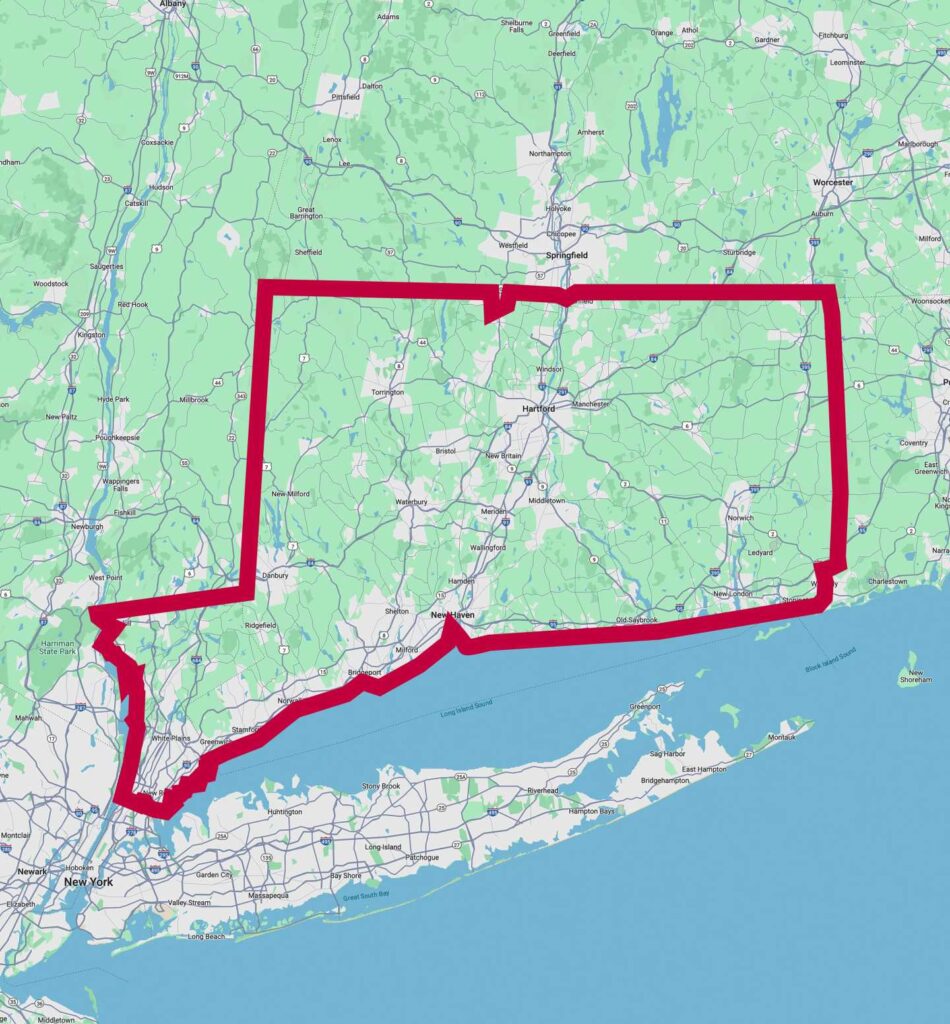
Berkshire Food is a family-owned and operated workplace refreshment provider serving Connecticut and Upper Westchester County, New York. Established in 1964, the company provides workplace solutions that include office coffee, vending, pantry service, water service, and micro markets.
For businesses comparing office coffee service providers, Berkshire Food offers coffee equipment, beverage selections, serving supplies, and related service support. Available options can be discussed based on workplace size, employee preferences, equipment requirements, and the services included in a proposed arrangement.
A small professional office may need a straightforward coffee station, while a larger employer may require more capacity and a different restocking process. The objective is to select a setup that fits the workplace rather than choose equipment or supplies without evaluating daily demand.
When contacting Berkshire Food, share your employee count, location, work schedules, current coffee arrangements, and any recurring problems you want to address. These details provide a useful starting point for discussing suitable equipment, products, and service options.
Make an Informed Office Coffee Service Decision
Choosing between office coffee service providers should be a practical business decision, not simply a comparison of coffee brands or attractive brewing machines. The right arrangement needs to meet daily employee demand while providing clear expectations around delivery, supplies, equipment support, costs, and ongoing responsibilities.
Use the 12 questions in this guide to evaluate each proposal consistently. Ask for written explanations where terms are unclear, compare the full program rather than isolated prices, and consider whether the service can adapt to your workplace’s future needs.
Looking for office coffee service in Connecticut? Contact Berkshire Food to discuss your workplace requirements and request information about available coffee equipment, beverage selections, delivery, and service arrangements.
Frequently Asked Questions
Look for suitable brewing equipment, beverage variety, clear pricing, dependable delivery arrangements, and defined maintenance responsibilities. The provider should explain how its program fits your workplace and what support is included.
Give each vendor the same workplace requirements and compare equipment, product selections, total costs, delivery, maintenance, and agreement terms. Written proposals make differences easier to evaluate.
Local coverage can be useful for coordinating deliveries and equipment support. However, location alone does not guarantee better service. Confirm actual coverage, communication procedures, and agreement terms.
It depends on the provider and agreement. Some arrangements include certain equipment-support services, while other maintenance or cleaning tasks remain with the workplace. Always clarify responsibilities before installation.
Yes. Smaller offices can explore compact brewing equipment, manageable coffee selections, and practical supply arrangements. The right program depends on employee consumption, available space, and the provider's service terms.
Product changes may be possible depending on the provider, available inventory, and equipment compatibility. Ask how employee requests are handled and whether the beverage selection can be reviewed as preferences change.