
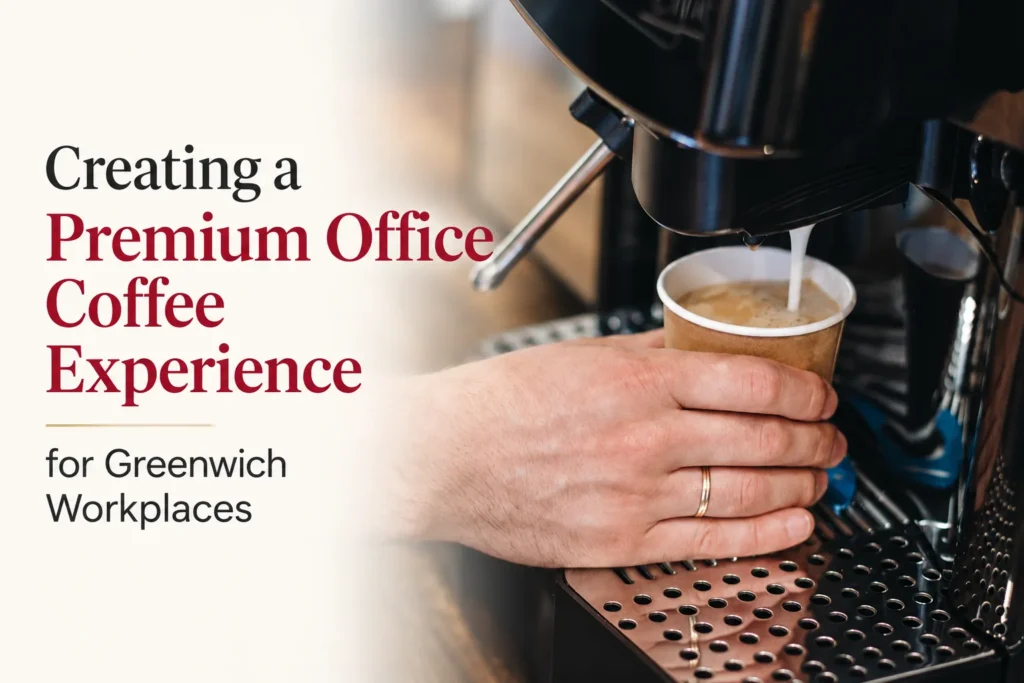
A good workplace coffee experience starts before the first sip. Employees can find a clean cup, choose a drink they enjoy, and prepare it without searching for supplies or waiting at a crowded counter. The coffee tastes consistent, the station is welcoming, and everything needed to use it is within reach.
For Greenwich workplaces, premium office coffee brings these details together. The right program combines enjoyable coffee with suitable brewing equipment, thoughtful presentation, and dependable daily care. An impressive machine can be part of that experience, but employees notice the quality of the entire setup in how well it works throughout the week.
Whether you are improving an existing staff kitchen or planning an office coffee bar, start with the experience to create for employees and visitors.
What Makes Office Coffee Feel Premium?
Premium coffee means different things to different teams. Some employees value a consistently good cup of brewed coffee, while others prefer freshly ground beans or a choice of individual drinks. In a workplace that regularly welcomes visitors, presentation and ease of hospitality may also influence the program.
The most useful definition is one your workplace can put into practice. Decide what needs to improve: taste, drink selection, waiting time, presentation, or supply availability. Those priorities give you a clearer basis for choosing coffee and equipment than a general request for the most expensive setup.
Coffee Employees Enjoy Drinking
Coffee described as gourmet office coffee should still be evaluated by the people who will drink it. A bold roast may appeal to one group and feel too intense to another. Choosing a recognizable brand or a higher-priced blend does not automatically establish that it suits your team.
Arrange a small tasting if samples are available. Ask employees to compare a few options prepared using the proposed workplace setup. Feedback about flavor, strength, and how the coffee tastes with their usual additions can help narrow the selection.
A Consistent Experience Throughout the Day
The morning and afternoon coffee should both receive attention. A program may work well during the first busy hour but become less appealing when supplies run low, or equipment needs cleaning. Consider who uses the coffee area later in the day and whether their experience matches that of the early arrivals.
Consistency depends on clear routines. Brewing, replenishing supplies, checking the counter, and reporting equipment issues should have clearly defined responsibilities. These everyday tasks help maintain the experience after the excitement of a new installation has passed.
Choose Coffee Before Building an Extensive Drink Menu
A large menu can look appealing, but it may introduce complexity without improving the drinks employees use most. Begin with a dependable core selection and expand only where there is clear interest. For some teams, regular coffee, decaf, and a few complementary beverages will provide enough variety.
When evaluating specialty coffee for offices, ask what distinguishes the proposed product. Useful details may include the roaster, coffee origin, blend, roast style, and how the coffee is supplied. Then consider whether those characteristics matter to your employees and work with the equipment under discussion.
Establish an Everyday Favorite
Choose a regular coffee that performs well in the intended brewer and appeals to a broad group of users. A small tasting is more useful than assuming everyone will prefer the same roast. Keep the questions straightforward so employees can describe what they like without needing specialist coffee vocabulary.
Once an everyday option is established, consider a second choice if demand supports it. This might suit employees with different flavor preferences or provide occasional variety. Avoid introducing more products than the workplace can use at a reasonable pace.
Make Decaf and Alternatives Part of the Plan
A premium experience should also consider people who do not want regular coffee. Ask about interest in decaf, tea, and other beverages before allocating the entire budget to one type of drink. The alternatives should be easy to find and clearly identified.
Milk, creamers, and nondairy options deserve similar attention. Confirm product availability and storage requirements, and keep ingredient information accessible. A thoughtful selection gives employees options without assuming that one product meets every dietary preference.
Match Brewing Equipment to Your Workplace Routine
The equipment should suit both the drinks being offered and the number of people preparing them. Daily consumption is useful to consider, but peak demand often reveals the more important requirement. A machine that comfortably handles occasional use may create a queue when several employees arrive before the same meeting.
Review the proposed equipment with realistic examples. Consider the first hour of the workday, a busy client meeting, and a typical quiet afternoon. Ask how the system handles those situations and what preparation or attention it requires from staff.
Bean-to-Cup Equipment for On-Demand Brewing
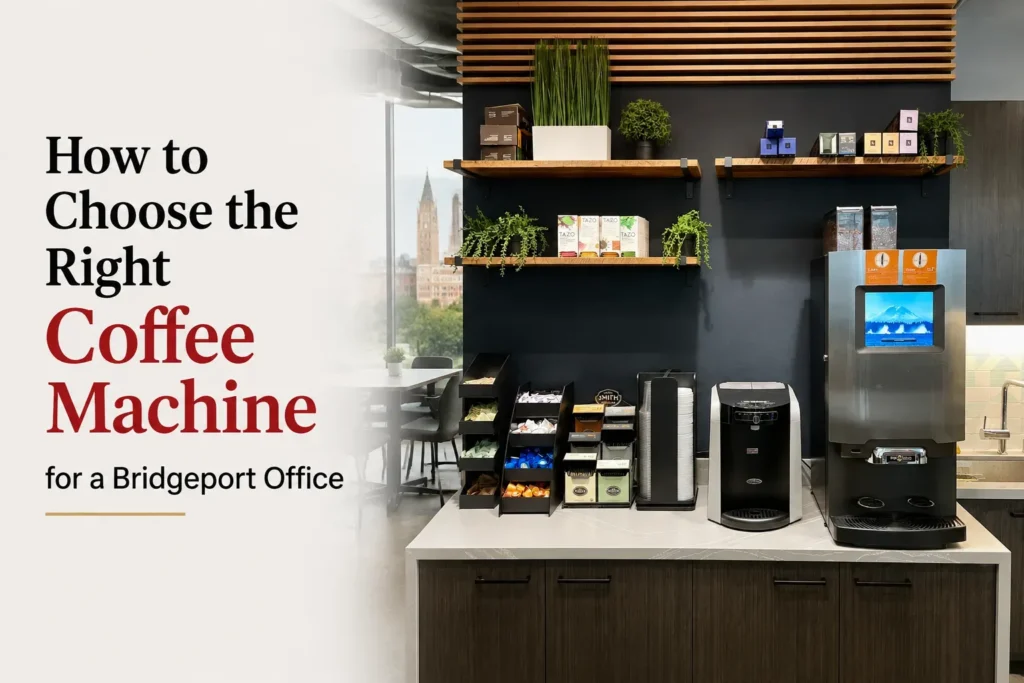
Bean-to-cup systems grind whole beans and prepare coffee on demand. They may suit workplaces where employees value freshly prepared individual drinks. Available beverages and customization features depend on the equipment, so review the actual menu rather than assuming every system produces the same drinks.
Discuss cleaning requirements, refill tasks, and service access before choosing a unit. If a system includes milk-based beverages, understand the additional care required for its particular milk system. The daily routine should be practical for the people responsible for the station.
Single-Cup Systems for Individual Preferences
Single-cup equipment can suit teams that want individual choices and make drinks at different times. When reviewing a system, check which products it accepts, how the supplies will be stored, and how employees will identify their preferred options.
Consider the complete experience rather than just the brewing process. A cluttered collection of drink supplies can make an otherwise convenient system difficult to use. Organized storage and a focused selection help keep the station manageable.
Batch Brewing for Shared Demand
Batch brewing is worth considering when several people want coffee at approximately the same time. It can support group use without requiring every person to wait for a separate brewing cycle. Review the proposed serving arrangement and how staff will manage preparation around expected demand.
Batch size should reflect actual use. Preparing more coffee than employees need can create unnecessary waste, while preparing too little can leave the station empty at busy times. Clear brewing routines help balance availability with practical consumption.
Design an Office Coffee Bar Around Ease of Use
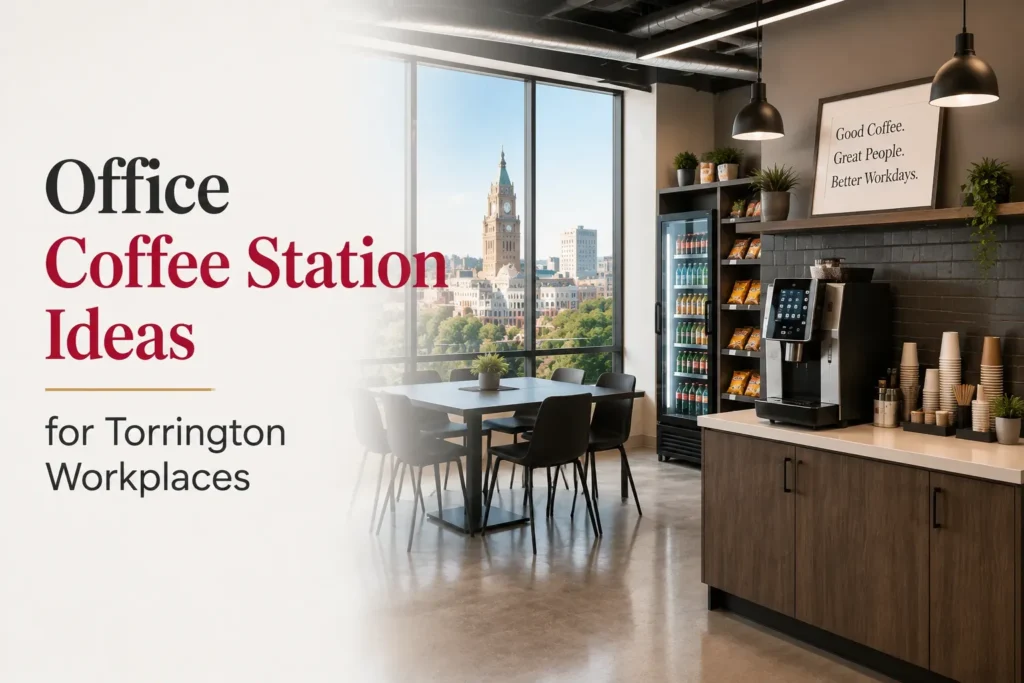
An office coffee bar should make preparation intuitive. Employees need a place to collect a cup, choose a beverage, add their preferred ingredients, and move away from the brewing area. A well-arranged counter can make a modest setup feel more considered than an elaborate station with awkward access.
Before choosing finishes or accessories, review the usable counter space and equipment requirements. Allow room for operation, cleaning, refilling, and service access. Also consider nearby walkways so people preparing drinks do not block colleagues passing through the room.
Give Supplies a Clear Place
Group supplies according to how people use them. Cups should be easy to find, drink options should be identifiable, and additions should have an organized preparation area. Keep waste disposal convenient so used packaging does not accumulate beside the machine.
Matching containers or simple labels can improve presentation, but make sure product information remains accessible. Avoid transferring products into unlabeled storage that makes ingredients, preparation instructions, or other important details difficult to check.
Choose Materials That Are Practical to Maintain
An attractive counter needs to hold up to spills, frequent use, and routine cleaning. Consider how surfaces, storage units, and accessories will be maintained rather than choosing them only for appearance. Equipment instructions should guide the space and access required around the brewer.
If seating is included, place it where conversations can happen without interrupting drink preparation. This gives employees room to pause while keeping the coffee station accessible to others.
Create a Corporate Coffee Experience That Welcomes Visitors
In a workplace that hosts clients, interviews, or team gatherings, coffee is also part of hospitality. The person welcoming a guest should be able to offer a drink confidently without searching through cupboards or asking colleagues how the machine works.
Plan a simple process for serving visitors. Decide where drinks will be prepared, which options will be offered, and whether meeting rooms need a separate setup. Keep the guest experience consistent with what the workplace can reliably provide.
Presentation matters here, but usefulness matters just as much. Appropriate cups, clean serving items, and an organized station make the interaction easier. A short, dependable drink selection can support a polished corporate coffee experience without making hospitality complicated.
Make Daily Service Part of the Premium Experience
Among luxury office amenities, a coffee station is something employees may use repeatedly throughout the day. Frequent use makes small problems more noticeable. An empty supply container, an untidy drip area, or unclear instructions can quickly affect how the setup feels.
Before launching the program, clarify which responsibilities belong to the provider and which remain with the workplace. Ask about equipment support, supply arrangements, routine care, and how employees should report problems. These details should be understood before the station becomes part of everyone’s daily routine.
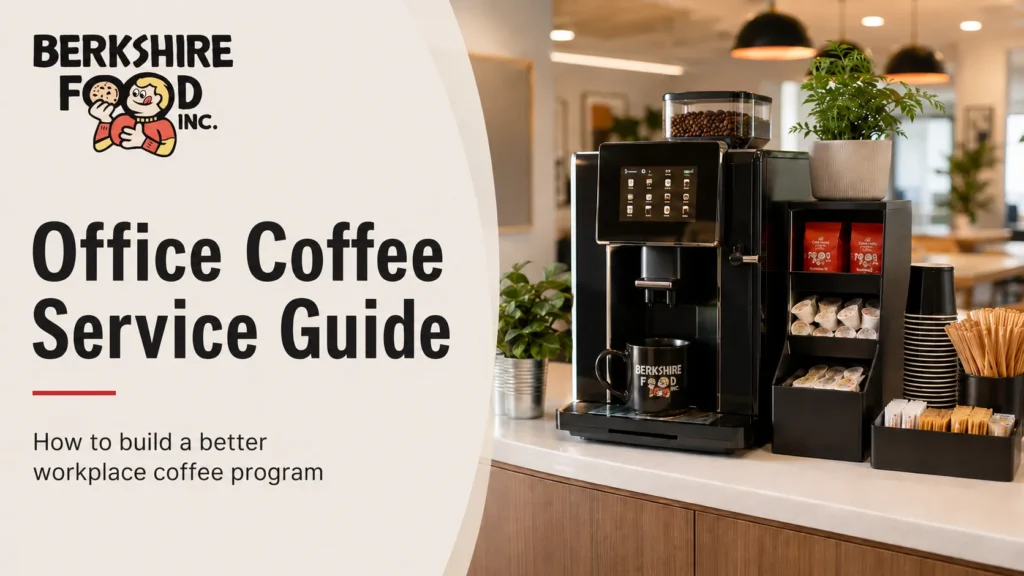
Berkshire Food’s office coffee service guide provides a broader overview of planning a managed program, including equipment, supplies, and service considerations. Use that information to define the support your preferred coffee experience will require.
Useful questions for the service discussion include:
- Which cleaning and refill tasks must workplace staff handle?
- How are coffee and related supplies replenished?
- What happens if a selected product is unavailable?
- How should equipment issues be reported?
- What support arrangements apply to the proposed machine?
- Can the selection be reviewed as employee preferences change?
Confirm the details of the proposed arrangement rather than assuming every service package includes the same support.
Set a Budget for the Complete Coffee Program
Equipment is only one part of the budget. Coffee, cups, milk or creamers, other supplies, and any applicable service charges contribute to the ongoing cost. Compare proposals using similar assumptions about attendance and consumption so the differences are meaningful.
Ask which charges are fixed and which depend on usage. Also consider the work employees will need to handle internally, such as checking supplies or completing routine cleaning. A program should fit both the financial budget and the time available to maintain it.
Start by funding the improvements employees will notice most. If the current coffee is unpopular, product selection may deserve attention first. If the coffee is already well liked but the station is frequently empty, supply management may be the more useful investment.
Review the Experience After Employees Start Using It
Review a new coffee program once the team has had time to use it during normal working days. Ask whether the coffee tastes right, the choices are useful, and the equipment handles busy periods comfortably. Check whether staff understand the daily care tasks and have the supplies needed to complete them.
Keep the review focused on practical adjustments. You may need to simplify the menu, change a product, move supplies, or revisit replenishment quantities. These changes can improve the experience without requiring a different machine or a redesigned room.
Plan Premium Office Coffee for Your Greenwich Workplace
Creating a premium experience begins with understanding how your team enjoys coffee and what the workplace can maintain reliably. Choose appealing products, match the equipment to demand, and arrange the coffee area so it is comfortable to use. Clear service responsibilities help keep those improvements working over time.
Businesses exploring office coffee and workplace refreshment services in Greenwich, CT can discuss their preferred drinks, available space, and daily routines with Berkshire Food. Share what is missing from your existing setup and which improvements matter most to your employees and visitors.
Contact Berkshire Food to discuss a premium office coffee program that fits your Greenwich workplace.
Frequently Asked Questions
A premium program combines coffee employees enjoy with suitable brewing equipment, an organized station, and consistent daily care. Product quality matters, but so do supply availability, cleanliness, and ease of use. The experience should remain dependable throughout the workday rather than relying only on an impressive machine.
No. Bean-to-cup equipment is one option, but a suitable single-cup or batch brewing system can also support an enjoyable coffee program. Choose equipment according to employee preferences, peak demand, available space, and maintenance requirements. The proposed system should work well for the drinks your team wants.
Ask employees about their preferences and arrange a small tasting if samples are available. Compare a focused selection using the intended brewing format, and gather feedback about flavor and strength. Confirm pricing and ongoing availability before choosing an everyday coffee or adding further options.
Start with appropriate brewing equipment, clearly organized coffee supplies, cups, and the additions employees use. Consider waste disposal, storage, cleaning access, and any refrigeration required by the selected products. Seating and decorative features can be added where space allows, but the preparation area should remain easy to use.
It can be, provided the product format, equipment, and supply quantities suit the workplace’s usage. A small team may prefer a focused selection rather than a large menu. Discuss how much coffee will be used and what daily care is practical before choosing the program.
These are worthwhile options to discuss when planning the selection. Availability and equipment compatibility depend on the proposed program, while storage requirements vary by product. Ask employees what they would use and keep product information accessible so they can make informed choices.
The cost depends on equipment, products, usage, supplies, and the applicable service arrangement. Request a proposal based on your workplace’s attendance, preferred drinks, and expected demand. Review ongoing charges and included support alongside any initial costs before comparing options.
Gather your approximate daily attendance, busiest coffee periods, employee preferences, and available counter space. Identify the main issue with your current setup, whether it is taste, variety, convenience, or service. Share those details with Berkshire Food to begin discussing a suitable office coffee program.